

























































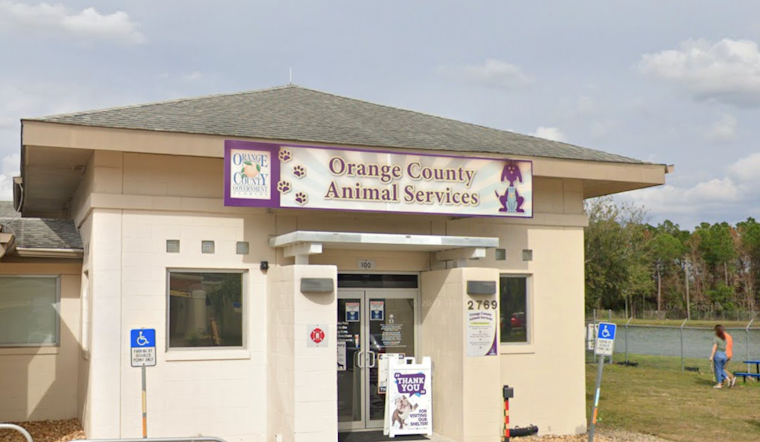
Orange County Animal Services saved 7,191 cats over the 12 months ending in September 2025, enough to rank No. 15 among 3,884 U.S. shelters and No. 4 among 135 Florida shelters, according to new shelter outcome data. That works out to roughly one cat walking out alive every hour and 13 minutes, and it puts the Orlando-area shelter far ahead of the national average shelter's cat-saving totals for the same period.
The figures come from an analysis by The Apopka Voice, which drew on data compiled by pet-hydration brand KittySpout using the Best Friends Animal Society's pet lifesaving dashboard. Per that report, Orange County Animal Services saved more cats than 99% of shelters nationwide and recorded 6,806 more lifesaving outcomes than the national shelter average, which stood at 385 cats saved over the same 12-month span — meaning the local shelter's total was nearly 19 times that average. A cat is counted as saved if it left a shelter alive through adoption, return to its owner, transfer to another organization, or release to a managed community-cat colony, and the study excluded shelters that do not accept cats.
Where Orange County Lands Among Bigger Shelters
Los Angeles Animal Services topped the national rankings with 18,883 cats saved, followed by Miami-Dade Animal Services at No. 2 with 16,953 cats, which also led all Florida shelters. Brandywine Valley SPCA in West Chester, Pennsylvania, saved 14,949 cats, while San Diego Humane Society saved 10,898 and ACCT Philly saved 10,732 in Philadelphia. Closer to home, Jacksonville Humane Society ranked No. 14 nationally with 7,450 cats saved, just ahead of Orange County Animal Services at No. 15, while Hillsborough County Pet Resource Center ranked No. 11 with 7,610 cats saved.
Other shelters in the same general range included the City of San Antonio Animal Care Services, which saved 7,519 cats, and Chicago Animal Care and Control, which saved 7,456. Humane Colorado in Denver saved 9,777 cats, Riverside County Department of Animal Services in Jurupa Valley, California, saved 8,530, El Paso Animal Services saved 10,481, Wisconsin Humane Society in Milwaukee saved 10,716, and The Animal Foundation in Las Vegas saved 9,018. The study's figures were not adjusted for shelter intake, population served, or the geographic origins of the animals, meaning the rankings measure the total number of cats saved rather than any shelter's save rate.
Why Raw Totals Don't Tell the Whole Story
The ranking rewards sheer volume, and that matters for a county-run shelter with an obligation most private rescues don't share. Orange County Animal Services is Orange County's only open-admission municipal facility, according to Orange County Animal Services, legally required to accept every stray or surrendered animal regardless of its medical or behavioral condition. That open-door policy is a major reason its raw save numbers are so high — the shelter can't cap intake when kennels fill up, even during Florida's near year-round kitten breeding season.
Despite that volume, the shelter posted an 88% live release rate for cats and 91% for dogs in fiscal year 2025. Best Friends Animal Society defines “no-kill” status as sustaining a 90% live release rate, since an estimated 10% of shelter animals suffer from irreparable medical illness or pose severe public safety risks that prevent safe placement. National data released by the organization in March showed shelter cat euthanasia has fallen by nearly 75% over the past decade nationwide, even though roughly 200,000 cats are still euthanized annually in U.S. shelters. A separate April report from Best Friends found more than 80% of reporting U.S. shelters maintained a live release rate of 80% or higher, with more than two-thirds reaching full no-kill status, alongside an 8% drop in U.S. shelter animal deaths compared to 2024.
Programs Working Behind the Numbers
Two local programs help explain how Orange County keeps vulnerable cats out of crowded kennels in the first place. The county's Wait 'Til 8 program, run with nonprofit Kindness for Cats, Inc., equips residents with supplies and guidance to foster orphaned neonate kittens at home until they reach eight weeks old, when they can safely return for spay/neuter surgery and adoption. The county also funds a Trap-Neuter-Vaccinate-Return program that lets residents have up to five community cats per household sterilized, vaccinated and returned to their outdoor locations free of charge, with requests initiated through county 3-1-1 services, per Kindness for Cats Inc.
Orange County also tightened commercial pet-sale rules this year. New animal welfare regulations that took effect in February require all puppies and kittens sold locally to be at least eight weeks old and accompanied by a veterinary inspection certificate issued within the prior 30 days, with violations carrying civil citations starting at $110. The update is meant to curb illegal breeding and the sale of underage animals that are more likely to end up sick or abandoned.
A Bigger Shelter Is On the Way
The county is also investing in physical capacity. The Board of County Commissioners approved a $49 million construction contract last September for a new 123,419-square-foot OCAS facility that broke ground in April, Hoodline previously reported. The two-story, air-conditioned building will become Florida's largest animal shelter when it opens in summer 2027, with dedicated space for 200 cats and 265 dogs — a major upgrade from the current facility, which dates to 1987 and has faced ongoing HVAC and space limitations.
Nationally, cats made up roughly 48% of the estimated 4.7 million dogs and cats admitted to U.S. shelters in preliminary 2025 data, with dogs accounting for the remaining 52%. Best Friends Animal Society has pointed to a 70% expansion in community cat return programs, growing foster networks, and a 20% increase in feline adoptions led by Gen Z adopters as key drivers of the national decline in shelter cat deaths — trends that mirror the local programs Orange County has leaned on to manage its own cat population without relying solely on adoption counters.


