

























































A proposed Osage Nation law would add the tribe’s Congress to the consultation process for hyperscale data centers on tribal territory, as Google-backed Project Spring awaits a decision on mineral-estate leasing. Congresswoman Angela Pratt introduced ONCA 26-70; the Natural Resources Committee postponed consideration until a future meeting, KOSU reported.
The reported requirement is to consult the legislature before an Osage governmental entity approves a hyperscale data center. That is not, by itself, the same as requiring Congress’s approval or giving it a veto. The available account does not establish the bill’s precise legal effect or how consultation would work in practice.
Two governing roles at issue
The distinction matters because the Osage Nation Constitution assigns the Minerals Council authority to consider and approve leases and propose development of the Osage Mineral Estate. The proposed law would place Congress in a consultation role, while the Minerals Council’s lease authority remains central to the project, according to the Osage Nation Constitution and KOSU’s reporting.
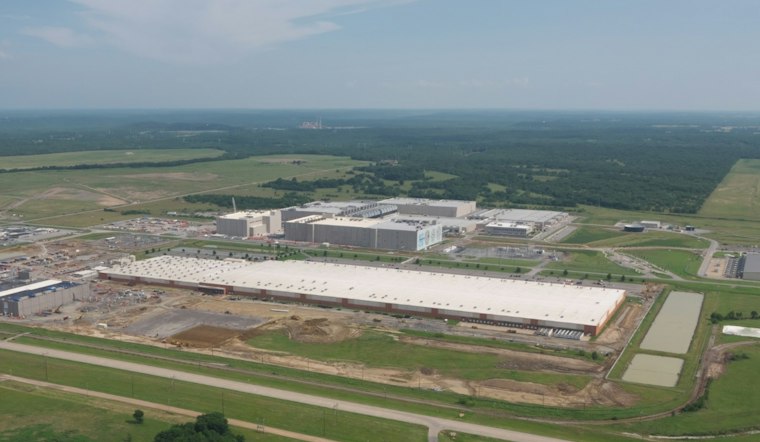
Project Spring is a proposed 827-acre data center site in Sand Springs, developed by White Rose Partners with Google backing. The Sand Springs City Council approved the project in February 2026, but it still needs leasing permissions from the Minerals Council for work affecting the tribe’s subsurface estate, according to This Is Server Country and KOSU.
Committee discussion exposed competing views of that division of authority. Pratt argued that the effects of a hyperscale facility concern the Nation as a whole; Nathan Tinker Hauth raised concern that Congress would intrude on the Minerals Council’s role, while Congressman Billy Keene argued the legislature has constitutional authority to make laws governing the council. The committee postponed the measure, KOSU reported.
A broader infrastructure question
The debate sits within a wider national discussion of data centers’ electricity needs, but national figures do not establish Project Spring’s expected demand. Data centers used about 4.4% of U.S. electricity in 2023, and are projected to use approximately 6.7% to 12% by 2028, according to the U.S. Department of Energy’s summary of a Lawrence Berkeley National Laboratory report.
Project Spring also faces separate local legal challenges: Land Legacy’s lawsuit alleges the property’s annexation conflicts with a conservation easement, while Protect Sand Springs Alliance has challenged the city’s annexation process. Those cases concern local land-use questions, not the Osage legislature’s proposed consultation requirement, according to the Tulsa Flyer and 96.5 KRMG.
ONCA 26-70 therefore raises a distinct question from the city’s approval and the pending lease discussions: what role should the Osage legislature have before a tribal governmental entity approves a hyperscale data center? The bill’s next committee consideration will determine whether that proposal advances; its final wording and legal effect remain unsettled.





