

























































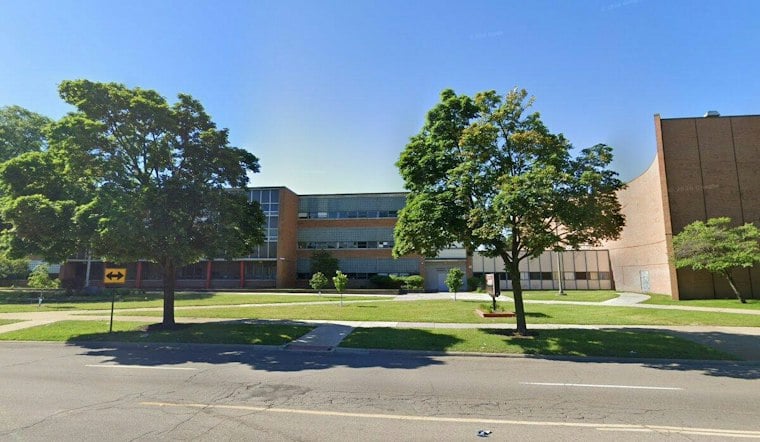
A two-day volunteer project has turned a neglected courtyard at Detroit’s Osborn High School into a landscaped outdoor space with native and sensory gardens, a restored pond and a school-pride mural. The effort, funded by Ford Philanthropy, also cleared a long-unused greenhouse on campus, according to WXYZ Channel 7.
The project is intended to give students a place for relaxation, school activities and environmental learning. Friends of the Rouge contributed sustainability expertise, while the Ro Cares Foundation helped organize and build the improvements, WXYZ reported. Osborn biology teacher Annika Nilsson said the courtyard could support outdoor lessons, including work connected to conservation.
School leaders have also connected the investment to a persistent attendance challenge. Principal Jamita Lewis told WXYZ that absenteeism remains an issue at Osborn and suggested that showing students they are valued could encourage them to attend. That is a stated hope, not evidence that the renovation has changed attendance: the project is new, and no outcome data tying the courtyard to attendance or academic performance were provided.
A new project in a longer record of investment
The courtyard work follows an earlier, differently scoped improvement effort. In 2015, Life Remodeled planned upgrades at Osborn focused on the library, main office, cafeteria, gym and roof while also targeting nearly 400 blocks of the surrounding east-side Detroit neighborhood, according to WDET.
The comparison shows that the current project is part of a continuing pattern of outside and community-backed attention to the campus, but the two efforts had different purposes. The 2015 plan centered on major school facilities and neighborhood improvements; the new work centers on a courtyard, greenhouse and outdoor learning environment.
Attendance remains a broader Michigan problem
Osborn’s attendance concern also fits a statewide problem rather than a condition unique to one campus. The Michigan Department of Education reported that the statewide attendance rate rose for a third consecutive year to 91.3% in 2024-25, while nearly 28% of Michigan students were still chronically absent. The statewide figures provide context, but they do not establish how Osborn compares with Michigan overall or whether this courtyard will affect its students.
For now, the clearest documented result is physical: a neglected part of the Osborn campus has been rebuilt for student use. Whether that visible investment produces higher attendance, stronger engagement or improved academic outcomes remains unresolved and would require follow-up data from the school or district.





