

























































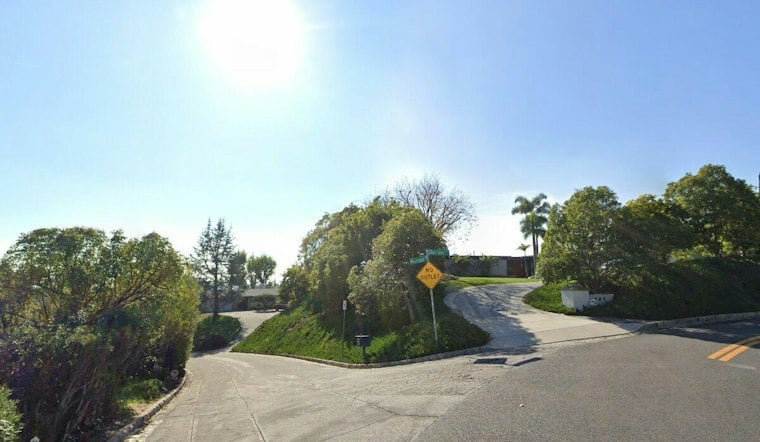
Pasadena’s roadside blood-transfusion program was put to its first reported field test when a 54-year-old man was struck and dragged by a vehicle near Glen Oaks Boulevard and Mooresque Drive. CBS News reported that police had applied a tourniquet before paramedics arrived, and that paramedics began transfusing blood. The patient’s eventual outcome is not established in the account.
The incident came about a month after the program’s August 20 launch. Pasadena Now reported that the City Council authorized a contract with Houchin Community Blood Bank on September 21. The contract has a 12-month term, with options to extend up to 36 months, and a not-to-exceed amount of $300,000. A Fire Department staff report estimated overall program costs at about $100,000 a year; the contract ceiling is not evidence that the city spent that amount. Pasadena Now reported the contract terms and estimate.
The program’s supply and the incident account
Huntington Health says Pasadena’s program carries low-titer O-positive whole blood on two Battalion Chief vehicles, in temperature-monitored coolers. CBS’s account of the September rescue described an O-negative unit. Those descriptions differ: the program’s standard supply does not establish which blood type was administered in this case. Huntington Health describes the program supply, while CBS News reported the incident details.
The program is designed to start resuscitation before a patient reaches hospital care. Pasadena Fire Chief Chad Augustin told CBS News that people with major wounds can lose much of their blood volume quickly, and that trauma centers typically take 10 to 16 minutes to begin transfusions after arrival. The roadside transfusion was intended to bridge that interval, not replace hospital treatment. CBS News reported those explanations.
A related county effort, with local limits
Pasadena’s rollout expanded LA-DROP, a Los Angeles County initiative. The County of Los Angeles said its pilot began April 1, 2025, in Gardena, Hawthorne and Lawndale, as well as the unincorporated communities of Del Aire and El Camino Village. That earlier launch provides a local comparison: the county pilot began in a different initial footprint from Pasadena’s September incident. The County of Los Angeles announced the pilot locations.
The regulatory framework is local rather than a blanket authorization for California paramedics. A March 20, 2025, Los Angeles County EMS Agency memo says the California EMS Authority approved prehospital blood transfusion as a local optional scope of practice for LA County; the memo does not establish general statewide authorization or document Pasadena-specific approval. The county memo describes that approval.
Altadena Now reported that Pasadena Fire set up an exchange with Huntington Hospital Pharmacy, trading aging medications for medication stock with a longer shelf life. It reported separately that unused blood was transferred to Huntington Health. These steps address practical inventory needs: extending medication shelf life and managing unused blood. Altadena Now reported on the exchange.


