

























































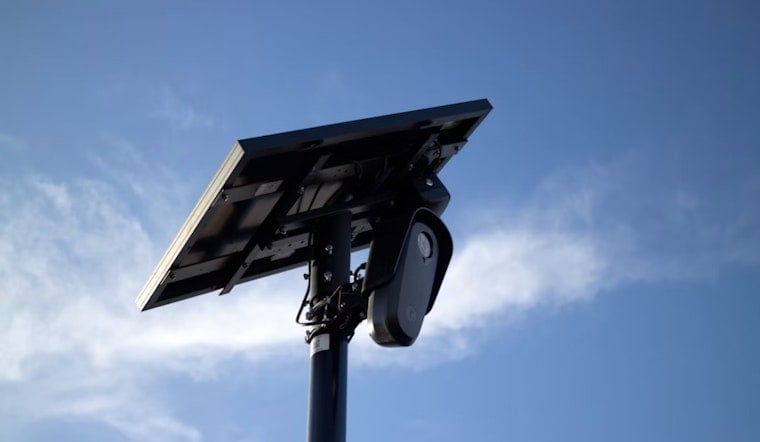
Pierce Township trustees have voted unanimously to end the Clermont County community's contract with Flock Safety a month early, tearing down 10 license-plate reading cameras that cost the township $30,000 a year. The vote makes Pierce Township the eighth Tri-State community in recent months to sever ties with the surveillance company, following a wave of cancellations that has swept through Greater Cincinnati and Northern Kentucky since summer.
Police Chief Paul Broxterman, who defended the technology even as he asked trustees to end the contract early, said Flock had helped investigators in the past, according to WKRC. The township had used Flock Safety since 2024, after initially leasing two cameras for $6,000 a year before expanding to 10 cameras through a police department grant, according to Pierce Township Board of Trustees records. The station's report notes the township's Flock cameras were vandalized twice before trustees moved to cut the cord.
A Regional Pattern Takes Hold
Pierce Township is not an outlier — it is the latest domino in a chain that includes Newport, Taylor Mill, Fort Mitchell, Erlanger, Independence, Oxford and Fort Thomas, all of which have halted or put their Flock camera programs on hold, per the same account from WKRC. Fort Thomas Mayor Andy Ellison announced on August 28 that the city was cutting its access to the Flock platform immediately and ordering an audit of past usage, citing declining network benefits as neighboring cities dropped the technology, according to WVXU.
Oxford's city council had already made a bigger break weeks earlier, voting 6-1 on August 18 to terminate its 14-camera Flock contract entirely, becoming the first Ohio municipality to fully abolish its program. Residents there objected after learning their data could be shared across more than 2,200 outside law enforcement agencies, WVXU reported. Newport had set an earlier template in July, ending its Flock pilot and declining a proposed two-year contract after a packed town hall on July 8 where residents voiced strong opposition to automated surveillance, according to LINK nky.
Officials Debate What Comes Next
Kenton County Commissioner Darrin Wilson said he expects controversy over Flock technology to continue, telling WKRC that the issue has resonated with residents across the political spectrum. Wilson said local governments should proactively and transparently discuss privacy and AI concerns with residents rather than waiting for backlash to force the conversation. Kenton County itself has put its own decision on whether to use Flock cameras on hold, the outlet reported.
Not every local government is backing away. Lebanon installed 20 Flock cameras in 2024, and while the city has not cut ties, its mayor sent a letter to Flock this week requesting tighter policies and procedures and asking questions about the company's privacy settings and protocols, according to WKRC. Lebanon's mayor said privacy concerns were a key factor behind the letter, per the outlet, without abandoning the cameras outright. Cincinnati police, meanwhile, were wrapping up a test of four vendors — including Flock — as part of a request for proposal process, with no timetable yet set for whether the department will adopt license-plate cameras of its own.
State Rules Diverge Across the River
The Tri-State's split reflects a broader legal divide between Ohio and Kentucky. Kentucky enacted House Bill 58, effective July 15, which requires law enforcement agencies statewide to adopt written ALPR policies, maintain 90-day audit schedules, and visually confirm plate hits before initiating traffic stops, according to LEX18. Ohio has no such statewide limits on how long police can retain ALPR data or requirements that systems be audited; state budget legislation effective September 30, 2025 even exempted law enforcement ALPR databases from public records disclosure, according to the Ohio Legislative Service Commission. That leaves Ohio township boards like Pierce Township's as the sole decision-makers on whether to keep or cut their surveillance contracts.
An August public-records analysis by LINK nky found 103 Flock devices approved for operation across 19 law enforcement agencies in Northern Kentucky's Boone, Kenton and Campbell counties before the recent cancellation wave began. Nationally, at least 149 cities, counties and local government entities have canceled, deactivated or rejected Flock programs as of August 28, according to Newsweek. The ACLU reported in August that Flock's network spans more than 120,000 cameras nationwide, even though fewer than 1% of scanned plates are tied to any criminal activity, a statistic privacy advocates cite when arguing the system amounts to warrantless mass tracking.
Flock Safety has said overall demand for its cameras and technology remains up despite the cancellations, and has argued the technology is likely here to stay, WKRC reported. The company also announced platform-wide changes on August 13, including shortening its recommended default data retention period from 30 days to seven and introducing an “Evidence Mode” to freeze data tied to active case numbers, according to OFFICER Magazine. Flock representatives did not respond in time for WKRC's story on the Pierce Township vote.





