

























































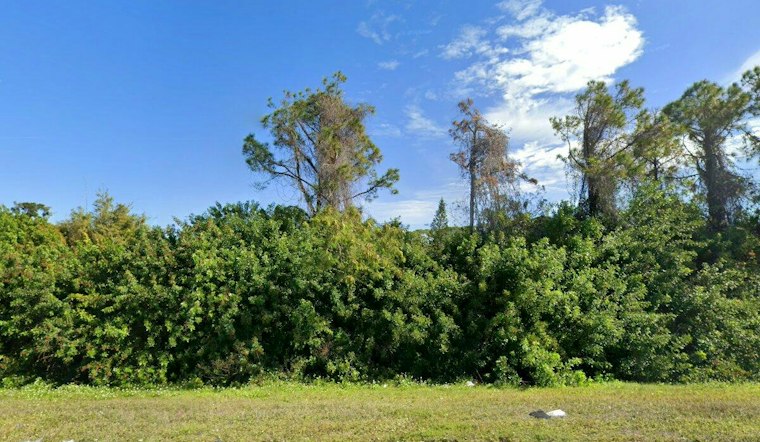
Pinellas County officials are nearing a deal to buy and preserve nearly 30 acres of environmentally significant land along Boca Ciega Bay, land that includes an island and coastline that a developer once eyed for condos. The property, tucked west of Bay Pines off Duhme Road, is bordered on two sides by condominiums and waterfront homes, and it could go before county commissioners for a vote as soon as October.
The proposed Duhme Road Reserve consists of three adjoining parcels totaling more than 29 acres of waterfront and aquatic habitat, according to WK Preservation Group, the nonprofit that helped broker the potential acquisition. Two of those parcels, totaling 28.53 acres, are owned by Skycrest Properties LLC, while a smaller, adjacent 0.61-acre parcel on Duhme Road near Cherokee Drive belongs to CKC Properties II LLC, per the nonprofit's press materials. As Axios reports in a story by Kathryn Varn, a developer has owned the island and coastal property since 2007 and once planned to build condos there, while the owner of the third parcel previously planned a commercial development.
The land itself is largely pristine, packed with mangroves, coastal uplands and submerged land, along with an extra-salty marsh that's home to snook, trout and fiddler crabs, according to Axios. The island at the heart of the property even carries an unofficial nickname on Google Maps: Roasted Turkey Island, the outlet notes.
How the Deal Came Together
WK Preservation Group has memoranda of understanding with the property owners for preservation purposes, though the county acquisition has not yet been finalized, the group says. Per Axios, the two property owners signed agreements with the nonprofit indicating an intent to sell the land for conservation. Tex Carter, president of WK Preservation Group, told Axios the eventual purchase price will be quite a bit less than appraisals, which valued the property at about $3 million.
The nonprofit's role isn't new to this kind of deal. WK Preservation Group created a 14-acre nature preserve in Pinellas County in 2025 after completing a $1.5 million fundraising drive, according to Axios. That project, the West Klosterman Preserve, is a native wildlife-laden property south of Tarpon Springs, and Pinellas County finalized its purchase in April 2025, land intended to be added to Mariner's Point.
Funding and the Path to a Vote
Pinellas County plans to fund the full purchase price using revenue from Penny for Pinellas, the county's 1-cent sales tax dedicated to infrastructure projects, according to Axios. The tax has $7 million available for environmental land purchases. As Penny for Pinellas explains, the tax pays for most of the county's long-term capital projects and can attract matching funds from state and federal governments, with proceeds shared between the county and its 24 cities based on population.
Pinellas County parks officials said they remained in the due diligence process and declined to comment on the purchase price, Axios reports. Any potential sale requires County Commission approval, and county staffers plan to present the contracts sometime in fall 2026 — with the county's real estate legal team expected to draft purchase documents ahead of a goal of bringing agreements to commissioners for consideration in the fourth quarter of 2026, according to WK Preservation Group.
What Comes Next for the Reserve
If the acquisition goes through, future plans will include restoring portions of the property along with passive use and access, WK Preservation Group says, though specific restoration plans and timing have not yet been finalized. Officials have discussed adding a kayak launch and a boardwalk or walking trail, according to Axios, though no such plans have been finalized. The nonprofit says it will prioritize removing invasive species, including Brazilian pepper plants, if the sale goes through.
WK Preservation Group plans to hold a town hall at the Seminole Recreation Center to present project details and answer resident questions. The group describes the broader goal as bringing private property into public ownership and creating opportunities for future public access to what it calls a unique waterfront area.




