

























































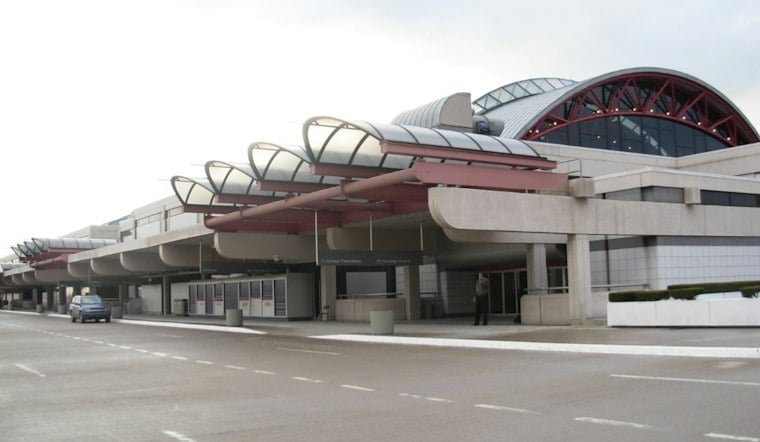
Pittsburgh International Airport has become the first airport in the United States to win the Air Transport World Airport of the Year award twice, a repeat honor tied directly to the airport's new $1.7 billion terminal and its shift away from its old role as a US Airways hub. The airport first won the award in 2017, and its second win underscores the significance of the honor.
According to CBS Pittsburgh, the new terminal helped propel Pittsburgh International to receive the award, with Air Transport World recognizing Pittsburgh International for its customer experience, cutting-edge technology, and sustainability efforts. The Airline Industry Achievement Awards are considered, per the publication, among the most desired awards in the air transportation industry, honoring excellence throughout airport operations worldwide. ATW editor-in-chief Karen Walker said Pittsburgh's “innovative and dynamic leadership team has transformed the airport so that it stands apart in customer experience, technology and sustainability,” per the same report.
Pittsburgh International Airport CEO Christina Cassotis said being named ATW Airport of the Year for a second time recognizes the work happening at the airport, which focuses on creating infrastructure, an operating environment, and a passenger experience that allow airlines to grow their networks — with the goal of connecting Pittsburgh to more destinations around the world, the station's report notes.
A Repeat Winner Among Global Giants
By securing its second Airport of the Year honor, Pittsburgh International joins Hong Kong International Airport as a two-time winner, according to Blue Sky PIT. The 52nd ATW Airline Industry Achievement Awards will be formally presented to Pittsburgh and other honorees at a gala dinner in Milan, Italy, on December 10, held alongside the CAPA World Airline Leader Summit, as reported by Aviation Week.
The recognition caps a multi-year rebuilding effort following the loss of the airport's US Airways hub status. The $1.7 billion terminal project replaced a 33-year-old facility built for that former hub, re-architecting operations to serve origin-and-destination passengers across 15 airlines and handle up to 15 million annual travelers, per World Aviation Festival.
Built Without Local Tax Dollars
The terminal modernization was constructed without local or state taxpayer dollars, according to Buro Happold. The project generated an estimated 14,000 regional jobs and $2.5 billion in economic activity, the firm reports. Still, open questions remain about whether airlines will eventually pass along terminal construction cost adjustments to passengers through higher ticket prices over time.
Designed by Gensler and HDR in collaboration with luis vidal + architects, the terminal features 38 steel tree-like columns, an undulating roofline echoing the Allegheny Mountains, and a passenger tunnel referencing the Fort Pitt Tunnel, as detailed by WPXI. In June, France-based Prix Versailles, working with UNESCO, named Pittsburgh International one of seven “World's Most Beautiful Airports of 2026,” one of only two U.S. facilities honored alongside San Diego International Airport's Terminal 1, according to CBS News.
Faster Lines and a Grid-Independent Power Supply
Operational upgrades in the new terminal reduced international passenger curbside processing times by 67%, shortened baggage conveyor belts from eight miles to three miles to cut delivery times in half, and consolidated security into a single 12-lane TSA checkpoint, according to Airport Technology. Those changes appear to be resonating with travelers: Pittsburgh International's score in J.D. Power's North America Airport Satisfaction Study climbed to 672 out of 1,000 in September, up from 639 in 2025, ranking 8th among medium-sized airports continent-wide, per TribLIVE.
Energy independence has been a central piece of the airport's transformation for years. In July 2021, Pittsburgh International became the world's first major airport completely powered by an independent 23-megawatt microgrid using five natural gas generators and nearly 10,000 solar panels, according to Fly Pittsburgh. That system allows the airport to run disconnected from the public grid during regional blackouts while cutting operational costs.
The airport has also pursued solar projects.





