

























































Downtown Pittsburgh’s cultural landscape is being steered by Kendra Whitlock Ingram, who leads the Pittsburgh Cultural Trust as its president and CEO. She oversees an organization that owns two of the city’s most storied performance venues and is now pursuing a sweeping vision to reshape several acres of downtown into new civic and cultural space.
A New Leader With Milwaukee Roots
Ingram currently serves as president and CEO of the Pittsburgh Cultural Trust, according to trustarts.org. She was named to the role in November 2022, arriving in Pittsburgh after previously serving as president and CEO of Milwaukee’s Marcus Performing Arts Center, per wesanews.org.
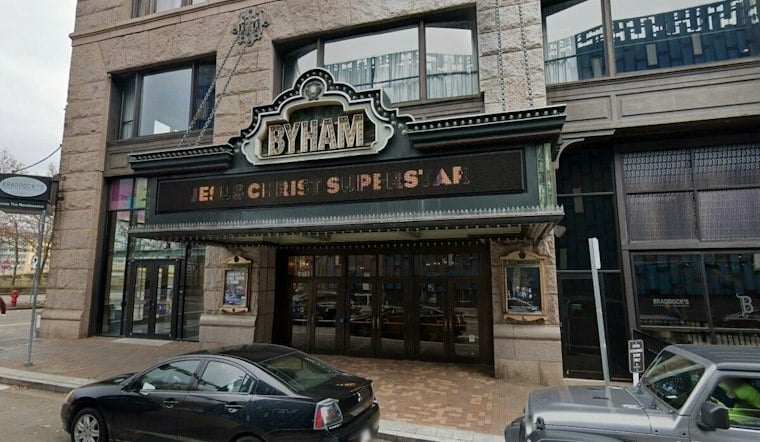
The Trust she now leads has deep roots in downtown Pittsburgh, having been founded in 1984 specifically to revitalize the area through the arts, the outlet reports. Today the organization owns two of the city’s marquee performance spaces, the Benedum Center and the Byham Theater, according to the same report.
Building Toward Arts Landing
Beyond its existing venues, Ingram has described a much larger project underway: Arts Landing, a plan to transform four and a half acres of downtown into civic space and a cultural campus, as she explained on the Capacity Interactive podcast. The project is envisioned to include performance spaces, a playground, pickleball courts, and rotating public art, according to the podcast.
Ingram has framed the effort as a collaborative one, saying she is building the future of downtown Pittsburgh with many different stakeholders, per the same podcast appearance. That collaborative approach echoes how the Trust has approached major cultural projects in the past.
The Legacy of Katz Plaza
One of the Trust’s signature public spaces, Agnes R. Katz Plaza, offers a template for that kind of partnership. The 23,000-square-foot public plaza is anchored by a 25-foot bronze fountain sculpture created by the late artist Louise Bourgeois, according to trustarts.org. The piece is notable as the largest public art commission Bourgeois ever completed, the Trust’s venue page notes.
Katz Plaza opened in 1999, timed to coincide with a major solo presentation of Bourgeois’s work at Wood Street Galleries, according to a separate trustarts.org project page. The plaza itself was the product of a collaboration between Bourgeois, landscape architect Daniel Urban Kiley, architect Michael Graves, who also designed the adjacent Theater Square, and the Pittsburgh Cultural Trust, the page states.
That history of blending art, architecture and public space now informs how the Trust is approaching its next chapter downtown. As Ingram continues to work with stakeholders on projects like Arts Landing, the organization she leads is betting that the same formula that built Katz Plaza a quarter-century ago can help define downtown Pittsburgh’s cultural identity for years to come.



