

























































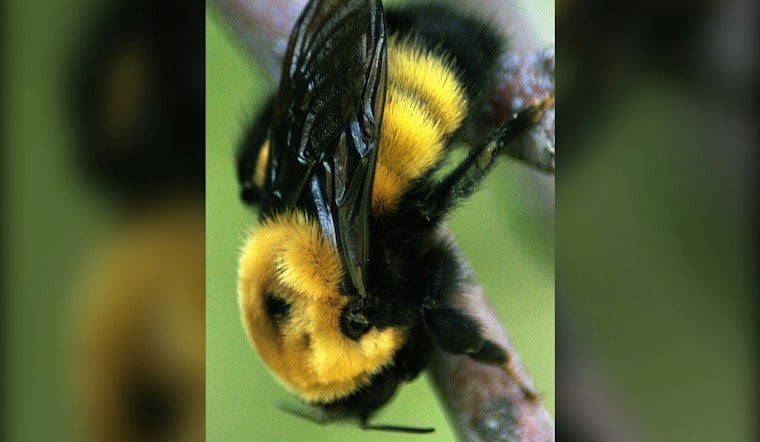
Colorado bees, moths, bats and other pollinators are getting new state-level protection after Governor Jared Polis signed an executive order Wednesday directing state agencies to shore up habitat on land they manage, from highway shoulders to prison grounds. The order comes as researchers have documented sharp local declines in insect populations, including a meadow outside Crested Butte that has lost 47 percent of its insect biomass since 1986.
Polis announced the order at a news conference at the Denver Zoo Conservation Alliance, framing pollinators as essential to the state's identity and economy. “Pollinators touch everything we love about Colorado,” Polis said, according to The Denver Post. The newspaper reported that pollinators are the “workhorses of healthy ecosystems” but face compounding threats from climate change, habitat loss and pesticides.
The order directs state agencies that manage land — including highway rights-of-way and Department of Corrections facilities — to find ways to protect and expand pollinator habitats, per the same report. It also requires those agencies to weave pollinator-conservation practices into pesticide-use licensing standards, establish pesticide-free buffer zones on state property, and factor pollinator health into state grantmaking where applicable.
Six Agencies Told to Coordinate a Statewide Strategy
According to the Colorado Governor's Office, the order directs state agencies that manage land to find ways to protect and expand pollinator habitats. The order also addresses pesticide use, while state agencies will provide technical assistance to local land managers.
State agencies will also provide technical assistance and pollinator-friendly pest-management resources to local producers, the Denver Post reported, giving farmers and ranchers better tools for protecting pollinators. Pollinators support about one of every three bites of Colorado food, and their loss would threaten signature Colorado Proud products including Palisade peaches, Pueblo chiles, and alfalfa and feed crops used across the state.
A Study Years in the Making
The executive order builds on a 2024 state report commissioned by the Colorado legislature, which found that habitat loss from agriculture and development represents the biggest threat to the state's pollinators, alongside climate change, the spread of non-native species and pesticide use. That report also concluded that reported figures likely underestimate the true scope of imperiled pollinator species in Colorado. Notably, the study found that certain grazing and forestry practices, often blamed for pollinator declines, can also serve as valuable conservation tools when managed well.
The scale of the challenge is stark: Colorado is home to 24 bumble bee species, and more than one-fifth of them are either under review by the U.S. Fish and Wildlife Service for endangered-species listing or have been petitioned for such review. Three Colorado butterfly species are already federally protected under the Endangered Species Act. Research cited during state legislative proceedings has found that the western bumble bee, once a widespread native pollinator across Colorado, has declined by 72 percent, according to CBS News.
Building on Years of Legislative Groundwork
Wednesday's order is the latest step in a multi-year push at the Colorado Capitol. In 2023, Polis signed Senate Bill 23-266, making Colorado the ninth U.S. state to restrict retail sales of neonicotinoid pesticides by designating them as limited-use chemicals no longer sold over the counter at general home and garden stores, as detailed by the Pagosa Daily Post. In 2024, lawmakers passed House Bill 24-1117, expanding the state's Nongame, Endangered, or Threatened Species Conservation Act to include invertebrates and giving Colorado Parks and Wildlife formal authority to study and conserve vulnerable insect pollinators.
A state measure requires state land-managing agencies to prioritize native, eco-regionally appropriate plants and train maintenance crews in pollinator-friendly landscaping. House Bill 26-1111 established a statewide pesticide disposal initiative to help agricultural producers and businesses safely discard unused pesticides and protect waterways and soil, according to the Colorado Governor's Office.
Agricultural Pushback Still Shapes the Debate
Not every proposed protection has made it into law. In February, the Colorado Senate Agriculture and Natural Resources Committee voted 2-5 to defeat Senate Bill 26-065, which would have required farmers to obtain third-party entomological approval before using neonicotinoid-treated crop seeds, after agricultural groups raised concerns about potential yield losses and operational costs, per Colorado Politics. That defeat echoed a similar fate for Senate Bill 22-199 back in 2022, which would have allowed local governments to regulate pesticide use but failed in its initial committee hearing after nine hours of testimony, according to the People and Pollinators Action Network.
The debate continues to weigh agricultural concerns about costs and operations. At the news conference, Polis also urged everyday residents to do their part. He encouraged Coloradans to plant native flowers and reduce unnecessary pesticide use, saying everyone has a role to play in protecting pollinators.



