

























































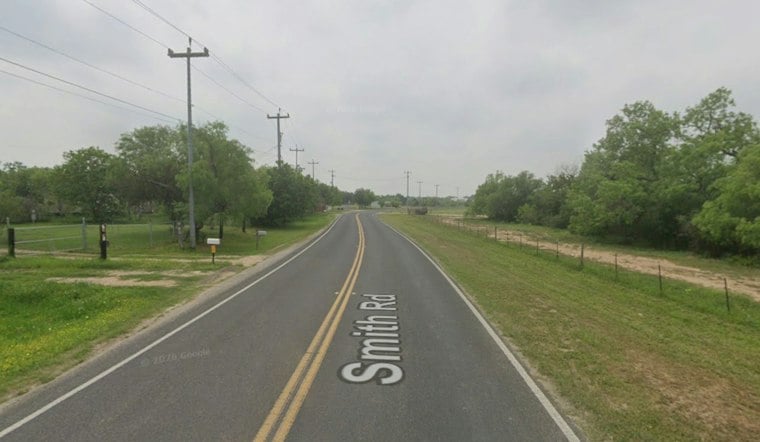
Two adults were rushed to the hospital Friday afternoon after a propane flash fire tore through a home in the 5500 block of Smith Road in southwest Bexar County, near Von Ormy. Emergency crews responded around 3:10 p.m. to what officials described as a fast-moving blast that left the structure largely intact despite the severity of the injuries inside.
According to KENS 5, a statement from the Bexar County Fire Marshal said preliminary reports pointed to a “flash fire type of explosion due to a propane tank and stove” that caused only minimal structural damage to the home. The address sits in an unincorporated pocket of southwest Bexar County, an area where WOAI reported the fire was sparked by a believed propane leak that ignited quickly and burned in a localized area before sending two adults to the hospital.
The incident reportedly occurred at a home where work was underway, though the fire marshal's account and other outlets have not specified whether the two hospitalized adults were homeowners, contractors, or otherwise connected to that work. The exact medical condition and identities of the victims have not been released, and it remains unclear what ignited the propane, or whether the fire marshal's ongoing investigation will point to improper line fitting, equipment failure, or uncertified work as an underlying cause.
Why Flash Fires Do This Kind of Damage
Propane's behavior helps explain how a home can suffer such disparate outcomes — severe injuries but modest structural harm. As Hoodline has previously reported, propane is heavier than air and tends to pool in low-lying areas or enclosed rooms rather than dissipating the way lighter natural gas does. When that pooled gas meets an ignition source, such as a stove burner, it can trigger a sudden flash fire or vapor-cloud explosion that consumes fuel rapidly and burns intensely for a short period, inflicting severe thermal injuries while leaving surrounding walls largely standing.
National data underscores how routine — and how rarely catastrophic — these leaks usually are. Citing National Fire Protection Association figures, workplace safety guidance from MEMIC notes that U.S. fire departments respond to an average of 125,000 residential fuel gas leaks annually without ignition, while gas ignitions trigger roughly 4,200 home structure fires each year nationwide. Friday's blast adds to that latter, smaller category.
Who Responds in Unincorporated Bexar County
The Smith Road address falls under the coverage area of Bexar County Emergency Services District No. 5, which provides fire suppression and emergency medical response across 131 square miles of unincorporated southwest Bexar County, including Von Ormy, Somerset, Lytle, and Atascosa, according to the City of Howe. Residents in these unincorporated pockets rely on the district rather than San Antonio's city fire department for emergency coverage.
Propane installation and servicing in Texas falls under state oversight. Under Title 16 of the Texas Administrative Code, the Railroad Commission of Texas enforces LP-Gas safety regulations covering the installation, storage, transportation, and servicing of propane systems. The commission also requires technicians who service, repair, or install residential LP-gas containers and appliances to pass state examinations and maintain annual licensing certification — a requirement relevant given reports that work was underway at the home.
Part of a Wider Pattern Across the Region
Friday's explosion follows a string of gas-related incidents across Central and South Texas this year. In April, News 4 San Antonio reported that five people were injured after natural gas leaks triggered two separate home explosions hours apart on San Antonio's North Side, prompting a federal investigation by the National Transportation Safety Board. That same month, KSAT 12 reported that emergency officials evacuated three homes in a South Bexar County neighborhood after a gas line was struck during local work, prompting crews to establish a wide exclusion perimeter.
In neighboring Gillespie County, fire investigators determined in May that a propane leak caused home explosions serious enough to ignite ammunition stored inside the residence, per KENS 5's earlier reporting. Together, these incidents illustrate how propane — a common fuel source for rural Texas homes located beyond municipal natural gas lines — continues to pose sudden, severe risks even when leaks go undetected for only a short time.
The Bexar County Fire Marshal's office has not released additional details on the cause beyond the preliminary flash fire determination. The investigation into Friday's explosion remains ongoing.





