

























































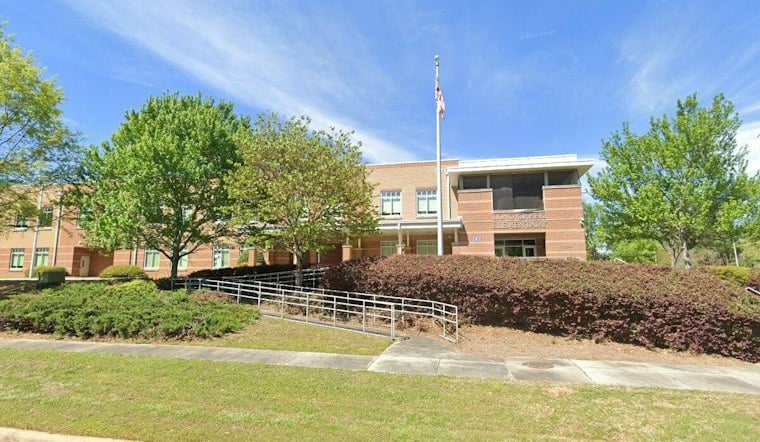
A 5-year-old nonverbal autistic student left Long Creek Elementary in Huntersville on Sept. 17 and was returned after a neighbor found him, according to WBTV. The incident has left the child’s mother seeking a clearer account of how he exited the Charlotte-Mecklenburg Schools campus and how long he was away.
The boy’s mother, Trinity Taylor, told WBTV that she had previously warned his teacher, office staff and principal that he was prone to eloping, or wandering away from supervision. WBTV reported that staff discovered he was missing during a recess lineup between 1:42 and 1:45 p.m.; Taylor said the principal called her shortly after 2 p.m. and told her a neighbor had brought the child back.
Several central facts remain unresolved. Taylor told the station that she was not given an explanation of how her son passed the campus boundary, how long he had been gone or how far he traveled. WBTV also reported that Charlotte-Mecklenburg Schools had not answered its questions when the story was published. Taylor said she did not plan to send her son back to Long Creek Elementary.
What policy context does—and does not—establish
North Carolina Department of Public Instruction policy defines supplementary aids and services as supports provided in regular classes, other education-related settings, and extracurricular and nonacademic settings to help students with disabilities participate with nondisabled students when appropriate. That language, published by the state education department, describes the settings in which support may be provided; by itself, it does not establish what elopement plan or campus-supervision procedure Long Creek staff used, if any.
That distinction matters in this case. The available account documents a warning from the family and a child’s disappearance during a transition, but it does not establish whether the warning was incorporated into an individualized plan, whether additional supervision had been assigned or whether a formal review followed. Those questions require records or a response from the district rather than inference from the incident alone.
A separate CMS safety failure offers limited comparison
In a different Charlotte-area case reported by WSOC-TV, a teenage student with autism from Harding University High School was reportedly given the wrong bus number and dropped off nearly 18 miles from home near Charlotte Douglas Airport in December; his sister later found him lying in the street. That incident involved transportation rather than a child leaving school grounds, so it cannot establish that the two events had the same cause or that supervision failures are becoming more common. It does, however, show why families and officials may seek precise timelines and accountability when a student with a disability is not where school personnel expect him to be.
For Long Creek, the immediate unanswered questions are narrower: when Sage was last seen, how he reached the edge of campus, who was responsible for monitoring the transition and what safeguards the district will put in place before he returns—or before another placement is considered. Publicly available information does not yet answer those questions.





