

























































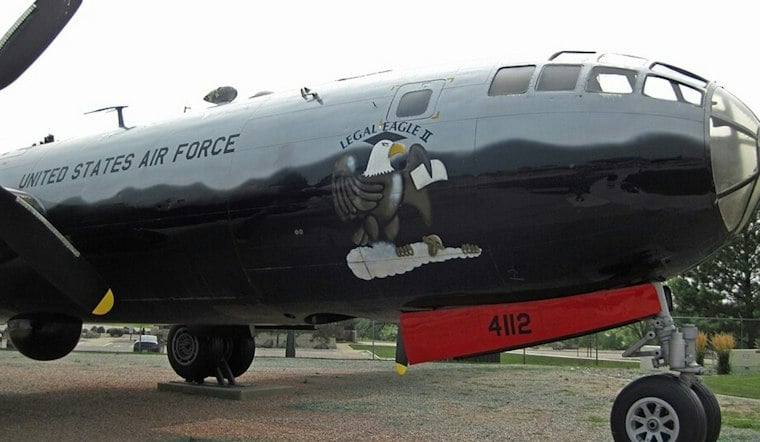
One of only two flying B-29 Superfortress bombers left in the world returned to Cleveland, drawing attention from those eager to see the massive World War II-era aircraft known as Doc. The Wichita-based warbird's Cleveland stop offered locals a rare, up-close look at a plane most will only ever see in history books.
According to Cleveland.com, which documented the visit in a photo gallery by Joshua Gunter, Doc's Friends is the nonprofit operator of the Wichita-based warbird.
Doc's presence in Cleveland carries a deeper local thread than a typical touring aircraft. Cleveland native and Air Force veteran Tony Mazzolini discovered the abandoned bomber in the Mojave Desert in 1987, and Doc was recovered in 1998.
From a Desert Bombing Range to the Skies Over Kansas
Doc had been retired by the U.S. Air Force in 1956 and left parked as a target at Naval Air Weapons Station China Lake, where it sat abandoned for decades before Mazzolini's discovery, according to a report highlighted by EAA AirVenture. Restoring the bomber to flying condition ultimately took more than 450,000 volunteer hours spread across 16 years, and Doc did not return to the skies until July 17, 2016, when it flew again. The aircraft's now-famous nickname dates back even further, to 1954, when it was assigned to a radar calibration squadron at Griffiss Air Force Base in New York and crews named their eight B-29s after the dwarfs from Disney's Snow White, according to Vintage Aviation News. Built in Wichita in 1944, the bomber carried military serial number 44-69972 and was delivered to the Army Air Forces in March 1945.
Doc is one of 1,644 B-29s that rolled off Boeing's Wichita assembly line during the war, and the nonprofit Doc's Friends now operates a permanent 42,000-square-foot visitor center for the plane at Eisenhower National Airport in Wichita, according to Visit Wichita. That facility includes maintenance space and public tours whenever the bomber is not on the road, and its flight experiences for the public typically run about 90 minutes total, including roughly 30 minutes in the air.
The Last of a Nearly Extinct Breed
Doc shares its rare status with just one other airworthy B-29 in existence. Together, the two aircraft represent the surviving airworthy B-29s.
The B-29 program itself was a staggering undertaking. Keeping a plane like Doc airborne today is no small feat either.
Burke Lakefront's Own Uncertain Future
The venue that hosted Doc's Cleveland stop has its own storyline unfolding. Burke Lakefront Airport, established in 1947 as the first downtown airport in the United States, sits on Lake Erie landfill, primarily serving general aviation, charter, and corporate flights. Studies released in September 2024 examined whether to close Burke as part of a 245-acre lakefront development project, according to FreshWater Cleveland. That debate over the airport's future — weighing its economic value against the appeal of open Lake Erie shoreline — continues even as the airfield welcomed one of the rarest aircraft in the world through its gates.
Those curious about the full story behind Doc's rescue can turn to Rescuing Doc for an account of Mazzolini's campaign.





