

























































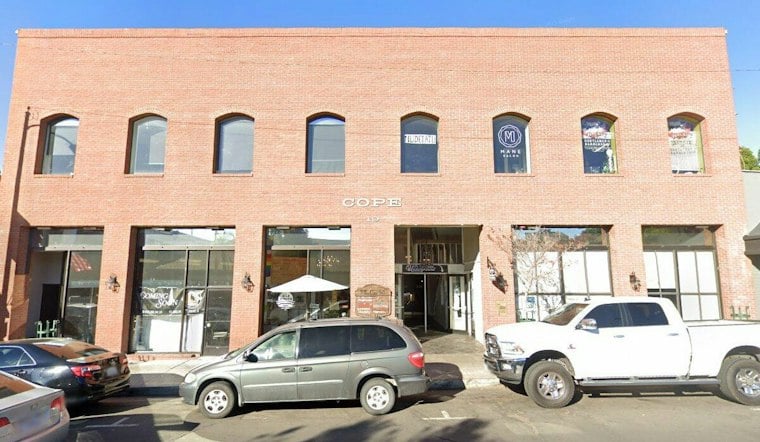
Redlands is considering banning neighborhood bars from selling alcohol after midnight, a move that would cut off service two hours earlier than what state law allows, but the proposal has stalled amid pushback from local business owners and remains without a scheduled vote.
The Redlands Police Department raised the alarm over alcohol sales between midnight and 2 a.m., pointing to what Deputy Chief of Operations Jeremy Floyd described as a rise in crime over the past three years, according to NBC Los Angeles. Floyd presented data showing police responded to more than 1,000 calls for service.
Police have attributed the increase in crime to late-night alcohol sales, and say the late-night calls consume most of the department's resources, leaving the force thinly staffed for other emergencies across the city, according to the NBC Los Angeles report. The same outlet noted that authorities have identified loitering, overserving by businesses, and violent crimes as core problems driving the proposal.
Police Cite Downtown Crime Concerns
Carl Baker said the past three years included 44 assault reports and 13 robberies, along with shootings and weapon violations, according to NBC Los Angeles.
One incident looms large in the police case for the ordinance. A hit-and-run outside a downtown bar left four people injured, and shots were fired.
Business Owners Push Back on a Citywide Rule
Not everyone agrees the clock is the problem. Baron Bowman, who owns Redlands Underground restaurant and bar in downtown Redlands, said street behavior — rather than activity inside the bars themselves — is the main issue, according to NBC Los Angeles. Bowman said his busiest customers tend to arrive after midnight, and he warned that the proposed ban would carry a major economic impact on the area.
That resistance has organizing roots dating back months. The Redlands Planning Commission first held a public hearing on the proposed midnight cutoff in June 2026, and local business owners began organizing opposition at that time, arguing the city should target specific chronic offender establishments rather than impose a citywide mandate, according to the earlier Community Forward Redlands account. The proposal would set a midnight cutoff for alcohol service.
Commission Orders More Data Before Moving Forward
On September 8, the Redlands Planning Commission voted unanimously to delay consideration of the proposal, ordering city staff to compile more granular crime data, evaluate alternative enforcement tools, and analyze similar policies in other California municipalities before returning with the ordinance. The proposal remains under review because of business concerns and has not been scheduled for a vote, NBC Los Angeles reported.
The debate over stricter hours in Redlands stands in contrast to broader statewide trends. California Business and Professions Code Section 25631 sets a baseline statewide cutoff prohibiting alcohol sales between 2 a.m. and 6 a.m., but state lawmakers have repeatedly introduced legislation — including Assembly Bill 342 in 2025 — attempting to let municipalities extend last call to 4 a.m. in designated commercial districts, according to CalMatters. Redlands would be moving in the opposite direction, restricting hours rather than extending them.
On May 29, 2026, agents from the California Department of Alcoholic Beverage Control and Redlands police conducted a joint Shoulder Tap minor decoy operation in the city, resulting in citations for five adults accused of purchasing alcohol for underage individuals, per the California Statewide Law Enforcement Association.
For now, the fate of the midnight cutoff rests on the additional data the Planning Commission has requested. What specific crime comparisons or alternative enforcement options city staff will bring back remains an open question, as does how business groups will ultimately quantify the potential hit to late-night sales.





