

























































Diesel prices in Nevada are climbing sharply, with Reno-area pumps hitting $6.90 a gallon and Las Vegas setting a record of $6.53 a gallon, pushing the state's overall average to $6.58 a gallon and putting Northern Nevada within striking distance of the $7 mark. The spike is hitting truckers and small businesses hardest, forcing some to eat the cost and others to consider raising prices just to stay afloat.
According to KSNV, Nevada's average diesel price is now more than $2.60 higher than it was at this time last year, and it jumped five cents in a single day and 30 cents over the past week alone. That puts Nevada diesel more than 30 cents above the national average, and the state now ranks among the five most expensive in the country for diesel, alongside California, Hawaii, Oregon and Washington, the outlet reports. On the other end of the spectrum, states like Oklahoma, Colorado, Mississippi, Louisiana and Texas remain the cheapest for diesel, while Wyoming is among a handful of states still averaging under $5.90 a gallon.
A Trucker's $500-a-Week Hit
KTVN 2News reported that Las Vegas trucker Geser is spending about $500 more per week on fuel than he did before the recent surge, with some drivers paying close to $1 per mile in fuel alone. The higher prices also affect where interstate drivers refuel: under the International Fuel Tax Agreement, taxes are assessed according to the miles driven in each state rather than where fuel was purchased, according to KTVN 2News Nevada. The station reported that some drivers fill up before entering Nevada to avoid its higher prices.
Why Nevada Pays More at the Pump
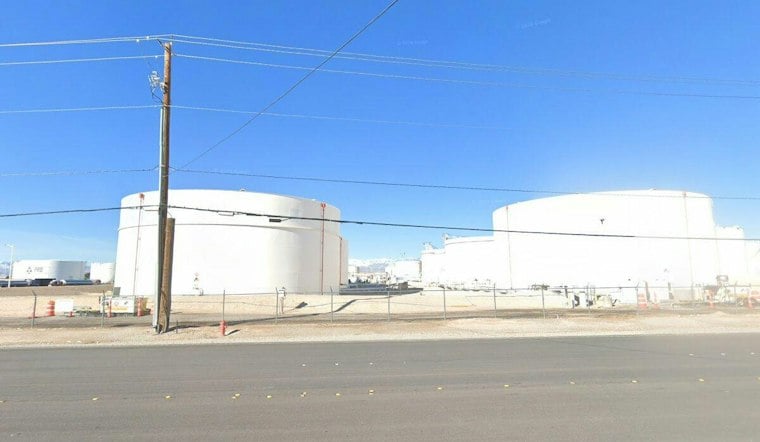
Nevada receives most of its diesel supply from California. A refinery in Nye County produces asphalt and some diesel. The Las Vegas area in particular relies on Kinder Morgan's CALNEV pipeline running from Colton, California, for roughly 90% of its refined fuel, with the remainder arriving via the UNEV pipeline from Utah, according to The Nevada Independent. That leaves the state exposed to California's refined fuel market, where weekly USDA AgTransport on-highway diesel data for the week ending September 14 put California's average on-highway diesel price at $8.04 a gallon, the highest in the nation, per IndexBox. Nevada also has limited pipeline infrastructure connecting it to fuel-producing states like Texas and Wyoming, and growing diesel demand combined with trucking challenges on Nevada roads adds further strain.
In Washoe County, local fuel taxes add another layer of cost. According to the Regional Transportation Commission of Washoe County, the voter-approved RTC-5 fuel tax was approximately 58 cents per gallon as of July 1, 2026, up 4.27 cents from the previous fiscal year. That local tax is separate from the federal diesel tax of 24.4 cents per gallon, according to the Sales Tax Handbook.
Why Reno and Las Vegas Can Diverge
Nevada's fuel logistics are regional rather than uniform. OPIS reports that the UNEV pipeline brings fuel from Salt Lake City toward Las Vegas, while Kinder Morgan's SFPP North Line enters from the west and fuels the Reno area. Those separate supply routes help explain why prices can differ between Northern and Southern Nevada and why regional transportation and storage constraints can leave Nevada prices above the national average. The current record also shows that not every operator can automatically pass the increase through to customers. A June 22 notice from the Nevada Transportation Authority set fuel surcharges for certificated charter limousine carriers at $9 for diesel and $7 for regular-grade fuel starting July 1, 2026, until further notice. The measure documents one regulatory tool for recouping fuel costs, but it does not apply broadly to every trucking company or food business.
Food Trucks Feel the Squeeze Too
Food trucks face the same cost pressure through both fuel and supplies. Stick With Chicken, a Laotian food truck run by Alex and Malisa Martinez, uses diesel to pull its food trailer. Alex Martinez said a box of chicken that cost about $20 three years ago now costs more than $40, and he may have to raise menu prices.
Higher diesel prices drive up the cost of moving freight generally, and economist Richard Gearhart of California State University-Bakersfield said oil shocks affect every part of the supply chain, per the same report. Diesel isn't just a trucking cost, either. It's used heavily in agricultural production, including for livestock, and it also fuels generators and backup power production, supporting refrigeration during blackouts or brownouts.
A Nationwide Diesel Crunch
Nevada's spike is part of a broader national surge. The U.S. average diesel price crossed $6.00 a gallon for the first time in history on September 11, reaching $6.06 a gallon, a 63% jump compared to the same period in 2025, according to WKYC. Energy analysts and news reports point to the ongoing U.S. military conflict with Iran and shipping disruptions through the Strait of Hormuz, a corridor that historically handled 20% of prewar global petroleum transit, as a primary driver of the late-2026 diesel inflation, as Hoodline previously reported.
The math is stark for long-haul carriers. Heavy-duty commercial trucks average about 6.5 miles per gallon, meaning a carrier hauling freight 1,000 miles through Nevada at diesel prices above $6.50 a gallon spends more than $1,000 on fuel for that single trip, per Class A Drivers. A documented pass-through mechanism exists for some Nevada passenger carriers: the Nevada Transportation Authority set a $9 diesel surcharge, effective July 1, for certificated charter limousine carriers. Whether that or other relief will be enough to keep small operators and food truck owners from passing costs on to customers remains to be seen.





