

























































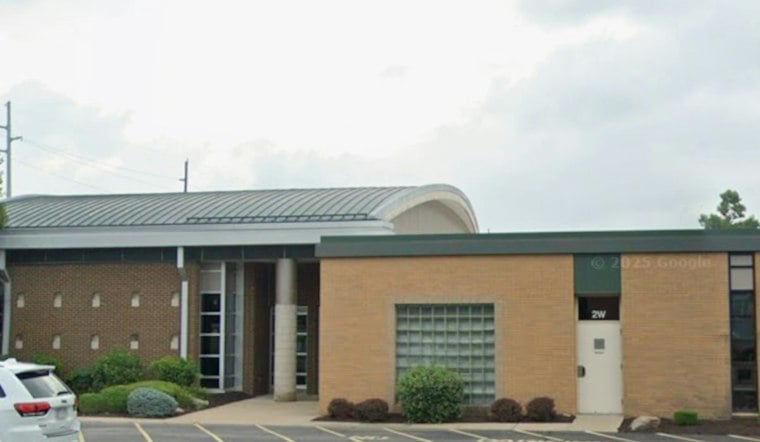
Diesel prices in Indiana climbed to $5.93 per gallon yesterday and Greenwood Community School Corporation is already feeling the pinch in its transportation budget. Superintendent Terry Terhune says the district spent about $34,000 more on fuel between April and July of this year compared with the same stretch in 2025, and he may need to dip into cash reserves if prices don't come back down.
The spike traces back to global oil market disruptions, according to WISH-TV, which reported that diesel hit that nationwide record average of $5.85 per gallon last Friday amid the ongoing war with Iran. Oil shipping through the Strait of Hormuz, which once carried a fifth of the world's prewar oil supply, is now virtually nonexistent, the station reported. Greenwood, which has nearly 4,000 students and more than 30 full-size diesel-powered school buses ferrying roughly two-thirds of them to class daily, has already postponed summer maintenance projects, including re-sealing school parking lots, to offset the higher fuel bills.
Why Relief Hasn't Reached the Bus Lot
Part of the frustration for districts like Greenwood is that diesel is taxed separately from gasoline in Indiana, and that separate tax structure has left bus fleets exposed even as the state moved to ease pain at the regular pump. Indiana taxes diesel under its Special Fuel Tax at $0.63 per gallon for the fiscal year running through June 2027, a full 26 cents higher than the state's $0.37 per gallon Gasoline Tax, according to the Indiana Department of Revenue. When Governor Mike Braun declared an energy emergency in April and suspended the state's 7% Gasoline Use Tax, that relief applied only to gasoline and explicitly excluded diesel, per the State of Indiana's executive order.
That exclusion matters for a district like Greenwood, where the full-size fleet runs on diesel while only its smaller activity buses use gasoline. Terhune said the increased fuel costs are hurting the district's operating funds, and he said Greenwood will continue looking for ways to save money if diesel prices don't decline. Tapping cash reserves remains a last resort, he said, and he does not yet know the exact point at which the district would need to make that move. For now, the district says it can use reserves if needed and will adjust expenses as necessary while it monitors the fuel-cost situation.
Other Districts Feel the Same Squeeze
Greenwood isn't alone. Indianapolis Public Schools spent about $15,000 more on fuel in August of this year than in August 2025, even after reworking bus routes and cutting fuel consumption by roughly 30% compared with a year earlier, per the WISH-TV report. Beech Grove City Schools saw fuel costs rise from about $8,600 in August 2025 to $14,500 in August 2026. MSD Lawrence Township, which buys bus fuel in bulk every six months, has a contract that hasn't yet reflected the higher costs, while MSD Wayne Township's propane-powered buses are insulated from oil-price swings entirely.
Terhune has not taken the step of reworking Greenwood's bus routes the way Indianapolis Public Schools has, at least not yet. Some districts have leaned on alternative fuels or biodiesel blends to soften the blow; Indiana law requires public diesel fleets to use at least a 2% biodiesel blend when available, and higher blends like B20 carry their own state tax exemptions, according to Drive Clean Indiana.
A Statewide Budget Squeeze Beyond Fuel
The diesel spike is landing on top of a much larger financial strain across Indiana's public schools. State districts are projected to lose $744.4 million in property tax revenue between 2026 and 2028 under Senate Enrolled Act 1, with the single-year loss peaking at $336 million in 2028, a pressure Hoodline detailed in its earlier report on Tri-Creek's decision to end busing. Because Indiana law does not require districts to provide general bus transportation, some are responding with extreme measures — Lake County's Tri-Creek School Corporation voted in August to eliminate all bus service by 2028 after projecting a $3 million deficit tied to the property tax cuts, according to CBS News Chicago.
Others are turning to voters directly. A record 38 Indiana districts certified local property tax referendums totaling roughly $500 million for the November ballot to offset state-mandated cuts to operating and transportation funds, per Chalkbeat. Districts also have a narrower legal option: under Indiana Code § 20-46-8-3, a district whose transportation operating costs jump at least 10% due to fuel spikes can petition the Indiana Department of Local Government Finance by October 20 for an excess levy to raise its Operations Fund property tax limit.
Greenwood, for its part, is leaning on academic continuity rather than drastic cuts for now. The district launched an expanded after-school STEM program for grades 3-8 in August using a state Department of Education grant, even as it defers facility work like the parking lot re-sealing to protect its transportation budget. Whether that balance holds may depend largely on how long diesel prices stay near record highs.



