

























































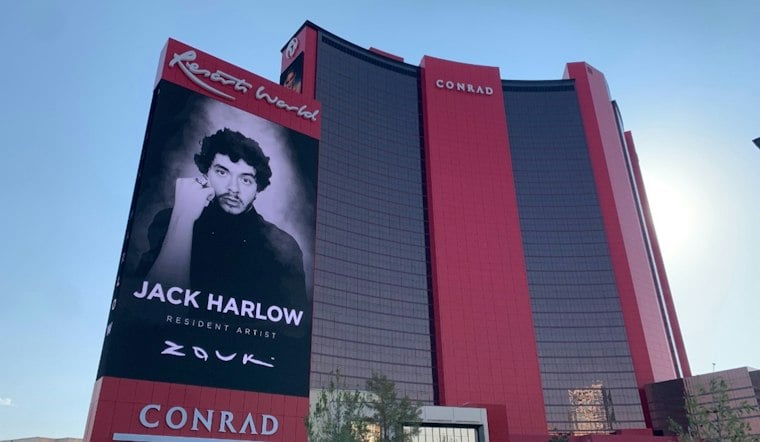
A former Resorts World Las Vegas compliance director is accusing the casino of retaliating against him after he raised concerns about suspicious activity involving a group of international gamblers. Preston Banks’s federal complaint alleges wrongful termination under Nevada law and retaliation under the federal Anti-Money Laundering Act. The allegations have not been tested in court, and Resorts World had not responded to the complaint in the Las Vegas Review-Journal account.
The dispute centers on compliance warnings
Banks says he joined Resorts World in September 2022 after roughly 16 years at the Treasury Department’s Financial Crimes Enforcement Network. In the complaint, he alleges that he questioned the casino’s handling of a patron network that grew substantially and involved customers from several countries, including Argentina. His concerns included casino credit, third-party payments, chip transfers, wagering patterns and the stated sources of funds, according to the complaint as reported by the Review-Journal.
The complaint says Banks submitted a report to Chief Compliance Officer Jennifer Roberts and other compliance personnel on Sept. 2, 2025. He alleges that Resorts World later supplied regulators with a version that omitted information he considered material, and that he identified the differences during a meeting with Nevada gaming officials. The filing further alleges that 28 patrons were barred nine days after his report and that unpaid casino credit associated with the accounts totaled about $12 million to $13 million.
Banks says Resorts World dismissed him on Sept. 29, 2025, 27 days after the report. He alleges that a human-resources executive linked the termination to the patron group’s activity and said the decision came from senior leadership. The complaint seeks reinstatement or front pay, back pay, damages, fees and other relief. Whether the termination was retaliatory, whether his reports fall within the federal statute and whether the casino’s conduct met the law’s requirements remain unresolved.
What the federal law provides
The Anti-Money Laundering Act’s whistleblower provision is not a finding that every internal compliance disagreement is protected activity. Under 31 U.S.C. § 5323(g), employers may not discharge, demote, threaten, harass or otherwise discriminate against qualifying whistleblowers for lawful reports to federal authorities or certain supervisors and investigators. Banks’s case will therefore turn on facts such as what he reported, to whom, and whether the alleged retaliation was connected to that protected conduct.
The statute also differs from the remedies requested in Banks’s lawsuit. Separately, the Financial Crimes Enforcement Network says people who voluntarily provide qualifying information may be eligible for awards when it leads to a Treasury or Justice Department enforcement action producing more than $1 million in monetary penalties. That program has its own statutory eligibility rules and does not establish that Banks is entitled to an award or that his employment claims will succeed.
Earlier regulatory action provides context, not proof
The lawsuit followed a separate state enforcement matter involving Resorts World. On March 27, 2025, the Nevada Gaming Commission approved a $10.5 million stipulated fine over alleged anti-money-laundering violations involving known illegal sports bookies, according to Nevada Current. That proceeding concerned regulatory compliance at the casino; it did not determine whether Banks was later fired unlawfully.
A separate Las Vegas example illustrates why the issues should not be collapsed into one case. In May 2024, former MGM Grand president Scott Sibella received one year of probation after pleading guilty to a federal charge involving his failure to report suspicious betting by an illegal bookmaker, CNBC reported. Sibella’s criminal case involved a different casino executive and different conduct; it is a precedent for the seriousness of casino reporting obligations, not evidence that Banks’s allegations are true.
What remains to be established
The complaint presents Banks’s account of internal warnings, regulatory communications and the reason for his dismissal. The public allegations do not by themselves establish that the patrons violated the law, that Resorts World intentionally withheld information, or that the termination violated the Anti-Money Laundering Act. The court will have to determine whether Banks’s reports were legally protected and whether the casino’s stated or alleged reasons for ending his employment were pretextual.





