

























































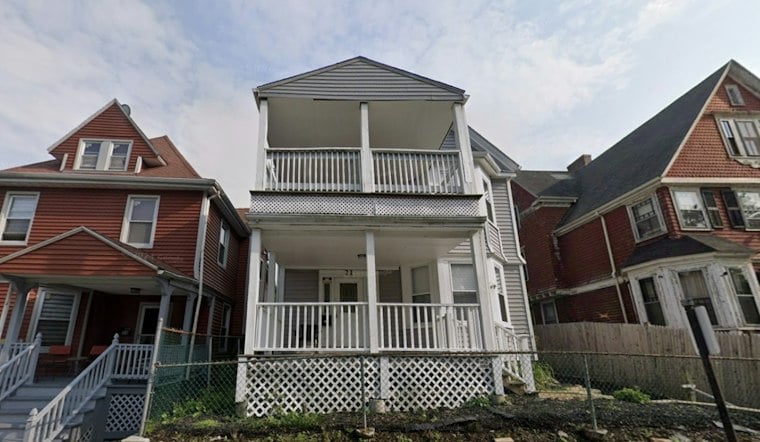
On a quiet stretch of Montrose Street in Roxbury, century-old homes that once housed generations of the same families are changing hands for well over $1 million. The street's recent sales and listings provide a focused example of how rising property values can produce sharply different outcomes for longtime owners, developers and residents who remain. Montrose Street sits inside the Moreland Street Historic District.
A Family Home Sold Below Value
Gladys Triplett lived in her family's century-old Montrose Street home since childhood, but escalating property taxes, mounting maintenance costs and unpaid rent from tenants forced her to sell in 2022. She sold the property for $525,000, more than $100,000 below city assessments, according to an account cited in a Reddit discussion. The same account says Triplett relocated to her sister's condominium in Randolph after the sale.
The property's subsequent history shows how redevelopment changed its market value. Developers bought the home, gutted it and divided it into two multi-unit condominiums. Marketing materials from the listing say the renovated property sold for $1.24 million in 2025, while asking prices for renovated units along the street reached $1.4 million. Those figures describe the property's later market value; they do not show that the proceeds went to the family that had owned it.
The Boston Globe reported that home values on the street have doubled to roughly $14 million in a decade, with values multiplying several times over in recent decades. The Globe also reported that some long-term residents welcomed the windfall, selling and using the proceeds to move closer to family or fund retirements in Florida or the Caribbean. Others, it reported, left under pressure from rising taxes, proliferating bills and debt. The contrast underscores why appreciation alone does not show who benefits from a changing housing market.
A High-Risk Displacement Zone
City planning data offers a broader indicator of the pressure residents describe. A Bluesky post citing the Boston Mayor's Office census-block vulnerability tracking said the area around Montrose Street carries an above-average risk of resident displacement compared with the city as a whole. That designation places the street's property-market changes within a neighborhood the cited mapping identifies as vulnerable.
Boston's property tax structure adds another layer of pressure. For fiscal year 2026, the city set its residential tax rate at $12.40 per $1,000 of assessed value and offered an owner-occupant residential exemption that saved qualifying homeowners up to $4,353.74, according to Boston.gov. That relief is unavailable to non-owner occupants or multi-unit landlords, and owner-occupants must file by April 1 each year to claim it, the city notes.
What Help Is Available to Homeowners?
Some assistance is available before repair costs or redevelopment pressure force a sale. According to the Boston Home Center, eligible Boston homeowners of one- to four-family homes or qualifying condominiums can receive deferred, interest-free repair loans of up to $50,000; one-third of the loan is forgiven after 10 years of continuous owner-occupancy. The program information establishes eligibility and terms, but the supplied materials do not show how many Roxbury homeowners have used it or whether it reaches residents facing the pressures described here. Separately, Boston's Housing Strategy 2025 says the city is coordinating an anti-displacement strategy focused on residents, small businesses and cultural anchors.
Citywide Tax Shift Squeezes Homeowners
The pressure on Montrose Street reflects a broader concern about Boston's property-tax burden. Residential taxpayers remain part of the city's tax debate.
Zooming out to the neighborhood level, Roxbury's overall housing market recorded a median home sale price of $750,000 over the three months ending in August 2026, a 23.9 percent year-over-year increase, with 28 homes sold in August versus 43 a year earlier, according to Redfin. Homes in Roxbury spent an average of 34 days on the market over the three months ending in August 2026, compared with 24 days a year earlier, the same data shows — a pace that puts Montrose Street's $1.2 million to $1.4 million sales well above the neighborhood norm.
Statewide numbers tell a similar story of climbing prices. The median single-family home sale price across Massachusetts reached $638,000 for full-year 2025 and rose to $665,000 by May 2026, according to housing data firm The Warren Group. Greater Boston's single-family median climbed even higher, reaching $833,750 by mid-2026, the firm's data shows.
A Rare Kind of Rapid Change
The changes on Montrose Street have been rapid and substantial. The transformation has reshaped the street's housing market and the circumstances of longtime residents.
Even as land values climb, community resources remain part of the broader conversation in the area. The discussion reflects an attempt to root community resources in the neighborhood even as its real estate market transforms around them.
Roxbury has drawn increasing attention from developers and city officials alike in recent years. Public investment, including a $100 million Accelerator Fund and a Nubian Square project, is part of a wider pattern of capital flowing into the neighborhood even as longtime residents like Triplett find themselves priced out of the market they once called home.





