

























































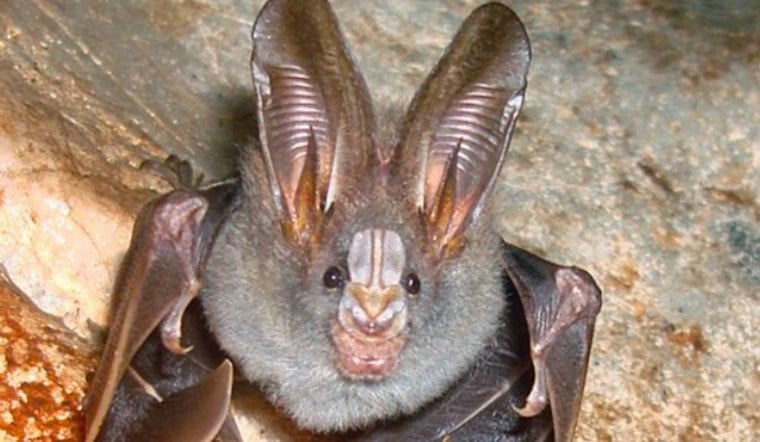
Safari Park employees found a dead bat outside the Mombasa restaurant last Sunday morning, and when the county public health lab tested it, the result came back positive for rabies — the 43rd confirmed rabid bat in San Diego County this year, twice as many as the county's previous record of 21 set just last year.
The bat was discovered at 11:30 a.m. near the Mombasa restaurant inside the park, according to the SD HHSA
, which posted about the find on X. No human contact with the bat had been reported, and it was not part of the park's animal collection, but was a wild bat that had died before staff came across it. County Public Health Officer Sayone Thihalilopavan said more reports are leading to more bat testing and, in turn, more positive rabies results, per the same account.
A Pattern Stretching Back Years at the Open-Air Park
A Pattern Stretching Back Years at the Open-Air Park Earlier confirmed cases turned up on May 11 near Thorntree Terrace and on May 29 inside the Mombasa Cooker Restaurant, according to the County News Center. The park has a history of these encounters, with trained staff having retrieved confirmed rabid wild bats on its grounds. The park's open-air setting is part of the local ecosystem for wild native bats.
The trend isn't confined to the park. In July, county officials issued an exposure alert after a rabid bat landed on a dining table during lunch at the Yellow Deli restaurant in nearby Vista — a case CBS8 reported as the county's 22nd rabid bat of the year at the time. Hoodline previously covered that meal-crashing bat scare, and a similar rabid bat find at Safari Park made headlines back in September 2024 when one turned up in a staff-only area.
What Counts as Exposure, and Why It Matters
Public health officials stress that rabies risk only occurs when a person has direct contact with a bat — touching, holding, or being bitten — meaning casual proximity while walking through the park carries no risk. Anyone who did have direct contact with the bat found last Sunday is asked to call the county epidemiology unit at (619) 692-8499. Anyone with direct bat contact anywhere should wash the area with soap and water and seek medical advice, since rabies is almost always fatal once symptoms begin but prompt treatment before symptoms start is highly effective.
That urgency carries real weight: California's most recent human rabies fatality occurred in 2024, when a Fresno County resident contracted the virus following exposure to a bat in Merced County, according to CBS8. Rabies symptoms can take weeks to months to appear, which is why health officials push for immediate evaluation rather than waiting to see if illness develops. Thihalolipavan has advised residents to respect wildlife space and avoid touching wildlife altogether.
A National Alert Follows a Nationwide Surge
A National Alert Follows a Nationwide Surge The Safari Park case lands amid a broader national reckoning over rabies exposures. The CDC has issued a national health alert amid rising human rabies exposures across the country, and a related report also mentioned errors in post-exposure prophylaxis administration.
The discussion also covers human rabies immune globulin and rabies vaccine courses. The cost of a full course of post-exposure prophylaxis is not stated. The passage also discusses medical evaluations after animal contact and rabies treatment.
One driver behind the federal alert came from outside California entirely: a mass exposure event in North Carolina, where more than 210 people were advised to undergo post-exposure prophylaxis after contact with rabid baby goats at a mobile petting zoo, as reported by CNN. San Diego's spike centers on wild bats, while other states are seeing rabies spill over into domestic livestock and petting-zoo animals.
Bats Are Protected — and Beneficial — Under State Law
Bats Are Protected — and Beneficial — Under State Law Bats, including those roosting at Safari Park, are protected species in California. That protected status means bats found on institutional and private grounds may not simply be killed or harmed.
Despite the rabies concerns, bats play a beneficial ecological role, helping control insect populations including mosquitoes, and some species pollinate plants while feeding on nectar. In San Diego County, bats are most active around sunset. Separately, California dogs are required to be vaccinated against rabies, a reminder for pet owners as wild rabies detections climb.





