

























































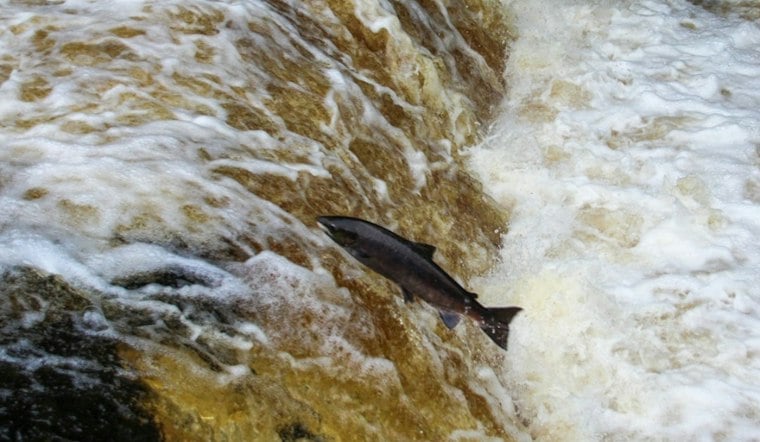
Adult salmon are pushing their way from saltwater back into Redmond's waterways this month, arriving in the Sammamish River, Lake Sammamish, and the city's smaller streams to spawn. Chinook, sockeye, and coho are all part of the run, alongside trout and native kokanee, and the city says the best viewing happens right now from local trails and bridges.
The City of Redmond
announced the migration in a post Wednesday, noting that the Sammamish River, Lake Sammamish, and Redmond's streams all provide habitat for Chinook, sockeye, and coho salmon, plus trout and Lake Sammamish kokanee. Among the fish making the journey, Puget Sound Chinook carry federal weight: they were listed as a threatened species under the Endangered Species Act in 1999, according to
NOAA Fisheries
.
Where to Watch the Run in Downtown Redmond
The city's post points to the Redmond Trestle and the Redmond Way bridge over the Sammamish River as popular gathering spots for salmon. Viewers are advised to wear polarized glasses or find a shady spot to cut down on water-surface glare, and to move slowly and stay out of the water since the fish are already working to avoid predators. Patience helps too — the city notes that salmon often move during or right after rain, so it's worth checking back on wet days.
Sockeye salmon are among the fish associated with the Sammamish River, according to a City of Bellevue assessment. The assessment does not establish how that population compares with the Cedar River run.
A Native Species Once Down to Fewer Than 20 Fish
A Native Species Once Down to Fewer Than 20 Fish Lake Sammamish kokanee — fish that spend three or four years in Lake Sammamish and return to streams to spawn — came close to vanishing altogether. During the 2017–2018 winter run, fewer than 20 adult spawners returned, prompting King County executives to issue an emergency declaration, per reporting from FIELDNOTES. The fish return to streams to spawn.
The population has since shown real signs of recovery. The city reports more than 8,000 kokanee in Lake Sammamish tributary streams. The work has included egg incubators and hatchery fry releases. The Lake Sammamish Kokanee Work Group includes local governments, nonprofits, and the Snoqualmie Tribe.
Urban Streams Carry Old Damage and New Threats
Much of the habitat these fish rely on was reshaped decades ago by flood control work. Lower Bear Creek in Redmond was straightened and hardened by the U.S. Army Corps of Engineers back in 1965, according to David Evans and Associates, damage that more recent rehabilitation has tried to undo by installing approximately 1,500 pieces of large woody debris and realigning 3,246 feet of stream channel to rebuild natural pools and spawning conditions. The City of Redmond has done similar work on Evans Creek, relocating a stretch of the waterway away from industrial properties and widening vegetated buffers to create better juvenile rearing habitat for Chinook, coho, and sockeye, addressing a stretch of stream long degraded by narrow buffers and untreated industrial runoff.
Modern hazards persist alongside that historic damage. The specific effects of roadway runoff on coho salmon are not established here. The available information does not establish whether water temperature or dissolved oxygen create migration barriers. The city says salmon may move during or after rain, making wet days worth checking for activity.
Regional Funding Backs the Restoration Push
Money for this kind of work has been flowing at a regional scale. The City of Redmond page lists Cooperative Watershed Management grant funding for local work. The funding reflects a broader, multi-agency commitment — spanning municipal, tribal, and nonprofit partners — to keep suburban streams like Redmond's viable for salmon long after the fish finish this year's run.



