

























































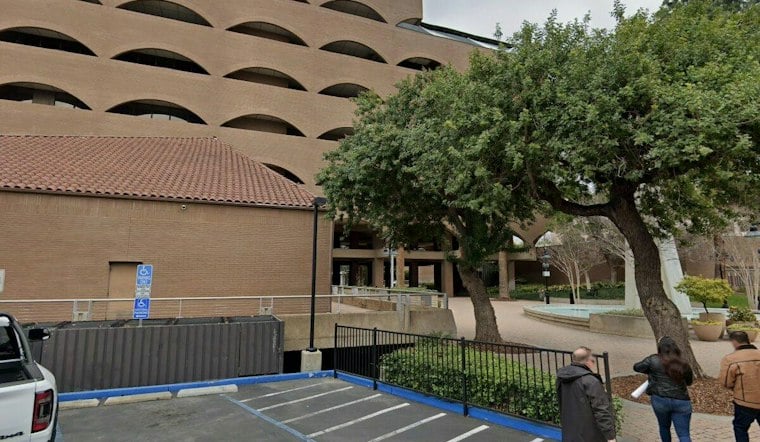
The Santa Ana Regional Water Quality Control Board voted 3-to-1 on Friday to approve a sweeping new permit forcing local governments across Orange, Riverside and San Bernardino counties to cut pollution flowing into the Santa Ana River Basin, a watershed stretching from the San Bernardino Mountains to the Pacific Ocean. The vote caps months of fighting over how — and who pays — to clean up a river system that officials say remains contaminated with bacteria.
The new Regional MS4 permit, which takes effect 90 days after approval, requires cities and counties to install systems that keep trash and other contaminants out of waterways, according to the San Bernardino Sun. The permit replaces separate county-level stormwater rules that had governed the region since the early 1990s with a single watershed-wide framework, according to Argent Communications. Municipal separate storm sewer system permits like this one are issued under the federal Clean Water Act's NPDES program.
Dawn Rowe, chair of the San Bernardino County Board of Supervisors, argued the regulations would place a heavy financial burden on county residents, per the Sun's report. San Bernardino County commissioned an economic impact report, paying $37,000 for the analysis, which estimated the proposed stormwater requirements would cost the county and 16 of its cities $11 billion over 20 years.
A Steep Price Tag for Inland Cities
The financial strain isn't limited to the county level.
The same economic analysis found that requiring stormwater treatment systems on individual residential lots could add $25,000 to $26,000 to the cost of building a new single-family home, a figure widely cited by regional opponents of the rules. Board member Kris Murray, who is from Anaheim, voted against the new regulations. Board members William Ruh, of Montclair, and Letitia Clark, of Tustin, both recused themselves from the vote.
Regulators Defend the Standards
John Scandura said the new standards were not designed to be easy or cheap to comply with, adding that they were based on extensive research, analysis and peer review. He said the permits aim to push people to develop new solutions and technologies. The Santa Ana Regional Water Quality Control Board is part of California's state environmental protection agency.
Not everyone at the meeting thought the rules went far enough. Environmental groups including Orange County Coastkeeper argued the regulations do not go far enough to protect the watershed, while Amanda Carr, who attended the meeting, said current technology and best-management-practice projects likely would not fully meet the bacteria limits allowed under the regulations.
An Endangered Fish Complicates the Math
The debate carries an ecological wrinkle. The U.S. Fish and Wildlife Service has cautioned that diverting stormwater flows to satisfy permit requirements could reduce river levels and harm habitat for the Santa Ana sucker, a fish federally listed as threatened under the Endangered Species Act, since the species relies on perennial water flows within the basin, according to Beacon Economics research cited in a San Bernardino County analysis.
Legal pressure on cities to comply has also intensified. A 2025 U.S. Supreme Court decision reinforced end-of-pipe discharge metrics for municipal stormwater permits, limiting local agencies' ability to rely solely on best-effort compliance defenses, as reported by NationGraph News. That shift pushes liability toward measurable pollutant limits rather than good-faith effort.
A Watershed Serving Millions
The Santa Ana River Watershed covers roughly 2,650 square miles across the three counties, with the river flowing 110 miles from the San Bernardino Mountains to Huntington Beach. Inland Empire Waterkeeper adopted Martha McLean Park in 2024.
The board released its updated draft permit in May, and Argent Communications reported that the comment period on the tentative permit ended June 19. NationGraph and San Bernardino County mentioned an Orange workshop or hearing ahead of the adoption vote.
Winter Rains Add Urgency
The timing adds pressure of its own. The National Weather Service Climate Prediction Center has put the odds of a strong El Niño event this fall and winter above 90%, raising the prospect of heavy precipitation and increased stormwater runoff across Southern California, according to the Construction Industry Coalition on Water Quality. Statewide, 19 California public institutions issued stormwater management requests for proposals in mid-2026 to tap roughly $200 million in committed federal grants ahead of tightening compliance deadlines, per NationGraph News, as agencies scramble to hire technical consultants and program managers before the rules bite.





