

























































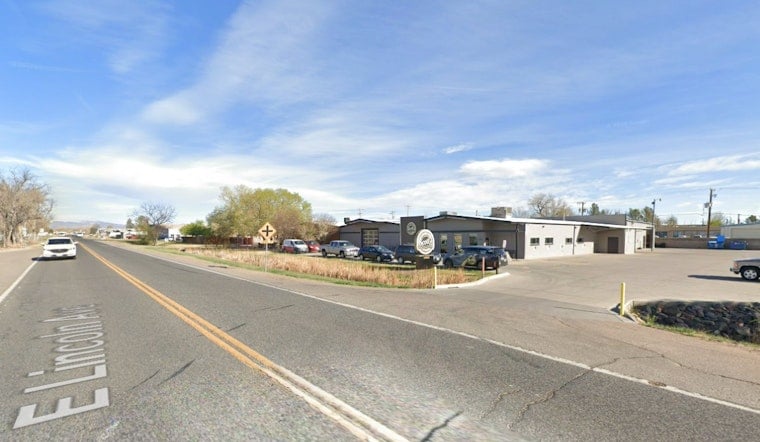
Seed & Spirit Distilling is planning a new tasting and mixing room at 1900 E. Lincoln Avenue in Fort Collins, bringing its spirits and cocktails to a space that will serve cocktails, spirit tastings, and food, with live music planned for the patio. The distillery is targeting an early fall 2026 opening, though it has not announced a specific date.
According to WhatNow, the new location will include a full bar serving specialty cocktails made from Seed & Spirit's own spirits, alongside a menu built around oysters and wood-fired pizzas. The Fort Collins distillery is expanding its footprint in Northern Colorado with the project, which it also plans to use for events. Guests hoping for exact timing are being directed to the company's website and social media for updates.
A Bigger Space Built Around Food
The Lincoln Avenue building was previously occupied by Belgian-style craft brewery Funkwerks before that company ceased operations, according to BizWest. During an August industry panel, Seed & Spirit founder Joel Gustafson explained that taking over the larger space is what prompted the company to build out an elevated dining menu featuring raw oysters and tartare, an approach that leans on low-cost in-house alcohol production to support a small-scale fine-dining concept, the outlet reported.
Gustafson founded Seed & Spirit under what the company calls a seed-to-spirit philosophy, growing corn on local farmland and running an in-house malthouse to process grains before distillation, per In Good Taste Denver. The distillery currently operates out of an industrial park facility in Fort Collins, and its signature product is Whiszcal, a hybrid liquor made by vapor-infusing and double-distilling wild Mexican agave spirit smoked in-house with hardwoods, then blending it with a three-grain Colorado white whiskey mash.
A Counter-Move In a Shrinking Industry
The expansion arrives at a rough moment for Fort Collins' craft distilling scene. CopperMuse shut its Old Town tasting room in mid-2024 before filing for Chapter 7 bankruptcy in April 2025, while Old Elk closed its downtown venue, The Reserve, in May 2025 after selling to Ohio-based Middle West Spirits, the same BizWest report noted. Hoodline previously covered a decade-old distillery's closure tied to the broader slump hitting Colorado's craft spirits producers.
That slump is measurable. The American Craft Spirits Association's 2025 Craft Spirits Data Project recorded 82 active craft distillers in Colorado as of August 2025, down from 119 a year earlier, mirroring a 25.6% national contraction in active craft spirit producers. Against that backdrop, Seed & Spirit's move to take over a larger space and add a fine-dining concept represents a counter-trend bet within Northern Colorado's craft beverage sector, per the outlet's reporting.
Legal Room to Expand, and Possible Tax Relief Ahead
Colorado's liquor licensing rules give distilleries like Seed & Spirit some room to grow this way. Craft distillers paying a $1,250 annual manufacturer license fee are permitted to operate up to five satellite tasting rooms and sell spirits directly to consumers on-site without going through a distributor, according to industry licensing guidance compiled by FIVE x 5. That direct-to-consumer sales model matters because tasting room sales are estimated to yield significantly more revenue per proof gallon than wholesale distribution.
Seed & Spirit already has distribution muscle behind it off-premise, having entered a partnership in late 2023 with New Belgium Brewing's beverage partner services to expand store availability of its spirit lineup across Colorado. On the production side, the distillery picked up a gold medal for its Whiszcal Reposado at the Denver International Spirits Competition earlier this year, an independent nod to the product quality behind the expansion.
There could be more tailwinds coming. In July 2026, Colorado U.S. Representative Jeff Hurd co-sponsored the federal SPIRIT Act, which would cut federal excise taxes from $2.70 to $0.35 per proof gallon for small distillers that source at least 90% of their agricultural ingredients from domestic farms, according to the American Craft Spirits Association. For a distillery built on locally grown Colorado grain and in-house malting, that kind of relief could help make the fine-dining bet at 1900 E. Lincoln Ave. easier to sustain in a market that has already claimed several of its neighbors.





