

























































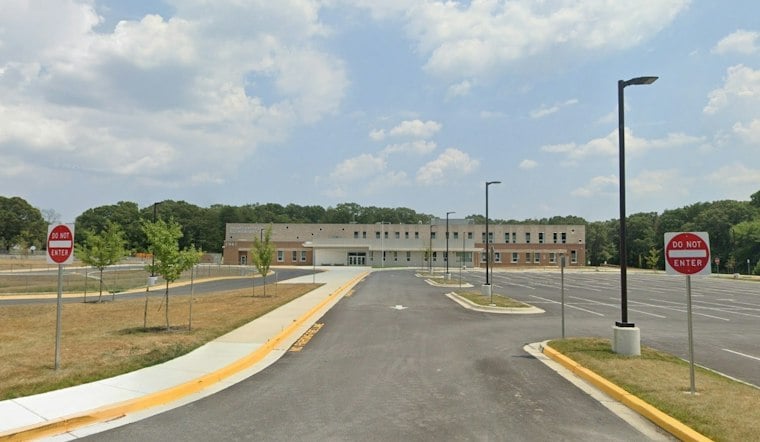
Quarterfield Elementary School in Severn turned gold on Wednesday, with students and staff wearing yellow and gold in honor of fifth grader Ailani Myers, a 10-and-a-half-year-old who battled blood cancer for eight years. The observance landed the same week U.S. Rep. Michael McCaul introduced federal legislation named after her in Washington.
Myers shared her cancer-survivor journey with classmates to help them understand childhood cancer and the importance of compassion, according to WBAL-TV 11. She told the station she spent many days and nights in the hospital receiving treatments and lines, had to relearn how to walk, and experienced hair loss during her illness. She said she kept trying to be brave throughout the ordeal.
Myers received a bone marrow transplant and CAR T-cell therapy, treatments that helped her recover and eventually return to school, per the same report. She said she was happy that children at Quarterfield were showing support for cancer patients still fighting the disease, and she has continued to advocate for childhood cancer awareness, including appearances as a spokesperson for several organizations and remarks on Capitol Hill.
A School Lesson in Empathy
A Quarterfield staff member identified as Brandon said the awareness effort became a lesson about compassion, empathy, service, and community, WBAL-TV 11 reported. Students and staff asked questions about cancer as part of the day's activities, wearing gold and yellow throughout the school.
Ailani's mother, identified as Princecine, said the school's support for her daughter and other children with cancer was emotional. She said childhood-cancer awareness is crucial for funding better treatments, and she hopes the gold childhood-cancer ribbon becomes as widely recognized as the pink breast-cancer ribbon, according to the station's account. The gold ribbon was established in 1997 by parent advocates with the Candlelighters Childhood Cancer Foundation as the international symbol for pediatric cancer, chosen because gold represents the value and resilience of children across dozens of childhood cancer types, as Hoodline previously reported.
From White House Stage to Capitol Hill Bill
Myers' advocacy predates this week's legislation. In September 2025, then-9-year-old Myers spoke at the White House during the signing of an executive order directing federal agencies to harness artificial intelligence for pediatric cancer cures and double funding for the Childhood Cancer Data Initiative to $100 million, according to The American Presidency Project. She recounted at the time that she was diagnosed with leukemia at age 2 and underwent treatments across seven hospitals and two bone marrow transplants.
That advocacy culminated on Monday, when Rep. McCaul, founder and co-chair of the Congressional Childhood Cancer Caucus, introduced the bipartisan Ailani Myers Accelerating Innovation in Medicine to Cure Kids with Cancer Act alongside caucus co-chairs Rep. Ami Bera and Rep. Mike Kelly, per the Office of Congressman Michael McCaul. The bill would codify and expand the National Cancer Institute's Childhood Cancer Data Initiative, establish a federal artificial intelligence coordinator for pediatric cancer across executive agencies, and leverage AI to modernize clinical trial design and speed data sharing, McCaul's office said. WBAL-TV 11 noted the legislation supports children battling cancer and that children are diagnosed with childhood cancer every day, with estimates ranging from 41 to 47 nationwide.
Why Federal Funding Gaps Matter
The push for research dollars reflects a persistent funding gap. Less than 4% of the National Cancer Institute's annual federal budget is dedicated to pediatric cancer research, leaving non-profit organizations and grassroots advocacy vital for funding pediatric clinical trials, according to Alex's Lemonade Stand Foundation. Cancer remains the leading cause of death by disease among U.S. children after infancy, with roughly 15,000 children diagnosed annually.
Acute lymphoblastic leukemia, the type Ailani fought, accounts for approximately 75% of pediatric leukemia cases and peaks in young children between ages 2 and 5, often requiring multi-year treatment protocols involving chemotherapy, bone marrow transplants, and specialized immunotherapies, Hoodline has reported. Public health data cited by the Max Love Project indicates that by age 45, 95% of childhood cancer survivors face a serious chronic health condition, and by age 30 their risk of a life-threatening illness is 700% higher than that of their siblings due to treatment side effects.
Regional Support Close to Home
Closer to Ailani's home in Anne Arundel County, Luminis Health Anne Arundel Medical Center operates the Geaton and JoAnn DeCesaris Cancer Institute in Annapolis, where its Cancer Survivorship Program assists more than 2,000 patients and families annually with non-medical navigation, counseling, and rehabilitation, Hoodline reported in coverage of local cancer-fund efforts. Quarterfield's gold day arrives amid a broader wave of Childhood Cancer Awareness Month observances this September, from Milwaukee's Daniel Hoan Memorial Bridge lighting gold to awareness days hosted by Major League Baseball teams.
For now, the open question is how quickly the Ailani Myers AIM to Cure Kids with Cancer Act moves through the House and Senate, and how local Anne Arundel institutions might expand survivorship resources for pediatric patients in the years ahead.





