

























































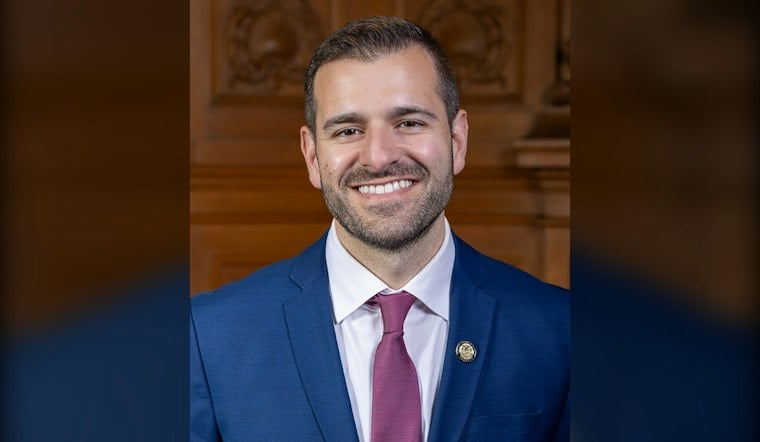
San Francisco tenants living under rent control can be hit with years of accumulated rent increases all at once. A new proposal at City Hall would cap how much of that banked increase a landlord can impose in a single year at 10%, aiming to soften the blow without eliminating it entirely.
Supervisor Danny Sauter developed the proposal alongside Mayor Daniel Lurie, according to Axios. The legislation would cap annual increases from banked rent and certain capital-improvement costs at 10% for rent-controlled tenants through 2029, and it would apply to banked increases issued on or after September 15. It would not touch San Francisco's regular annual allowable rent increase, which currently stands at 1.6%.
Under existing rules, rent-controlled landlords can raise rents by a small percentage each year, and if they skip that increase, they can save it and impose it later. There is currently no overall cap on how much banked rent a landlord can apply at once, though rent generally can only go up once every 12 months. Property owners may reach for those banked increases after skipping annual hikes or holding off during softer rental markets, and tenant advocates say the increases often surface after a building changes ownership or a tenant requests repairs.
A 65.8% Increase for One Senior Couple
Aleida García Aguirre, a counselor with the Housing Rights Committee of San Francisco, is currently working with a senior couple facing a 65.8% banked rent increase. The couple has lived in their apartment since 1990. García Aguirre said the new cap would slow the increase down but would not stop their rent from rising, and she argued the proposal does not address the underlying problem because landlords could still apply accumulated increases over several years.
García Aguirre wants financially distressed tenants to be able to seek an exemption from the increase altogether. She wants the city to consider an exemption resembling protections already in place for certain capital-improvement passthroughs.
Tenant attorney Allyson Murphy, who works at Tobener Ravenscroft, said most people she knows cannot afford a 10% rent increase, calling it a burden for tenants living on fixed incomes. Murphy told the outlet the proposal is the right start but may need to be strengthened further to protect renters.
Sauter Defends the 10% Threshold
Sauter acknowledged that a 10% cap remains a significant increase for tenants, but he said the figure is meant to balance tenant safeguards with property owners' ability to invest in and maintain their buildings. The legislation would also require landlords to report banked increases to the city, giving officials data for the first time on how frequently these increases are actually implemented.
Per Sauter, the Board of Supervisors is expected to vote on the measure in November or December. The proposal is part of a broader effort by Lurie to address the city's rent emergency, which he declared on September 10.
The Backdrop: A Citywide Rent Emergency
Lurie's declaration came amid concerns about rising rents and evictions.
Lurie's broader rent-emergency package includes six measures aimed at protecting renters, including efforts to delay evictions and prevent sudden rent increases, the station reported. United Way Bay Area has also said that wages in San Francisco rose just 7% over the past decade while rents climbed far faster, including by as much as 45% in the most recent year alone, per the same ABC7 account.
How Banked Rent Adds Up
Banked rent increases can accumulate for years under current rules, and according to Bancal SF, an owner who skips all or part of an allowable annual increase can generally preserve the unused amount and impose it later, with no citywide cap on the total banked amount that can be applied at once. Those banked percentages are added together rather than compounded, and under Rent Board Rule 4.12 they may not be rounded up, the same source notes.
The proposal now heading toward a vote would not change that underlying banking system, but it would slow down how fast those accumulated increases can hit a tenant's rent bill in any given year — a distinction advocates like García Aguirre say still leaves longtime renters exposed to rising costs, even if the increases arrive more gradually.




