

























































A 23-year-old Skamania County man is due in U.S. District Court in Tacoma after federal prosecutors say he used an AI computer program to alter public photos of local minors, making them appear nude. Brady Bingham Hall was indicted on a federal charge of possession of images of child pornography and will remain in custody pending future hearings.
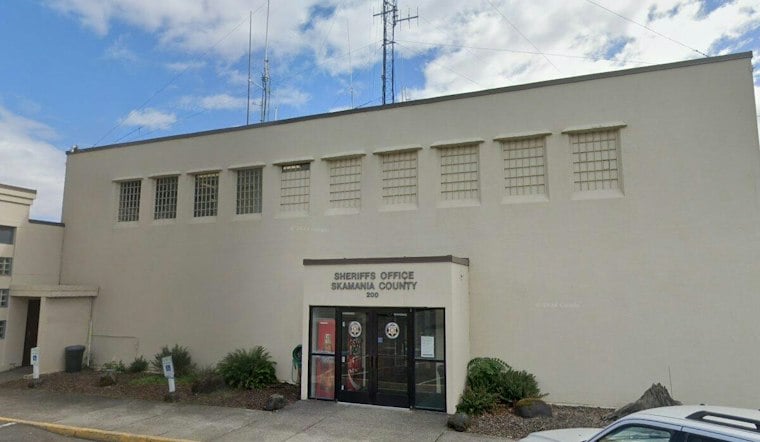
The case traces back to a traffic stop more than a year ago. According to KOMO News, Skamania County Sheriff's deputies stopped Hall on August 29, 2025, and found two guns, ammunition, and controlled substances in his car. Hall's case is in the U.S. District Court for the Western District of Washington in Tacoma.
Deputies seized Hall's iPhone during the traffic stop and later obtained a warrant to search its contents, the station reports. A deputy reviewing the phone recognized images of many young people from the Skamania area, and found screenshots pulled from social media alongside altered versions of those same photos made to appear nude.
Hundreds of Images, Some of Children as Young as 12
Hall told investigators he used a phone application that removes clothing from photos, according to the criminal complaint cited by the station. Investigators say he used the application on hundreds of images, some of children as young as 12. At least one of the altered photos still bore the words “AI generated,” and law enforcement has confirmed the identities of some of the children in the original, unaltered photos as minors.
Skamania County Sheriff Summer Scheyer said the county's sheriff's office partnered with Homeland Security Investigations on the case, and April Miller commended the diligence of the Skamania County Sheriff's Office in bringing it forward. The Department of Justice announced that Assistant U.S. Attorney Matthew Hampton is prosecuting the case, which was brought as part of Project Safe Childhood, a DOJ initiative to combat child sexual exploitation and abuse launched in May 2006.
Federal Prosecutor Warns of AI Misuse
Acting U.S. Attorney Charles Neil Floyd, who announced the indictment, said artificial intelligence can be used to engage in criminal misconduct. In a statement issued by the U.S. Department of Justice, Floyd cautioned that “if you make a choice to generate AI images, you better be sure they don't violate the law,” stressing that sexually explicit AI depictions of minors clearly breach federal statutes.
Possession of child pornography is punishable by up to 20 years in prison and a fine of up to $250,000. Under 18 U.S.C. § 2252A, federal law includes a provision concerning knowingly producing an adapted or modified depiction of an identifiable minor with intent to distribute it, or distributing such a depiction, according to the Office of the Law Revision Counsel. The state legislature also built findings into RCW 9.68A.011 acknowledging that AI and digital tools increasingly allow the realistic alteration of minors' photos into explicit material, creating new detection challenges for investigators, according to the Washington State Legislature.
A Small County Confronting a National Surge
Skamania County is a rural jurisdiction of roughly 12,669 residents as of 2025, according to USAFacts.
NCMEC's analysis of 2024 and 2025 data identified more than 275 direct victims of generative AI child sexual abuse material, and found that perpetrators are frequently people known to the children who have direct access to their real, non-explicit photos — the same pattern investigators describe in the Hall case. The organization's research shows how consumer “nudify” apps let users alter ordinary portrait photos into explicit imagery without ever physically contacting the victim.





