

























































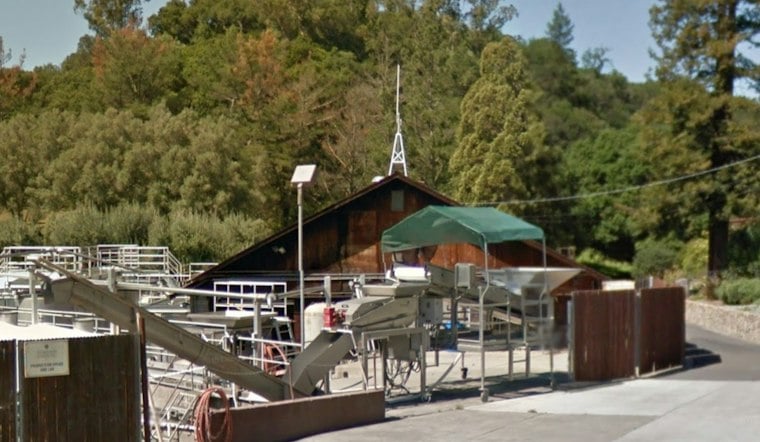
Gundlach Bundschu, a Sonoma Valley winery founded in 1858, filed for Chapter 11 bankruptcy protection Wednesday. The company that runs the winery, officially registered as Vineburg LLC and known as Bundschu Co., made the filing after what CEO Jeff Bundschu described as a decision not made lightly.
A Family Legacy Now in Court-Supervised Restructuring
Jeff Bundschu is CEO of Bundschu Co. Katie founded the Abbot's Passage label. “The decision to commence this case was not made lightly,” Bundschu said, per the same account. The winery will remain open during the court-supervised restructuring, and the family expects to retain a minority ownership interest going forward.
How the Debt Piled Up
The company's financial distress has been linked to a 2020 estate purchase. Abbot's Passage wine will remain available online.
The company is continuing to negotiate with a possible new investor. Bundschu Co. has reduced operating costs over the past 18 months and cut its workforce from 102 employees to 63. The company is working through the filing with bankruptcy counsel Finestone Hayes and financial advisor Amory Securities.
A Winery Founded in 1858
Gundlach Bundschu traces its history to 1858, when the winery was founded. The winery survived the 1906 earthquake and fire, which destroyed nearly a million gallons of wine and the family home along with a warehouse, wine vaults and headquarters spanning two San Francisco city blocks that the company owned at the time. It also endured Prohibition, when the operation shut down in 1920 and the Bundschu family ripped out half its vines.
The family began replanting its Rhinefarm land with premium grape varietals in 1969, and the modern winery opened its doors in 1976.
Part of a Wider Napa-Sonoma Wine Reckoning
Gundlach Bundschu's filing lands amid what the wine industry itself describes as a period of declining sales, excess grape supply and tight credit. Just weeks earlier, Napa's Signorello Estate and seven affiliated entities filed for Chapter 11 in the U.S. Bankruptcy Court for the Northern District of California, listing between $10 million and $50 million in estimated debts, according to the Los Angeles Times. That winery, a mainstay of Napa's Silverado Trail since 1977, had spent years rebuilding after the 2017 Atlas Fire destroyed its original winery and laboratory, reopening in 2024 only to face declining sales and financing pressure almost immediately, per SFGATE. Its lender, American AgCredit, had moved to foreclose on the property's land, buildings, equipment and even the right to use the Signorello name, citing roughly $37 million in debt, according to the San Francisco Chronicle. Robledo Family Winery filed for bankruptcy earlier in 2026 as well, part of a broader wave that also included Aloria Vineyards and Sran Vineyards, according to Yahoo Finance's review of court filings.
The Los Angeles Times attributes the industry's troubles to too many grapes and not enough buyers, with demand shrinking as younger generations drink less alcohol overall and increasingly favor beer and spirits over wine. The U.S. wine industry reported a 21% decline in revenue from 2020 through 2025, according to Silicon Valley Bank's State of the U.S. Wine Industry Report as cited by Yahoo Finance. Layoffs have rippled across the sector: Gallo plans to cut more than 90 jobs and close a major Napa Valley winemaking facility by the end of January 2027, Constellation Brands announced 212 layoffs at its Mission Bell Winery in Madera in February, and Modesto-based packaging firm G3 Enterprises said in August it would cut 66 workers who made wine screw caps.
The gap between wine production and sales volume has narrowed for a third consecutive year in 2026, though the correction is expected to leave behind a permanently smaller and more consolidated industry — a landscape into which Gundlach Bundschu now enters its own fight to emerge intact.




