

























































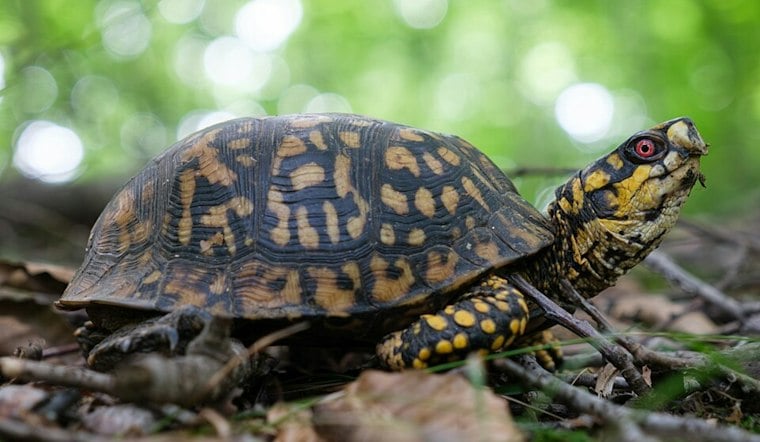
South Carolina law places limits on the purchase, possession and handling of some reptiles and amphibians. Act 177, enacted in October 2020, made it illegal to commercially sell, trade or export wild-caught native reptiles and established personal possession limits for species including native turtles, according to the South Carolina Department of Natural Resources. The agency also says releasing or allowing nonnative wildlife to escape is a misdemeanor punishable by a fine of up to $2,500 and/or up to one year in prison.
What prospective owners should know
The South Carolina Department of Natural Resources says it has observed an increase in the reptile and amphibian trade over the past 10-plus years. The agency also says recent high-profile law-enforcement investigations originating in South Carolina have drawn attention to the exploitation of native reptiles and amphibians. The U.S. Food and Drug Administration warns that reptiles and amphibians can carry Salmonella, including when they appear healthy and clean. The agency recommends washing hands with soap and water for at least 20 seconds after handling the animals and supervising children during handwashing.
Those rules are relevant to buyers attending animal expos because Repticon says transactions take place directly between independent exhibitors and attendees. The company describes itself as a host rather than a seller or guarantor and advises buyers to keep the seller’s contact information for follow-up care questions, according to Repticon.
What attendees can expect
Repticon’s Greenville event was scheduled to continue Sunday at the Hejaz Temple from 10 a.m. to 4 p.m. Adult admission was $12, and children ages 5 to 12 paid $6, according to WSPA 7News. The station reported that vendors brought snakes, lizards, tortoises and insects for visitors to view.
Repticon lists Greenville among its South Carolina stops, along with shows in North Augusta, Charleston and Columbia. The company says its expos connect visitors with vendors, breeders and educators and offer animals, cages, supplies and feeders. Those details come from Repticon.
The Hejaz Temple was formerly known as the Greenville Shrine Club & Event Center. The Hejaz Shriners also helped establish Greenville’s pediatric orthopedic hospital in 1925, according to Shriners Children’s Greenville.
Interest in reptile ownership
The local expo is part of a national pet market in which about 6 million U.S. households own a reptile, according to the American Pet Products Association. The association also reports that reptile owners generally favor in-person retail settings, where they can inspect an animal and speak with breeders or other knowledgeable sellers.



