

























































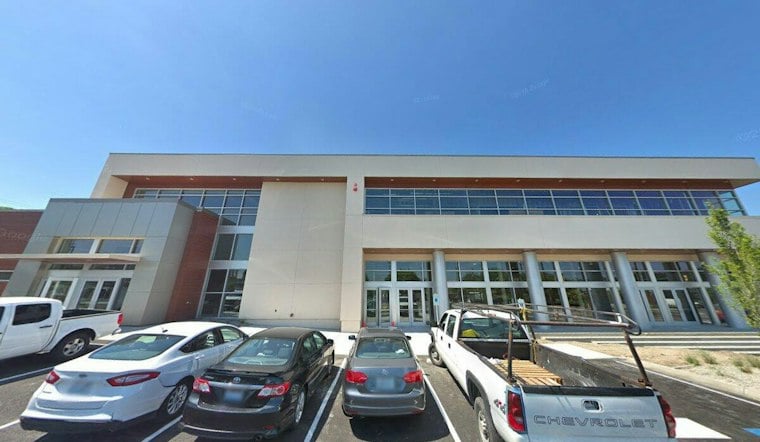
Inside a building in Seattle's South Park neighborhood, two farmworker shacks nearly 100 years old sit as the centerpiece of a museum telling a story most Washington history books skip. The Sea Mar Museum of Chicano/a/Latino/a Culture, free and open to the public at 9635 Des Moines Memorial Drive S., is the first and only museum in the state dedicated to Chicano and Latino history, focusing on Mexican farmworker life from the 1940s through the civil rights era of the late 1960s and early 1970s.
The museum's origin traces back to a labor shortage during World War II, when Mexican farmworkers came to central and eastern Washington to fill jobs left vacant by the war, as reported by The Seattle Times. That wave of Bracero Program labor, which brought over 15,000 Mexican agricultural workers to Oregon to thin sugar beets and harvest fruit, was chronicled in the book *Mexican Labor and World War II* by the museum's own curator, according to the Oregon History Project. That curator, Erasmo Gamboa, is a University of Washington professor emeritus in ethnic studies who grew up in a farm-working family in the Yakima Valley, the same account notes.
The museum's two farm cabins, transported from Sunnyside in Yakima County, were originally sold to Yakima Valley farmers from the 1930s through the 1950s and still retain knob-and-tube wiring and other original elements, per the Times report. The cabins were relocated from a Sunnyside farm in the Columbia Basin, according to UW Magazine, which describes them as reflecting the rugged living conditions of 1940s migrant families who traveled the West for seasonal agricultural labor.
From Wapato Fields to the State Legislature
Gamboa told the Times that the museum aims to spotlight a significant part of Washington state and community history, adding that Spanish speakers were present in Washington before the United States existed. His own path began in 1968, when he was part of the first cohort recruited for the University of Washington's Special Education Opportunity Program, created after Black Student Union sit-ins and protests demanding a multiracial and multicultural student body, faculty, and curriculum, the Times reports.
That same year, Chicano students at UW formed United Mexican-American Students, later known as MEChA, and organized a campus boycott of non-union grapes in support of the United Farm Workers, according to Washington Latino News. The boycott, part of the national farmworker rights movement led by Cesar Chavez, occurred as Gamboa helped establish UW's Chicano Studies program.
The museum's exhibits also honor Phyllis Gutiérrez Kenney, one of the first Latinos to hold office in Washington's state legislature. She grew up in 1940s Wapato in Yakima County working in produce fields from a young age before going on to serve eight terms in the Washington House, per the Times account.
A Healthcare Network's Civil Rights Roots
The museum sits inside a building that also contains an adolescent health clinic, a community center, and the Spanish-language radio station KKMO El Rey on its second floor, the Times reports. It's supported by Sea Mar Community Health Centers, which started in 1978 and now operates centers across Washington. The health network was co-founded by Chicano student activists including current President and CEO Rogelio Riojas, who grew up as a migrant farmworker in Texas and Eastern Washington before attending UW, according to Seattle Business magazine.
Riojas's activism didn't stop with Sea Mar's founding. In 1972, he joined other Chicano activists in the nonviolent takeover of an abandoned Beacon Hill elementary school, establishing El Centro de la Raza as a companion institution to Seattle's emerging Latino civil rights movement, the same magazine reports. Sea Mar has since grown into a network providing community health services.
Building on Casino Grounds, Growing Toward 2027
The 8,500-square-foot museum building was constructed on land formerly occupied by a casino and restaurant and was designed by Bazan Architects, the Times reports. The museum holds artifacts of community life, recreation, and military service, including Spanish-language album covers, military ephemera, posters, and flyers donated by Sea Mar staff, community members, and Latino families from east of the Cascades.
A planned expansion into adjacent space, expected to open in spring 2027, will nearly double the museum's capacity, according to the Times report. The expansion will explore Latino entrepreneurship and the restaurant industry, moving beyond the museum's current focus on Yakima Valley farm work and civil rights history. Gamboa said a major exhibit on the restaurant industry is already being designed.
The growth reflects a broader demographic shift statewide. Washington's Hispanic population is part of that broader demographic shift. South Park itself has a vibrant Latino community, according to The Planet.
The museum is open free of charge from 8 a.m. to 5 p.m. Monday through Friday and 10 a.m. to 3 p.m. on Saturdays, according to the Times.





