

























































Eugene Wright was shot behind the counter of the motel where he worked on Whitestone Glendale Road in Spartanburg County in December 1986, and nearly four decades later, no one has ever been arrested. His wife found him alive on the floor, still able to speak, and as he lay there he whispered “young guy” along with other things Ada Wright could not hear. He died two days later in the hospital. Now, Spartanburg County deputies are asking the public once more for help solving his murder.
According to FOX Carolina, Wright worked at a motel on Whitestone Glendale Road behind the Campcroft community when he was shot and his wallet was taken. The Spartanburg County Sheriff's Office said investigators continue to work to bring justice to those responsible for the killing, even as the years have piled up. The shooting occurred in December 1986 on Whitestone Glendale Road.
The case includes conflicting accounts of what happened around the time of the shooting. A later account differed from the brief statement attributed to Wright before his death.
A Letter That Complicated Everything
Six months into the investigation, an anonymous woman mailed a letter to Ada Wright, Eugene's wife. In it, the letter writer claimed she and a friend were at the motel the day of the murder, and she alleged that what happened was not a robbery at all, but a fatal argument between Wright and his mistress. The letter described the alleged shooter as a woman wearing an off-white dress, a gold belt, and black heels, and claimed Wright had been having an affair. Deputies have never identified the woman who sent that letter, per the sheriff's office.
The two competing leads, the accounts from the scene versus the mistress-and-affair theory raised in the letter, remain conflicting, and no one has ever been caught for the shooting itself. The sheriff's office says Eugene's children deserve to know the full story and see justice served, a sentiment that underscores why the case keeps resurfacing in the department's public appeals.
Why The Case Is Resurfacing Now
The renewed push comes during National Cold Case Month, a September observance during which Spartanburg County law enforcement runs targeted public awareness campaigns aimed at generating fresh leads on unsolved homicides, according to a Spartanburg County Sheriff's Office video. Wright's case sits alongside other long-unsolved Spartanburg killings, including the 1977 stabbing of Alice Means, which Hoodline covered earlier this month, and the unsolved 1989 shooting of Matthew Griffin.
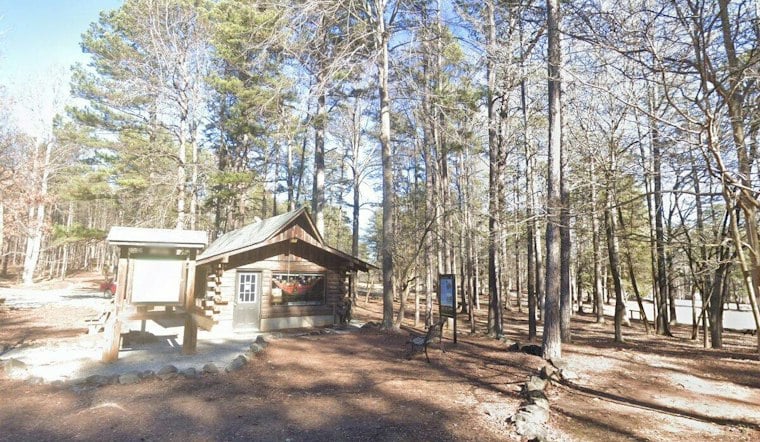
The motel where Wright was killed was along Whitestone Glendale Road.
Modern Forensics Meet a Decades-Old Case
South Carolina law enforcement agencies working cold cases rely on SLED's centralized Forensic Services Laboratory in Columbia, which can process historical physical evidence using STR-PCR DNA profiling technology and run results through the CODIS database. Because criminal homicide carries no statute of limitations under South Carolina law, deputies retain full legal authority to bring charges no matter how many decades have passed, according to FindLaw.
If a suspect is ever identified and convicted, South Carolina Code § 16-3-20 mandates a sentence of 30 years to life in prison without parole, or the death penalty if aggravating factors are established, per Justia Law.
How to Submit a Tip
Deputies are asking anyone with information about Eugene Wright's murder to come forward, no matter how small the detail might seem. The sheriff's office lists a contact for unsolved homicides on its website, according to the Spartanburg County Sheriff's Office. Tipsters who prefer to remain anonymous can also route information through South Carolina's statewide Crime Stoppers network at 1-888-CRIME-SC, which routes tips through a Computer-Aided Dispatch system.





