

























































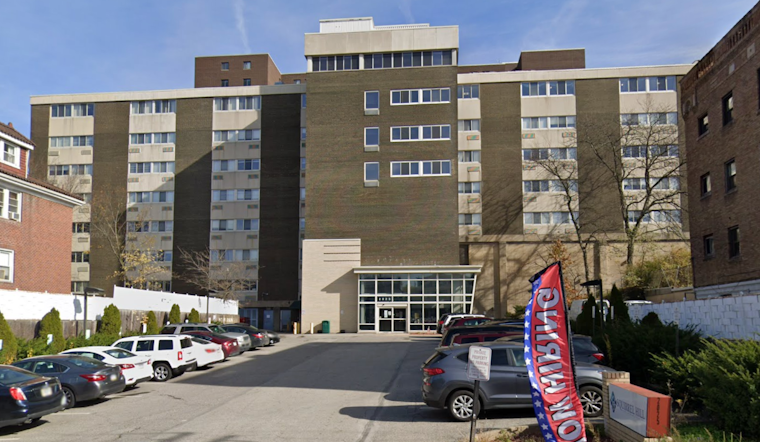
George Agie was 78 years old, living with heart failure, a seizure disorder, and end-stage renal disease, when a paramedic crew found him inside a bitterly cold room at Squirrel Hill Wellness and Rehabilitation Center on January 29, with a core body temperature of just 82.2 degrees. He died less than two months later, and now his sister is suing the facility, claiming a malfunctioning heater and inattentive staff let a survivable situation turn fatal.
Tina Williams, a Pittsburgh woman from the Hill District, filed a wrongful death lawsuit against the facility in Allegheny County Common Pleas Court, according to TribLIVE. The suit alleges Agie, who had returned to the facility after a hospital discharge on January 24 and had stayed there several times since November 2025, was found hypothermic in a room where the heating system was not working properly. Average human body temperature runs around 98.6 degrees, per the Mayo Clinic, and can range from roughly 97 to 99 degrees or more — making Agie's recorded 82.2 degrees a catastrophic drop.
The night before he was found, Pittsburgh saw an overnight low of just 4 degrees, with a daily high of only 15 degrees the day prior, the report notes. According to the lawsuit, Agie's brother had already raised concerns about the cold room with facility staff, but staff allegedly provided only additional blankets and did not move Agie or fix the heating problem itself.
Sepsis Suspected, Then Ruled Out
When paramedics arrived at 6:14 a.m. on January 29, facility staff reportedly attributed Agie's condition to possible sepsis rather than cold exposure, the lawsuit claims. It further alleges staff failed to recognize that his deteriorating clinical condition was consistent with prolonged exposure to dangerously cold temperatures. Doctors at UPMC Mercy ultimately confirmed profound and life-threatening hypothermia, according to the suit, and treated Agie with active rewarming, warming blankets, IV fluids, oxygen and broad-spectrum antibiotics.
Agie remained hospitalized through February 16 before being discharged to receive hospice care at home, where he died on March 24. The lawsuit brings claims for wrongful death and negligence, and seeks punitive damages. Attorney Anthony Giannetti, who represents Williams, told the outlet that the complaint speaks for itself. The suit also states that a complaint to the Allegheny County Department of Human Services substantiated caregiver neglect, and that the department referred the matter to the Allegheny County District Attorney's Office.
A Facility Already Under Financial and Regulatory Strain
The cold room at the center of the lawsuit was far from the facility's only documented problem. Federal regulation 42 CFR § 483.90(i)(6) requires Medicare- and Medicaid-certified nursing homes to keep resident rooms between 71 and 81 degrees at all times, a standard the alleged conditions in Agie's room would have badly violated. Squirrel Hill Wellness and Rehabilitation Center carried a 1-star overall quality rating out of 5 on Medicare.gov as of August 2026 and was classified as a Special Focus Facility candidate due to a documented history of serious quality issues.
Pennsylvania Department of Health and CMS evaluation records show the facility had racked up more than 100 health deficiency citations across a three-year inspection cycle heading into 2026, according to MSW Law Group. CMS staffing data compiled the same year placed the center in the “much below average” category, with an average of just 3.02 total nursing hours per resident per day, including only 0.64 registered nurse hours. A 2023 TribLIVE investigation found that Pennsylvania's Department of Health had not revoked a single nursing home license over a three-year span, even for facilities carrying “much below average” ratings or federal abuse warnings.
Bankruptcy and a Court-Ordered Receiver
The 178-bed facility filed for Chapter 11 bankruptcy protection on August 21, per federal court records, listing assets of between $100,000 and $500,000 against liabilities of between $10 million and $50 million, and as many as 200 creditors. Filings reviewed by Bondoro Insights show the operator, SH Operator, LLC, disclosed roughly $32.3 million in secured debt and nearly $7 million in unpaid Pennsylvania nursing facility assessments, driven by post-COVID occupancy declines.
That same filing revealed an Allegheny County Common Pleas judge had appointed a receiver for the facility back in December 2024, who then brought in 5151 Financial, Inc. in May 2026 to run daily operations — a layered management structure that could complicate the question of who is legally responsible for what happened to Agie. Medical research shows why the stakes of a cold room are so acute for someone like him: aging impairs the body's ability to shiver and constrict blood vessels to conserve heat, leaving frail older adults highly vulnerable to rapid drops in core temperature, according to a 2026 study published in the Journal of Clinical Medicine Research. Separate clinical research on accidental hypothermia found that cold exposure triggers acute kidney injury in more than 40% of intensive care hypothermia admissions, a particular danger for someone like Agie who already had end-stage renal disease.
The Squirrel Hill facility's troubles echo broader turmoil among the neighborhood's long-term care providers. In September 2024, the JAA broke ground on a new senior village on the site of the former Charles Morris Nursing and Rehabilitation Center, which had shut down in 2021 amid its own operational and financial troubles — a sign that the pressures now surrounding Squirrel Hill Wellness and Rehabilitation Center are not unique to a single facility in the neighborhood.





