

























































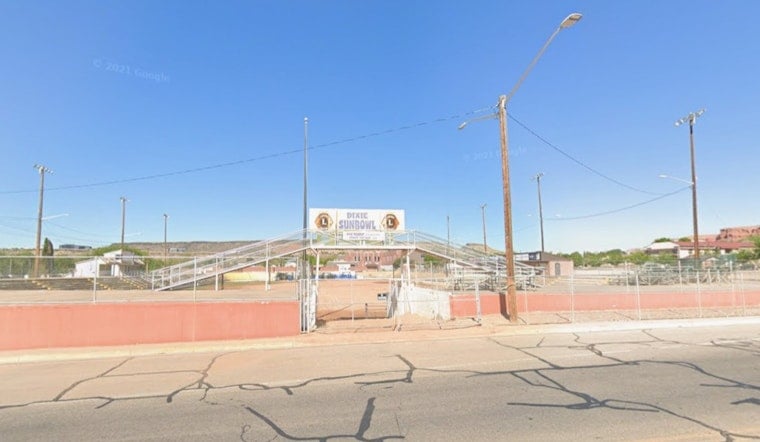
A nearly 80-year-old St. George landmark is getting its second act. The Dixie Sunbowl, built in 1947 and long home to the Dixie Round-Up Rodeo, has emerged from a yearlong renovation with new aluminum bleachers, a reconfigured arena floor and room for more than 1,000 additional spectators than before.
The grand reopening is set for September 10 at 6 p.m., according to KSL.com, which reports the venue had fallen into disrepair, with decaying concrete, limited capacity and outdated features prompting the overhaul. Gene Madsen, a representative of Hughes General Contractors, the firm the city hired for the project, said the renovation is a lifelong dream for the city, per the same report. The rebuilt Sunbowl now seats roughly 7,300 people, according to the City of St. George, though officials note the reconfigured arena floor can flex to accommodate up to 10,000 attendees during large civic events.
From Crumbling Concrete to Modern Bleachers
Demolition crews tore out the facility's old concrete bleachers, per KSL.com, clearing the way for a full rebuild that began on September 22, 2025, according to the City of St. George. Workers replaced the decaying concrete with aluminum seating and scaled down the central arena floor, moving stands closer to the action to improve sightlines for spectators. The project carried a one-year completion timeline, and the finished venue addresses long-standing safety and comfort concerns that had accumulated over decades of use.
The overall renovation carried a total budget of approximately $10.5 million, according to the City of St. George, as the scope expanded beyond a simple repair into a full facility transformation. Washington County contributed $3.7 million to the project, per KSL.com, with additional funding coming from Recreation, Arts and Parks tax revenue. The bulk of the financing traces back to St. George's Trails, Parks, and Recreation General Obligation Bond, which city voters approved in November 2023 by a 63% to 64% majority, according to the City of St. George.
A Rodeo Grounds Built by the Community
The Sunbowl's origins were themselves a grassroots effort. When construction began in early 1947, the venue cost about $35,000 to build, funded through $100 donations from 42 local Lions Club members and at least 130 other residents, according to Cat Country Utah. The name Dixie Sun Bowl itself came out of a community naming contest that year, won by Santa Clara youth Bobbie Laub, who took home a $15 cash prize, per the Washington County Historical Society.
The St. George Lions Club had actually organized the Dixie Round-Up Rodeo back in 1934, holding it at temporary locations for years before the Sunbowl became its permanent home starting with the 13th annual rodeo in September 1947, the historical society notes. Despite that history, and a common public assumption that the Lions Club owns the site, the Dixie Sunbowl facility and land belong entirely to the City of St. George, which leases the arena for the annual rodeo, according to the City of St. George. Beyond rodeo duty, the Sunbowl has also hosted Dixie College and visiting college football games, high school graduations, concerts and community festivals over its history, per KSL.com — a versatility rooted in its original rectangular layout, engineered for a football surface of mixed local red sand and sod, per the City of St. George.
Rodeo and Festivities Return Next Week
The Dixie Round-Up Rodeo returns to the rebuilt Sunbowl September 17 through 19, according to KSL.com. The grand reopening itself is woven into St. George's annual Dixie Days community heritage celebration, which this year includes a Town Square carnival, a drone light show, a parade and a 5K run alongside the rodeo, per the City of St. George.
For a city that built this arena one $100 donation at a time nearly 80 years ago, the reopening marks a new chapter for a facility that has quietly served as a gathering point for generations of St. George residents. The venue, KSL.com reports, continues to serve the broader St. George community much as it always has — just with a lot less crumbling concrete underfoot.




