

























































A St. Louis woman has sued Panera Bread, challenging the chain's marketing of its packaged macaroni and cheese as free of artificial preservatives even though it contains sodium citrate, an ingredient she says acts as exactly that. Cindy Wallace filed the lawsuit in St. Louis County Circuit Court over Panera's Panera at Home macaroni and cheese.
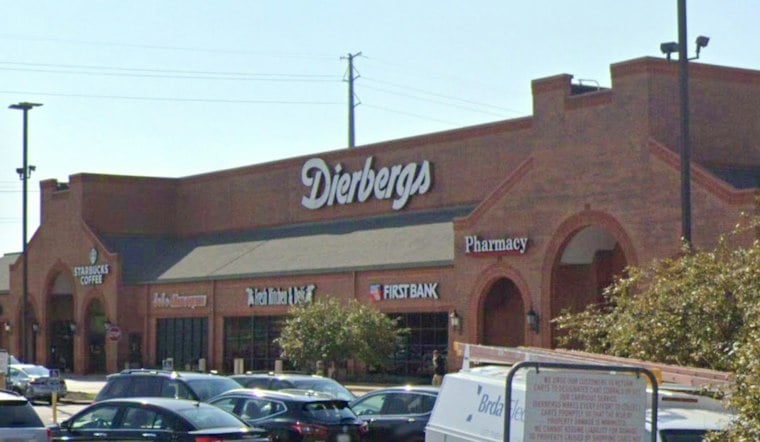
According to St. Louis Post-Dispatch, Cindy Wallace bought the microwaveable mac and cheese at a Dierbergs store in St. Louis County. The product's label claimed it had no artificial preservatives, but its ingredient list included sodium citrate, the sodium salt of citric acid. Sodium citrate can act as a preservative, flavor enhancer, and acidity regulator, and it's commonly used as an emulsifying salt in processed cheese, the outlet reports.
The lawsuit goes further, alleging that Panera used synthetic citric acid rather than citric acid extracted from citrus fruits, per the same account. Wallace's complaint claims synthetic citric acid can cause joint pain, swelling, stiffness, muscular and stomach pain, and shortness of breath.
What the Lawsuit Is Asking For
Panera did not respond to requests for comment, per the Post-Dispatch's reporting.
The case lands in a court system that has gotten tougher on shoppers bringing exactly this kind of claim. Under 2020 amendments to the Missouri Merchandising Practices Act known as Senate Bill 591, plaintiffs and class representatives must prove they acted as a reasonable consumer and show that the business practice in question would mislead a reasonable consumer, according to MVP Law. The amendments also require plaintiffs to prove individual damages.
A Pattern of Preservative Lawsuits Nationally
Wallace's suit fits into a broader wave of litigation targeting food companies over similar labeling. In August, a federal class action known as Lisa v. Unilever was filed in New York challenging no artificial flavors or preservatives claims on Knorr side dishes because their ingredients included sodium citrate and citric acid, according to OpenClassActions. And in October 2025, attorneys filed a federal lawsuit in California against a national snack manufacturer alleging that no artificial preservatives labels were misleading because manufactured citric acid is created through chemical processing involving black mold and industrial solvents, per Crosner Legal.
Federal labeling rules give plaintiffs an opening to make these arguments. Under 21 CFR 101.22, the U.S. Food and Drug Administration defines a chemical preservative as any chemical that, when added to food, tends to prevent or retard deterioration, according to the eCFR. That definition sits at the center of the dispute over whether sodium citrate, typically used by food companies as an emulsifier or acidity regulator, should also count as an artificial preservative on a food label.
Panera's Clean Food Promise Faces Repeat Scrutiny
This isn't the first time Panera's clean-eating branding has drawn a lawsuit. In 2020, Missouri consumer Randall Sally filed a class action in state court alleging that the chain's clean food marketing deceptively claimed menu items were free of artificial preservatives despite containing additives such as citric acid, ascorbic acid, and potassium sorbate, according to Mashed. Sally filed the case in June, and Panera removed it to federal court in August.
Panera has promoted its clean-label identity.
Panera at Home macaroni and cheese is sold in grocery stores.
For now, the mac and cheese case joins a growing docket of consumer lawsuits over what companies can call clean or natural.





