

























































A photo of Stanford senior Billy Ramirez sharing noodles with classmates at a 2024 Lunar New Year dinner ended up on Welcome Home banners across campus this month, except it wasn't really him anymore. Someone had used generative AI to erase Ramirez, a Hispanic student, and replace his image with that of a Black woman, while also slimming down the other students pictured beside him.
The original, unaltered photo was taken by a Stanford photographer during the 2024 event at Stern Dining and had previously appeared in University promotional material, according to the SF Standard. The altered version instead surfaced on banners meant to greet returning students for the autumn quarter, displayed in the Governor's Corner student housing center and around campus, before staff took them down.
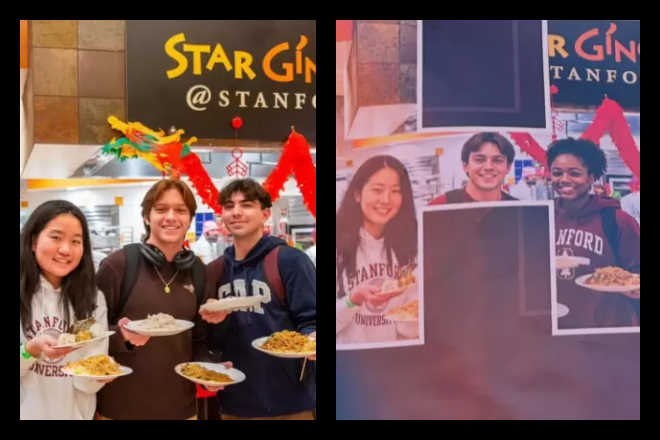
Source: Billy Ramirez
Stanford confirmed the advertisement violated its own generative AI policy, according to Palo Alto Online. That policy requires clear identification of AI-generated or AI-manipulated content whenever leaving it undisclosed could mislead audiences, and it separately bars anyone from creating or publishing AI content that falsely depicts Stanford people, events, research, facilities or achievements. The rules also call for compliance with applicable law and platform policies on synthetic media.
University Response and Staff Retraining
Charlene Gage confirmed the banners featuring the altered image were removed and said the alteration, along with the lack of disclosure, violated Stanford's AI policy, per the same Palo Alto Online report. The university says it plans to provide additional training for staff and to ensure proper review of promotional materials going forward, though the report does not detail what that review process will look like.
The banners were produced by Stanford's Residential & Dining Enterprises department, which had previously used generative AI tools for dining posters promoting meal deals, according to Futurism. That earlier pattern suggests AI tools were already circulating within the department well before the banner incident drew scrutiny.
A Student Publication Breaks the Story
The Stanford Review, an independent student publication, broke the story on September 21 after first detecting the AI alteration.
The Stanford Daily reports that a post about the altered photo went viral on Fizz, an anonymous campus social network, where students criticized the change. The story later drew coverage from the New York Times and San Francisco Chronicle.
Ramirez Speaks Out
Ramirez said the AI editing completely changed his appearance, including his race and gender, and said he was upset about Stanford's choices regarding how he was represented. He told The Stanford Daily he felt exhausted by the national press attention and did not want his Stanford legacy defined as “the AI guy.” The Daily reports that a friend first spotted the edited banner while Ramirez was driving back to campus.
Echoes of a 2000 Admissions Scandal
The incident recalls a 2000 controversy at the University of Wisconsin-Madison, which admitted to digitally superimposing Black student Diallo Shabazz onto an all-white football crowd for an admissions brochure cover, a fix that cost $64,000 to reprint 100,000 copies, according to Snopes. The case involved image manipulation in academic marketing.
Stanford's current AI policy calls for disclosure when undisclosed AI-manipulated content could mislead audiences and bars false depictions of Stanford people, events, research, facilities or achievements, per the Stanford Office of Community Standards.
How Residential & Dining Enterprises came to use generative AI tools internally despite university-wide policy, and what oversight protocols will follow, remain open questions as Stanford moves forward with staff retraining.





