

























































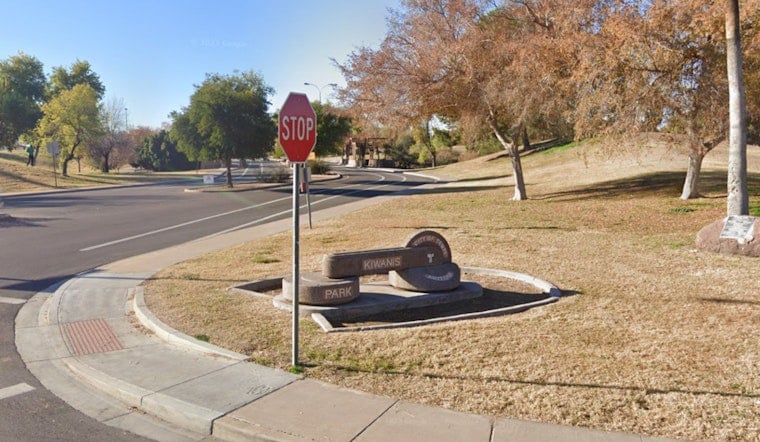
Tempe is turning a quiet corner of Kiwanis Park into what city leaders call the first dementia-inclusive park in Arizona and the country, replacing the former Sister Cities garden off All-America Way with a fenced, sensory-friendly space designed for residents living with memory loss and the caregivers who watch over them. The new Tempe Dementia and Age-Friendly Park will sit southwest of Kiwanis Lake, and it is currently in the design phase, with an opening date still undetermined according to city officials.
Tempe Mayor Corey Woods said the project is first-of-its-kind in Arizona and across the country, according to AZ Family. Woods also said the idea for the park originated with Tempe residents themselves, who raised the concept of a safe outdoor space for community members living with dementia. The park's central location in Kiwanis Park is intended to give greater accessibility to residents across the city, per the same report.
Tempe Councilmember Doreen Garlid, who was the caretaker of her late father when he had dementia, said the park will let people with dementia safely enjoy the outdoors while their caregivers rest and spend time with them, the station notes. Garlid is leading the design efforts alongside fellow Councilmember Nikki Amberg, whose mother was the primary caretaker of her late father with Alzheimer's. Amberg has said the project is deeply personal to her.
What the Design Includes
Early renderings show concrete walking paths marked with stripes to help visitors find their way, along with railings for stability and fencing around the perimeter, according to the article's account. City planning documents describe additional sensory features, including calming landscaping, wind chimes, benches with arm and back rests, a gathering ramada, and ADA-compliant restrooms near the fencing and parking, as detailed by the City of Tempe. Planned amenities also include art sculptures, porch swings, shaded areas, and gardens for both planting vegetables and playing games.
The fencing and enclosed walking loops address a documented safety risk. The Alzheimer's Association estimates that roughly 60% of people living with dementia will wander from home or caregivers at least once, and search-and-rescue research shows most missing dementia patients are found within 1.5 miles of where they left, a statistic Hoodline has previously reported. Tempe plans to gather public feedback on park features as the design moves forward.
A State Facing Rapid Alzheimer's Growth
Arizona's aging residents make up nearly a quarter of the state's population, and the state has about 152,000 people aged 65 and older living with Alzheimer's, according to the Alzheimer's Association. The organization also reports that a share of Arizona residents aged 45 and older experience subjective cognitive decline. Separately, Arizona has been identified as having the fastest-growing rate of Alzheimer's disease in the nation, with diagnoses projected to rise by more than 33% as its older population expands, according to Oakwood Creative Care.
National park usage data highlighted by the city underscores the disparity the project is meant to address: older adults account for 20% of the U.S. population but represent only 4% of park visitors nationwide, per city figures. Public parks have traditionally been designed around active sports and youth activities rather than the cognitive and physical accessibility needs of older adults.
Building on a Decade of Dementia-Friendly Policy
The park builds on a long-running municipal strategy. Tempe became Arizona's first designated Dementia Friendly City in 2016 through a partnership with the Banner Alzheimer's Institute, and it later earned an AARP Age-Friendly City designation in 2022. In June, the city's age-friendly subcommittee presented its 2026–2030 Age-Friendly Action Plan to the City Council, formally placing the dementia-inclusive park under the plan's outdoor spaces and buildings domain before submitting it to AARP, as reported by KJZZ.
Tempe's early adoption has rippled outward across the East Valley. Surprise became Arizona's second Dementia Friendly City in 2019, and Mesa earned its own Dementia Friendly certification in 2022, KJZZ reports. Beyond the park itself, Tempe was also awarded an AARP Community Challenge Grant this year to run educational home safety modification workshops for memory care caregivers and distribute door alarms meant to prevent wandering at home, according to the AARP Livable Communities Map.
Funding and Repurposing the Old Garden
The former Tempe Sister Cities garden that once occupied the site has been relocated, with its plaques and displays now housed at the Tempe Public Library. Local architecture firm Architekton is donating all of the park's design costs, while the city is drawing on capital funds, public and private donations, and grant funding backed by its municipal Capital Improvements Plan to cover construction. Tempe is also partnering with Tempe Diablos Charities, which will soon begin accepting public donations for the project, AZ Family reports.
For now, the project remains in design, and city officials say the opening timeline has not yet been determined. Garlid and Amberg's work leading the design process continues alongside the public feedback the city plans to collect on park features, as the Tempe Dementia and Age-Friendly Park moves toward becoming, in officials' words, a resource meant to serve both people with dementia and Arizona's broader aging population.





