

























































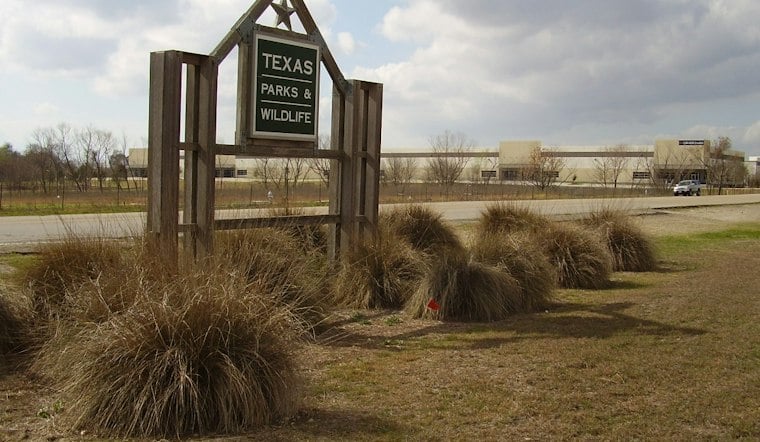
Texas Parks & Wildlife announced the launch of the Texas Buffalo Soldiers Heritage Trail, a new statewide tourism experience honoring the lasting impact of African American soldiers who served along the Texas frontier in the 19th century. The department will mark the occasion with a public celebration at Abilene State Park on September 26, featuring living history encampments, guided hikes, and presentations inside the park's historic Civilian Conservation Corps concession building.
The announcement came Friday via Texas Parks & Wildlife
's social media feed, inviting the public to join the celebration of the trail's launch. Behind the social post is a much longer collaboration: the Texas Historical Commission and Texas Parks & Wildlife Department launched the trail's companion microsite on TexasTimeTravel.com back in February 2026, digitizing decades of historical research and corridor maps for public use, according to a
Texas Historical Commission
bulletin. The online platform lets self-guided travelers trace 19th-century military routes across the state from their phones or computers.
Fifteen Corridors Stretch From the Rio Grande to the Panhandle
The trail itself is a sprawling undertaking. It organizes historical sites and state parks into 15 geographic corridors, each 50 to 100 miles wide, connecting locations from Brownsville and New Orleans across West Texas to the Panhandle and El Paso, per the historical commission's Texas Time Travel site. Many modern Texas highways, the commission notes, trace the exact military routes established in the 1800s.
The initiative did not appear overnight. House Resolution 1611, introduced two decades ago, supported the parks department and the historical commission in creating the trail across 12 initial corridors and two supplemental routes, according to Texas Legislature Online. That resolution reflected an effort by state lawmakers to emphasize minority contributions to Texas frontier history.
A Program Rooted in the 1990s Outreach Movement
The parks department also operates a Buffalo Soldiers Heritage and Outreach Program. The corridor-mapping project is now reaching Texans through this month's public launch.
State law has also cemented an annual observance tied to the same history. Texas Senate Bill 1457 formally designated July as Buffalo Soldiers Heritage Month statewide, prompting annual educational encampments and historical reenactments at state parks, according to the historical commission. Each July, state parks host specialized living history demonstrations to mark the observance, separate from the new trail's fall launch celebration.
Who the Buffalo Soldiers Were
The history being honored includes the first all-Black peacetime regiment established under the Army Organization Act of 1866, according to the Howard County Center of African American Culture. Newly freed African Americans joined these segregated regiments during the Reconstruction Era.
Among the figures likely to feature in the trail's living history presentations is Cathay Williams, who enlisted in 1866 under the pseudonym William Cathay, becoming the only documented African American woman to serve in the U.S. Army during the Indian Wars and the only known female Buffalo Soldier, per the U.S. National Park Service. Williams passed as a male soldier for two years before her true identity was discovered during a medical examination.
More Roadwork Than Combat, Historians Say
Much of the daily reality for frontier troopers looked less like the battlefield and more like a construction site. Texas Parks & Wildlife historians report that 19th-century Buffalo Soldiers stationed along the Texas frontier spent significantly more time constructing roads, stringing telegraph lines, and rebuilding forts than engaging in active combat, according to the Copperas Cove Leader-Press. Those infrastructure projects helped lay the foundation for modern West Texas transport networks — the same routes the new heritage trail now retraces for tourists.
Still, when combat did come, the record was notable. Buffalo Soldiers served on the frontier amid systemic racism. They are remembered by the name Buffalo Soldiers.
The legacy the trail commemorates is also relevant to Texas communities beyond tourism circles.
The September 26 celebration at Abilene State Park will give the public an opportunity to learn about the trail in person, combining the department's decades of research with a hands-on introduction to the corridors, encampments, and history now cataloged for travelers across the state.





