

























































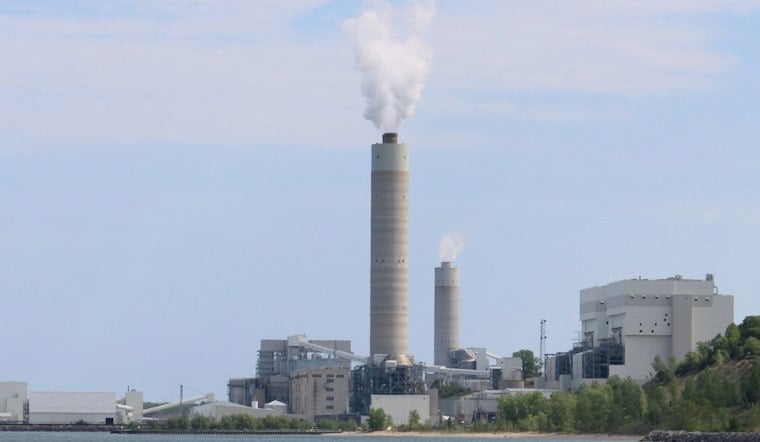
Republican gubernatorial candidate Tom Tiffany is calling for Wisconsin to lean harder into nuclear power and keep some coal-fired plants running, arguing the moves would ease pressure on utility bills that have already climbed among the highest in the region. Tiffany unveiled the energy plan as part of his campaign for governor, framing it around affordability and reliability at a moment when We Energies and Wisconsin Public Service are seeking rate increases that could push typical residential electric bills up more than 14% by 2028.
According to the Milwaukee Journal Sentinel, Tiffany is urging Wisconsinites to embrace nuclear power while also saying he wants to maintain some of the state's coal-fired energy production. The congressman has also taken the fight to Washington: in a letter cited by his office, Tiffany argued Wisconsin should keep all current power plants online while bringing new generation online, pointing to coal, natural gas and nuclear power as reliable, low-cost options, per Representative Tom Tiffany's own release.
A Plan Built Around Baseload Power and Utility Profits
Tiffany's campaign says he would stop the premature closure of dependable baseload generation and work to remove regulatory barriers to new nuclear development, including advanced and small modular reactors, according to wispolitics.com. He is also proposing to lower the guaranteed return on equity currently authorized for the state's major investor-owned utilities, which his campaign put at about 9.8%, and to require Public Service Commission members to observe a cooling-off period before taking jobs with utilities or transmission companies they once regulated.
The candidate said he would appoint PSC commissioners who prioritize affordability and reliability, the site notes. Speaking at the Hot House Tavern in Menomonee Falls, Tiffany blamed higher rates in part on utilities shutting down traditional power plants and replacing them with wind and solar, as reported by Fox6 News. The same rally drew coverage from the Green Bay Press Gazette, which reported that average residential electricity rates in Wisconsin sat at about 19.06 cents per kilowatt-hour in July, roughly a cent above the national average of 18.31 cents.
Nuclear Deals and a Delayed Coal Retirement Already Underway
Wisconsin's utilities are already moving in the nuclear direction Tiffany is campaigning on. We Energies signed a new 20-year agreement in August to purchase electricity from the Point Beach nuclear plant in Manitowoc County, and if regulators approve the deal, the company would buy 86% of the plant's energy for another two decades, according to Wisconsin Watch. The utility and Energy Solutions are also awaiting Nuclear Regulatory Commission approval to restart production at the decommissioned Kewaunee Power Station, the outlet reported.
On the coal side, We Energies is keeping two aging coal-fired units at its Oak Creek Power Plant running through the end of 2026, a year longer than originally planned. The utility said the delay responds to tightened energy-supply requirements and an effort to boost reliability, per Wisconsin Public Radio. Parent company WEC Energy Group has otherwise moved its target for ending coal use up from 2035 to 2032, the station noted.
Data Centers Driving a Surge in Projected Demand
The debate over baseload power comes against a backdrop of sharply rising demand forecasts. Wisconsin Public Radio reported that peak electricity demand in the state is expected to grow from 14.2 gigawatts to more than 20 gigawatts by 2032, a jump of more than 40 percent, with more than 72 percent of that projected load tied to three active data center developments.
Other estimates of that demand growth vary slightly in their timeframes. A draft PSC report cited by Wisconsin Watch projected peak demand would rise 40% over the next five years, while a separate report from the American Prospect described the same trend as a more than 40% jump over six years driven largely by data centers.
Tiffany Takes Aim at Crowley's Climate Record
Tiffany has criticized his Democratic opponent, Milwaukee County Executive David Crowley, over the county's climate commitments. His campaign said Crowley signed Milwaukee County's Climate Action 2050 plan in 2025 with an estimated $441 million price tag, according to wispolitics.com, though Milwaukee County's own government website states that Crowley signed the Climate Action 2050 plan on April 1, 2026, aimed at achieving net-zero carbon emissions in county operations by 2050. Milwaukee County's public records and presentations regarding the plan also mention the $441 million cost estimate.
Fox6 News reported that both gubernatorial candidates have been laying out competing cost-cutting proposals, with Crowley emphasizing health care costs and Tiffany focused on utility bills. Tiffany's campaign has also pointed to history for comparison, saying the PSC approved approximately $300.1 million in utility rate increases during a comparable period when appointees of former Gov. Scott Walker held the commission's majority, per wispolitics.com.



