

























































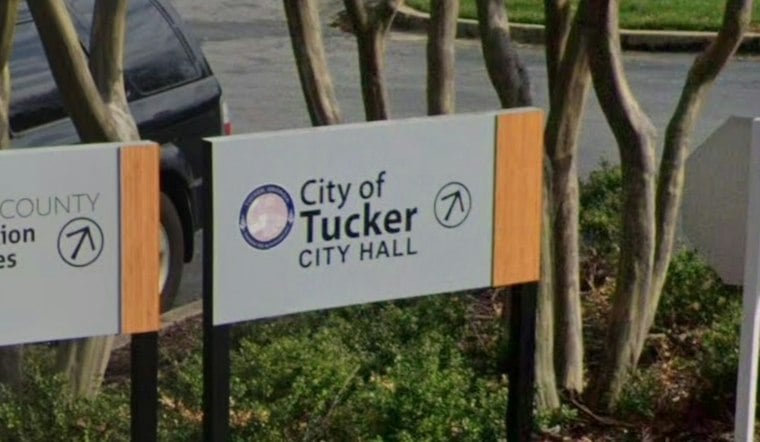
Selling puppies out of a car trunk in a Tucker parking lot will now cost you. The Tucker City Council unanimously passed an ordinance this month banning the public sale of dogs, cats and domestic rabbits in unregulated outdoor spaces, arming local code enforcement with the power to fine violators as much as $500 per animal.
According to WSB-TV, the legislation specifically targets so-called transient pet sales — animals sold in parking lots, along roadsides and in other public areas where buyers often know little about where the pets came from. The Tucker City Council approved the ban on September 14 following a first reading on August 10, under sponsorship from Mayor Anne Lerner and Councilmember Roger Orlando, according to Rough Draft Atlanta. City officials had worked on the measure for months, with the ordinance first presented to the council back in March, per the station's report.
Tucker's code enforcement department can now cite violators directly, closing a gap that had made the state's own pet-sales ban difficult to enforce locally. Under a related Georgia law, O.C.G.A. § 4-11-10.1, the state has banned transient animal sales since July 2025, and the statute authorizes state or local animal-control officers, sheriffs, deputies and other peace officers to enforce it, according to the Georgia Pet Coalition.
Fines Escalate for Repeat Offenders
Tucker's ordinance counts each animal sold as a separate violation, according to WSB-TV's report. A first offense carries a $100 fine per animal, a second violation jumps to $250, and repeat violators could face fines of up to $500 per animal for subsequent offenses, the station notes.
The ordinance covers dogs, cats and domestic rabbits, and validly licensed animal shelters are exempt under state law, according to the Georgia Pet Coalition. That carve-out is meant to distinguish legitimate shelter operations from unregulated dealers operating out of parking lots.
Overflowing Shelters Drive the Push
Tucker resident Dana Davis, who supported the measure, said public pet sales can involve animals whose origins are unknown and that impulse purchases from transient sellers often end up surrendered to already crowded county shelters, per WSB-TV. Davis said she hopes the ordinance will reduce shelter intake and increase adoptions for animals already waiting for homes.
DeKalb County's animal shelters have seen increasing annual intake, and the station reports shelters in the county euthanize animals every week. The DeKalb County Animal Services shelter was too small and regularly housed more than 700 animals while processing an annual intake of nearly 9,000 pets, according to LifeLine Animal Project.
Part of a Wider Regional Effort
Mayor Lerner said cities across DeKalb County and the broader metro area should adopt similar local bans on transient pet sales, according to WSB-TV. With its September 14 vote, Tucker became the 20th Georgia jurisdiction to pass a public pet sales prohibition, joining neighboring DeKalb cities including Brookhaven, Chamblee, Doraville and Dunwoody, the Georgia Pet Coalition reports.
Tucker's new rule also complements a countywide breeding crackdown. DeKalb County passed Georgia's first Pet Litter Registry Ordinance in May 2025, which took effect this past January and requires all owners of dogs, cats and rabbits to register litters within 21 days of birth while capping non-licensed breeding at one litter per 12 months, according to WABE. Presiding Officer Long Spears has said unregulated pet breeding costs DeKalb County taxpayers more than $11 million annually in impoundment, shelter care, transportation and euthanasia services.



