

























































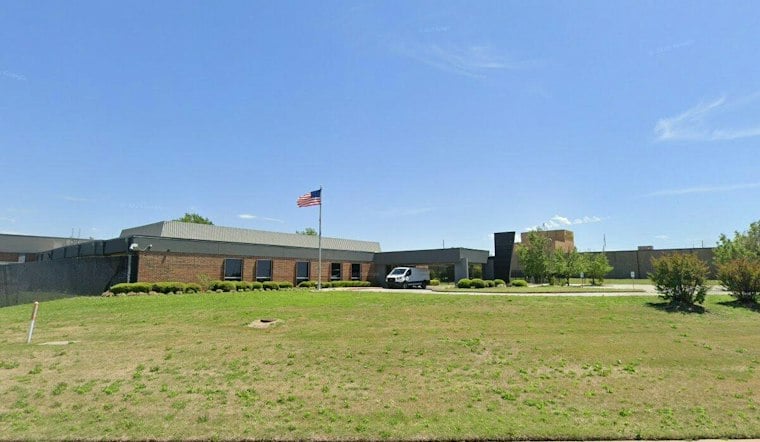
Tulsa County election officials are moving and combining polling precincts across the county as a growing number of churches and schools refuse to host voting on their property, a shortage that has already forced more than 126,000 voters to change polling locations over the past four years. With the November 3 general election approaching, the county is now leaning on a new state law to compel some public buildings to open their doors when no other suitable site can be found.
The scope of the problem is stark: roughly 1 in 3 Tulsa County voters currently cast ballots outside the boundaries of their home precinct, according to News On 6. Churches remain the most common polling locations in the county, but more of them are declining assignments, while schools are allowing elections on campus less often because of security concerns, per the same report. Polling site hosts receive $50 to offset the cost of opening their space on election day, the station notes.
A New Law Aims to Force the Issue
Help may be on the way from the state capitol. Senate Bill 1286 amends state election law to require qualifying political subdivisions that held an election conducted by a county election board on or after January 1, 2023, and own, rent, or lease a facility in or near a precinct without a suitable polling place, to furnish the facility at no cost when the county election board requests it in writing. School boards may provide a facility, while governing boards are subject to the shall-furnish requirement, according to BillTrack50. The law takes effect in November 2026.
That marks a real shift from the status quo. The measure changes statutory references to a board of education or municipality, according to official Oklahoma Statutes. Gwen Freeman mailed a letter detailing the new requirements to affected political subdivisions and said some of them may need to help locate polling places as early as the November 3 election, the same account states.
Combining Precincts to Cover the Gaps
Until SB 1286 fully kicks in, the county's main tool has been consolidation. The Tulsa County Election Board is combining some precincts into single polling locations, and has already merged four precincts at Nienhuis Park in Broken Arrow, per News On 6's reporting. Any site has to meet baseline requirements — enough parking, ADA-compliant access, and space large enough to hold the election — that not every building can clear.
Tulsa County has 251 precincts and roughly 400,000 registered voters to serve, and each precinct needs at least three election officials, meaning the county needs a baseline workforce of more than 750 poll workers for every major election day, according to the Tulsa Regional Chamber. To help close that gap, the election board partnered with the chamber and local political parties to launch the Adopt A Precinct program, which encourages area businesses to give employees paid release time to serve as precinct officials on election day. State lawmakers have also sweetened the deal for workers themselves: beginning July 1, 2024, Oklahoma raised precinct poll worker stipends from $100–$110 per day to $200–$225 per day to combat chronic staffing shortages, according to the Tulsa Area United Way.
When Moving a Site Means Moving Outside the Precinct
News On 6 reported that many Tulsa County voters cast ballots outside their home precincts, a consequence of the precinct-location shortage.
The county election board has not yet announced early voting locations for the November 2026 election, but plans to do so within the next week, per News On 6.
Schools have allowed elections on campus less often because of security concerns.
With SB 1286 not fully in force until November, Tulsa County officials are working through what amounts to a transitional stretch — combining precincts, courting reluctant hosts, and hoping the new law smooths things out before the next major election cycle.





