

























































A seasonal rescue effort
Cape Cod’s cold-stunned sea turtle response begins when ocean temperatures fall below about 55 degrees Fahrenheit, usually between November and mid-January, according to Mass Audubon. The organization says warming conditions have allowed turtles to travel farther north, while some juvenile turtles become stranded as they try to leave Cape Cod waters. Climate change is contributing to the increase in these strandings, Mass Audubon says.
The rescue system handled nearly 500 live patients for the New England Aquarium during the 2025 season, which ran from early November through late December. Most were Kemp’s ridleys rescued on Cape Cod by Mass Audubon staff and volunteers and then treated at the Aquarium’s Sea Turtle Hospital in Quincy, according to the New England Aquarium.
A growing conservation challenge
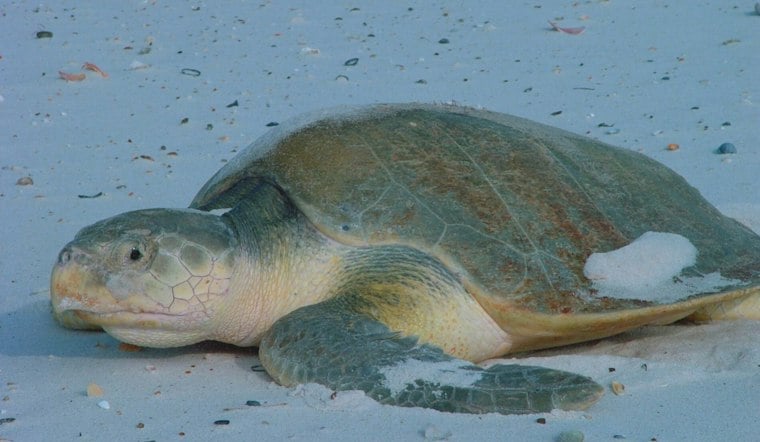
A New England Aquarium-published study found that 7,802 cold-stunned sea turtles stranded in Massachusetts from 2008 through 2022, including 5,028 found alive, and reported that annual stranding numbers increased over that period. Kemp’s ridleys accounted for 87% of the strandings, compared with 8.2% for loggerheads and 4.5% for green turtles. NOAA Fisheries lists the Kemp’s ridley as endangered under the federal Endangered Species Act and says bycatch in commercial and recreational fishing gear remains the species’ biggest threat.
Two patients with different recoveries
The season’s final two patients have now returned to the water. Young Frankenstein and Shelley Volante entered Nantucket Sound from West Dennis Beach on Tuesday, about nine months after they were found on Cape Cod with hypothermia-related conditions, the Aquarium reported.
Young Frankenstein had a hypoxic brain injury and spent seven months in rehabilitation, receiving medication and other supportive care. Veterinarians later used hyperbaric oxygen therapy at Advanced Veterinary Specialty Center of New England, placing the turtle in a chamber at two to three times normal air pressure. The Aquarium said the two-week treatment was followed by improvements in navigation and feeding, allowing the turtle to be cleared for release.
The Aquarium described the treatment as the first documented use of hyperbaric oxygen therapy for a hypoxic brain injury in a sea turtle. That claim and the reported response to treatment come from the Aquarium’s release, not independent medical reporting.
Shelley Volante followed a different path to recovery. The turtle was treated for sepsis, a bone infection and inflammation affecting muscle and fat; advanced imaging helped identify the problems, and veterinarians performed surgical joint debridement. After further treatment, the Aquarium said Shelley was healthy enough to return to the ocean with Young Frankenstein.
Preparing for the next season
The two releases end the Aquarium’s 2025 rehabilitation cycle, but staff are already preparing for another influx. The Aquarium expects the next cold-stunning season to begin this fall when Cape Cod Bay reaches the 55-degree threshold, according to its account. Mass Audubon says the turtles most often affected are juvenile Kemp’s ridleys, though green and loggerhead turtles also strand in the region.





