

























































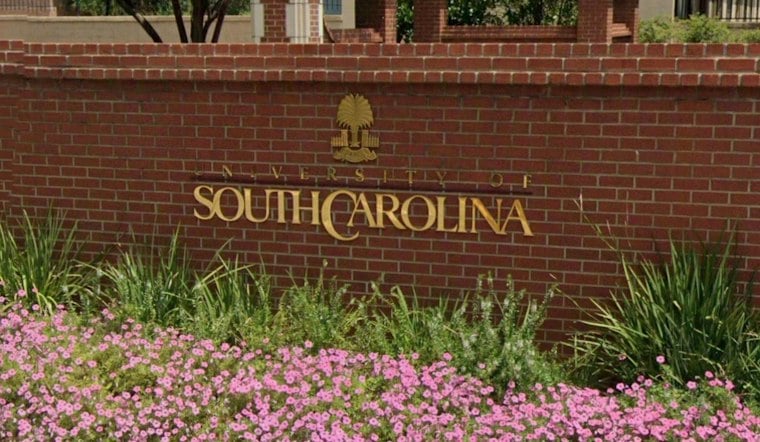
A funding gap could limit access to dual enrollment through the University of South Carolina's Palmetto College. The college says it may stop accepting South Carolina high school students unless the state provides additional taxpayer funding. About 4,300 juniors and seniors currently take Palmetto College dual enrollment courses, which help students save on college costs and enter the workforce faster after graduation.
State lottery-funded support per dual-enrollment credit hour has fallen from $110 in 2019 to $75, a 32% decrease, while Palmetto College's dual enrollment numbers have climbed 55% since 2019. Those students now make up 65% of its overall student body, according to Greenville Business Magazine. Chancellor Craig Wilson has said state support is important to keeping the courses affordable and sustaining the program's access for high school students.
What Lottery Tuition Assistance Covers
The South Carolina Department of Education describes Lottery Tuition Assistance as available to South Carolina residents attending a two-year public or private institution. That gives the program's broad institutional eligibility; the per-credit award changes cited above are reported by Greenville Business Magazine.
A Widening Gap Between Technical Colleges and USC's Regional Campuses
Founded in 2013, Palmetto College connects students with USC's four two-year campuses in Allendale, Lancaster, Sumter and Union, as well as 30 online degree programs that let students convert associate's degrees into bachelor's degrees. It serves working adults and high school students, including some who take classes at their high schools. Greenville Business Magazine reported that Palmetto College plans to seek an increase to the state's $75 dual-enrollment payment, but has not settled on how much additional funding to request.
The state payment covers only part of Palmetto College's costs: the college typically charges $300 per credit hour, leaving it to absorb the difference. South Carolina's 16 technical colleges, by comparison, teach about 22,600 dually enrolled juniors and seniors — roughly 65% of the state's dual enrollment population — and receive $3 million annually from the legislature, distributed across the system's 16 schools, Greenville Business Magazine reports.
Technical Colleges Get Scholarships Universities Cannot Access
Technical college students can also qualify for the South Carolina Workforce Industry Needs Scholarship, known as SC WINS. Under S.C. Code § 59-150-365, it may cover up to $5,000 per academic year for tuition and instructional course fees and is limited to technical college students in critical workforce fields, according to York Technical College. More than 75% of dual enrollment students at technical colleges receive scholarships covering full tuition, and K-12 school districts contributed additional funding in 2025 to fill scholarship gaps at about half the state's technical colleges, per Greenville Business Magazine's reporting.
Four-year colleges, meanwhile, receive no state scholarship support for dual enrollment at all. Eight of South Carolina's 13 public four-year colleges offer dual enrollment, but they enroll fewer than 2,000 dual enrollment students combined statewide. Eight of 21 private colleges also offer it, enrolling fewer than 1,700 high schoolers combined. Some schools have found workarounds: Lander University and USC's campuses in Aiken, Beaufort and Spartanburg offer free or reduced tuition to dual enrollment students, though each of those programs enrolls fewer than 500 students and makes up less than 10% of their student bodies. Francis Marion and Winthrop universities partner directly with local school districts to provide free enrollment to those districts' students — a model similar to Winthrop's satellite campus arrangement with the Town of Fort Mill, previously covered by Hoodline.
Why Rural Districts Can't Just Fill the Gap
Palmetto College has considered similar district-funding arrangements but backed away from them, since its campuses serve predominantly rural areas where school districts lack the economic and tax bases to contribute more funding. Separately, USC Union requires high school concurrent applicants to have a 3.0 GPA, according to the University of South Carolina Bulletin. South Carolina's Lottery Tuition Assistance Program also requires students to register for at least six credit hours in a single semester to qualify for state dual enrollment tuition aid, per the Legal Information Institute.
Lawmakers are beginning to take notice of the oversight gap, if not the funding gap. In January, South Carolina lawmakers introduced House Bill 4984, the South Carolina Dual Enrollment Opportunity Act, which would create a uniform statewide dual enrollment framework and mandate compliance audits for public four-year universities and USC's two-year regional campuses starting in July 2027, according to legislative filings tracked by FastDemocracy.
Credits Still Transfer, But the Cost Burden Remains
Despite the funding fight, the academic value of Palmetto College's dual enrollment credits remains intact. Under the Commission on Higher Education's Statewide Articulation Agreement, 86 core general education courses completed at public two-year colleges, including USC's regional campuses, are guaranteed to transfer to any public four-year university in the state. S.C. Code § 59-59-210 concerns articulation agreements, according to FastTrack Advising.
In the meantime, individual Palmetto College campuses have tried to soften the blow with their own initiatives, such as USC Salkehatchie's $500 Spring Start Scholarship for Allendale and Colleton county residents with a 2.0 GPA or higher. Whether the state legislature moves to close the broader funding gap between technical colleges and university-track dual enrollment — or whether rural high schoolers ultimately lose access to programs like Palmetto College's — remains an open question as lawmakers weigh reforms in the coming session.





