

























































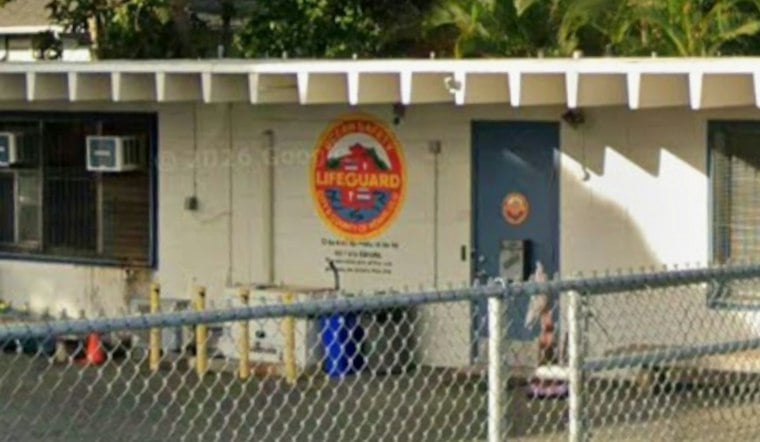
A middle-aged man pulled from the water near Waikiki's Lifeguard Tower 2B on Saturday had no pulse and wasn't breathing when rescuers reached him, but he was alive and breathing again by the time paramedics arrived. Honolulu Ocean Safety Department crews responded near the tower, found the man unresponsive, and immediately began resuscitation efforts that included multiple shocks from an automated external defibrillator.
The rescue was reported by Hawaii News Now, which detailed how lifeguards used the AED on the man before he regained a pulse and began breathing again. Lifeguards continued to treat him until Honolulu EMS arrived and took over his care, according to the outlet's report. The incident occurred near Waikiki's Tower 2B.
Following the incident, Ocean Safety reminded beachgoers to stay aware of ocean conditions, remain within their own abilities, and seek help from lifeguards when needed, the station's report noted.
A Department Built for Rapid Response
The rescue showcases the operational muscle behind an agency that only recently became its own city department. Honolulu Mayor Rick Blangiardi signed a resolution in May 2024 to separate Ocean Safety from Emergency Medical Services and establish it as an independent, standalone department, a status voters later codified in November 2024, according to the City and County of Honolulu. Before that, Ocean Safety had operated under the umbrella of Honolulu's Emergency Services Department alongside ambulance operations.
That new independence comes with fresh leadership. The Honolulu Ocean Safety Commission named 20-year lifeguard veteran Kurt Lager as the department's first official Chief of Ocean Safety in December 2025, a role that carries a chief executive salary of $201,984 and oversees operations across the island's beach towers and mobile rescue units, according to Firehouse. The following month, 31-year ocean safety veteran Jimmy Barros was appointed as the department's first-ever Deputy Chief, a position created to streamline field reporting, emergency communications, and islandwide training coordination, as Hoodline reported in Honolulu's first deputy chief pick.
Waikiki's High-Traffic Waters Demand Constant Vigilance
Honolulu Ocean Safety guards roughly 227 miles of Oahu's coastline from 43 active lifeguard towers, typically rescuing thousands of people and conducting more than 1 million preventive actions in a given year, per Firehouse's reporting. Waikiki Beach itself tends to see about three rescues a day under normal conditions, though major south swells can send that number soaring — an August swell triggered 144 rescues and 2,850 preventive actions in the Waikiki and Ala Moana sector in a single day, according to Hoodline's coverage of that swell-driven rescue surge.
Visitors to Hawaii's beaches face ocean risks. That risk underscores why quick lifeguard intervention — like the AED deployment near Tower 2B — matters so much in a destination that draws heavy visitor traffic to its beaches.
Not the First Save on This Stretch of Sand
Saturday's rescue echoes a similar life-saving effort just a few months earlier. In March, Honolulu Ocean Safety lifeguards at nearby Kuhio Beach performed CPR on an unresponsive 76-year-old woman pulled from the surf before handing her off to EMS care, Hoodline reported in its coverage of the Kuhio Beach rescue. In the Tower 2B incident, the handoff moved from beachside treatment to EMS care once paramedics arrived.
The presence of trained lifeguards can be critical in an emergency.





