

























































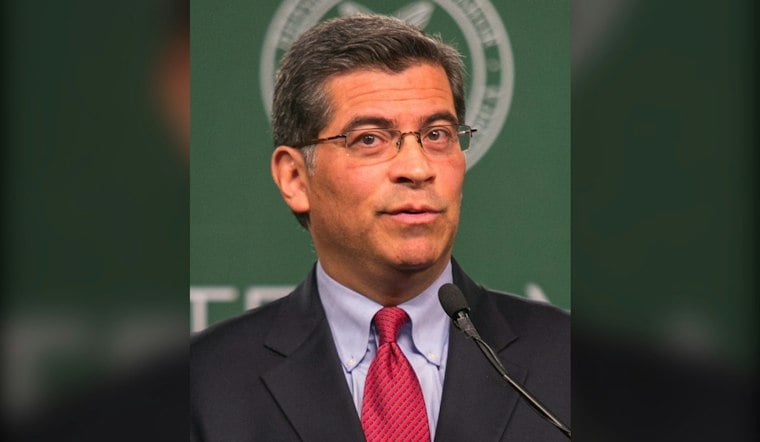
A Public Policy Institute of California survey conducted Sept. 4–10 among 1,103 likely voters found Xavier Becerra leading Steve Hilton 60% to 38% in the race to succeed Gavin Newsom, according to the New York Post. The 22-point gap is a measure of voter preference during the survey period—not an election result or a guarantee of the November outcome.
A survey snapshot, not a forecast
The poll was conducted online in English and Spanish by Ipsos through KnowledgePanel. Its likely-voter results came from 1,103 respondents, while the broader survey included 1,745 California adults. That distinction matters: likely-voter screens and turnout assumptions can affect results, particularly in a state where participation varies across election cycles and voter groups.
The matchup also sits within California’s unusual electoral structure. Voters approved Proposition 14 in June 2010, creating a top-two primary in which the two candidates receiving the most votes advance to November, according to the Public Policy Institute of California. The system can produce general-election contests between candidates from the same party; PPIC reports that at least 18 such state legislative or congressional races have occurred in every fall election since the reform took effect.
The electorate behind the numbers
The survey reported Becerra support from 93% of Democrats and 57% of independents, while Hilton received 92% support among Republicans, according to the Post’s account. Those partisan figures provide context for the topline but do not establish turnout or determine how undecided voters will break. Registration data offer a broader baseline: the California Secretary of State listed 23,092,098 registered voters out of 27,225,259 eligible voters as of Dec. 30, 2025, an 84.82% registration rate, in its 154-day report.
The same Secretary of State comparison shows that total registration rose from 22,005,243 in the comparable January 2022 report to 23,092,098 in December 2025, while the share of voters registered with no party preference declined from 22.90% to 22.65%. Those changes describe the electorate’s composition, but they cannot by themselves predict who will vote or which candidate will prevail.
Why affordability remains central
Housing costs give the campaign’s affordability debate a measurable backdrop. The California Legislative Analyst’s Office says mid-tier homes cost about $775,000—more than twice the typical mid-tier U.S. home—and estimates that about 44% of California households would likely qualify for a bottom-tier home mortgage in 2026, down from about 57% in 2019. The figures come from the office’s analysis of California’s housing market.
That pressure helps explain Hilton’s focus on cost of living and Becerra’s housing remarks, but it does not explain the full poll margin.
For now, the clearest conclusion is narrower: Becerra held a substantial lead in one September likely-voter survey. Whether that advantage survives additional polling, changing campaign conditions and November turnout remains unknown.





