

























































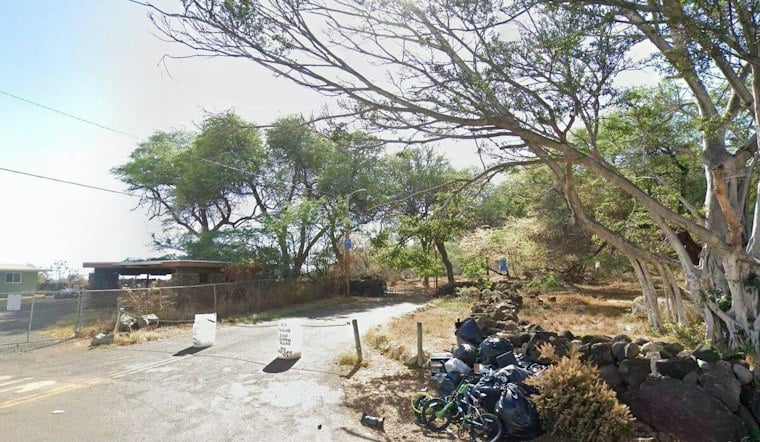
Bill 31 (2026) would establish a formal process for individuals or organizations to help steward eligible cultural sites in Honolulu public parks. The measure would add cultural-site stewardship to the Department of Parks and Recreation’s public parks program and authorize the department to approve or reject applications. The City Council passed the bill on September 9, 2026, and it was headed to the mayor’s desk, according to Aloha State Daily.
The proposed process would apply to a “Cultural Site” recorded with the State Historic Preservation Division under Hawaii Revised Statutes Chapter 6E and recognized as historically, culturally, or spiritually significant, according to the Honolulu City Council measure. Applicants would submit their qualifications and a draft stewardship plan. The plan could address site boundaries, permitted and prohibited conduct, cultural-access procedures, signs, and educational programs. DPR would consider an applicant’s community-engagement experience, and applications should include community stakeholders.
The bill also envisions DPR and approved stewards developing site plans with historic-preservation authorities, cultural practitioners, and relevant city or state agencies. The proposed structure would define responsibilities for cultural places in parks without transferring the city’s overall management role. The measure therefore raises a practical question beyond its passage: how would DPR balance formal oversight with community groups that are already caring for sites? Whether the mayor signs the measure, and how the department would administer the program, remains unsettled.
A proposal rooted in Waiʻanae
Kingdom Pathways, a nonprofit co-founded by Carmen Guzman-Simpliciano and Joseph Simpliciano Jr., has stewarded Kūʻīlioloa Heiau at Pōkaʻī Bay Beach Park since 2021. The organization proposed a city framework after identifying what it viewed as a gap in how cultural sites in public parks were protected. Councilmember Andria Tupola sponsored Bill 31; Aloha State Daily reported that she cited continuing vandalism at the site when introducing it.
Aloha State Daily reported that recent problems described by Kingdom Pathways included missing educational signs, dirt bikes, litter, fires, climbing, inappropriate photography, and removal of stones. The nonprofit has replanted native vegetation after damage and rebuilt part of the heiau after stones were taken from its walls. Kingdom Pathways also provides instruction on native plants, care for the ʻāina, and protocols for entering a heiau at Pōkaʻī Bay.
The police record presented in that reporting is narrower than the nonprofit’s account. In a September 15, 2026, email, Honolulu Police Department spokesperson Gail Beckley said HPD had documented no damage-type reports involving the heiau from January 2025 through the date of the email. She said officers had responded to damage reports involving the park’s bathroom area and playground equipment, according to Aloha State Daily.
The site and its stewardship history
Kūʻīlioloa Heiau stands on Kāneʻīlio Point and is described as a traditional center for navigation, fishing, and other ocean-related learning. The site has three terraced stone platforms and is bordered by water on three sides, according to To-Hawaii.com. Historical accounts place its construction in the 11th or 12th century and associate its name with the demigod dog Kū, according to that source and Images of Old Hawaiʻi.
Pōkaʻī Bay was previously known as Māʻalaea or Nēneʻu and was later associated with the voyaging chief Pōkaʻī, whom Hawaiian tradition credits with bringing the first coconut grove to the Waiʻanae coast, according to Images of Old Hawaiʻi. The heiau was damaged when a World War II concrete bunker was built at the point and underwent community restoration in the late 1970s, according to Hawaii-Aloha.com.
The Royal Order of Kamehameha I, Moku o Kapuāiwa Chapter, and the Aila ʻOhana also steward the site. Kingdom Pathways helped promote the name Kūʻīlioloa Heiau after community input and historical documentation, according to Aloha State Daily’s reporting. The group’s other work includes serving as Regional Facilitator for the Pili Nā Moku Waiʻanae Coastal Mapping initiative, where it assists with shoreline-adaptation planning, according to its project report.
Questions from another Waiʻanae site
The proposed application requirement has drawn reservations from Malama Rising, which works at the Mauna Lahilahi Cultural Garden in Waiʻanae. Adam Wayson, who became involved with the group’s work there in 2020, said the organization has helped clean the area, restore native plants, and advocate for improved stewardship, according to Aloha State Daily.
Wayson’s concern, as reported by that outlet, is that requiring groups already doing the work to seek approval could be discouraging and would give DPR substantial authority over existing community efforts. Mauna Lahilahi contains a heiau, petroglyphs, archaeological findings, and iwi kūpuna. City Council Resolution 26-65 separately urged the administration to update, activate, and implement the site’s long-standing master plan.
A longer-running stewardship question
Questions about how community-based stewardship should be structured did not begin with Bill 31. A 2010 City and County of Honolulu planning report for Waiʻanae recorded questions about such a group’s authority, funding, and staffing, including whether it would mainly rely on volunteers, according to the Department of Planning and Permitting. The report provides historical context for the current debate, while the materials cited here do not specify which improvements in the Mauna Lahilahi master plan remain unfinished.
The competing views leave the central policy question unresolved: whether formal city approval would improve coordination and protection or place too much control over community stewardship in a department that has not yet explained how the proposed program would operate. Bill 31’s next step is the mayor’s decision; until then, it remains a proposed framework rather than a new city law.




