

























































Hunter Ellett’s case involved seizures and successful brain-tumor removal, offering one example of pediatric neuro-oncology care in Atlanta, but it does not describe every child’s diagnosis, treatment or prognosis.
A centralized pediatric cancer campus
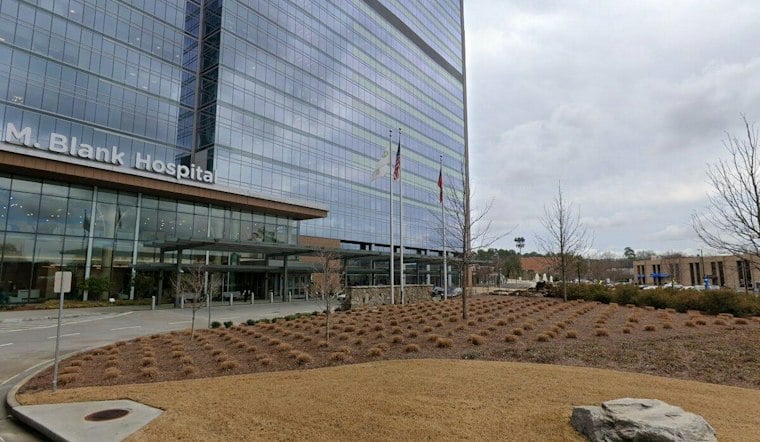
The care described in the report took place within Children’s Healthcare of Atlanta’s system. When Arthur M. Blank Hospital opened on Sept. 29, 2024, clinical services moved from Egleston Hospital, while the Aflac Cancer and Blood Disorders Center consolidated cancer and blood-disorders services from the Egleston and Scottish Rite campuses at the new facility, according to Children’s Healthcare of Atlanta.
The hospital is a 19-story, 2-million-square-foot facility at the corner of I-85 and North Druid Hills Road in Atlanta, the health system says. The health system lists neurosciences and other specialties. That setting provides context for Hunter’s treatment, while his tumor type, the extent of disease, the treatments he received beyond surgery and his long-term follow-up plan remain undisclosed.
The broader pediatric brain-tumor picture
Childhood brain and other nervous-system tumors are uncommon. The National Cancer Institute’s SEER Cancer Stat Facts reports an incidence rate of 2.7 new cases per 100,000 children ages 0 to 19 per year, based on cases diagnosed from 2019 through 2023: NCI SEER data.
A child’s outcome cannot be inferred from another child’s recovery. The National Cancer Institute says treatment and prognosis depend on a tumor’s histology, location and extent of spread: NCI’s childhood brain-tumor treatment summary. Those differences are why Hunter’s reported improvement should be understood as an individual outcome, not a general survival measure.
Research remains investigational
Children’s Healthcare of Atlanta has also reported research aimed at difficult or recurring pediatric brain tumors. Its researchers led a first-in-child Phase I trial of the STAT3 inhibitor WP1066 in children with recurring malignant brain tumors and reported anti-tumor immune responses, while proposing a Phase II study: Children’s announcement.
That result does not make WP1066 an established treatment. The U.S. Food and Drug Administration describes first-in-human oncology trial cohorts as evaluating safety, how a drug behaves in the body and potential anti-tumor activity: FDA guidance. Early findings can support further study without showing that a treatment works broadly or improves long-term outcomes.
Recovery can include years of follow-up
For children who complete treatment, care may continue beyond the removal of a tumor or the end of active therapy. The National Cancer Institute says survivorship plans can include monitoring for recurrence, management of late effects, psychosocial support and referrals to specialists and rehabilitation services: NCI survivorship guidance.
The institute also notes that late effects may emerge months or years after treatment and can vary according to the cancer, treatment and individual patient factors. Its Division of Cancer Control and Population Sciences directs families to Children’s Oncology Group long-term follow-up guidelines and a late-effects directory searchable by institution, state or city: NCI follow-up-care resources. Hunter’s reported recovery is therefore one point in an ongoing care trajectory, while details of his diagnosis and future follow-up remain undisclosed in the available reporting.





