

























































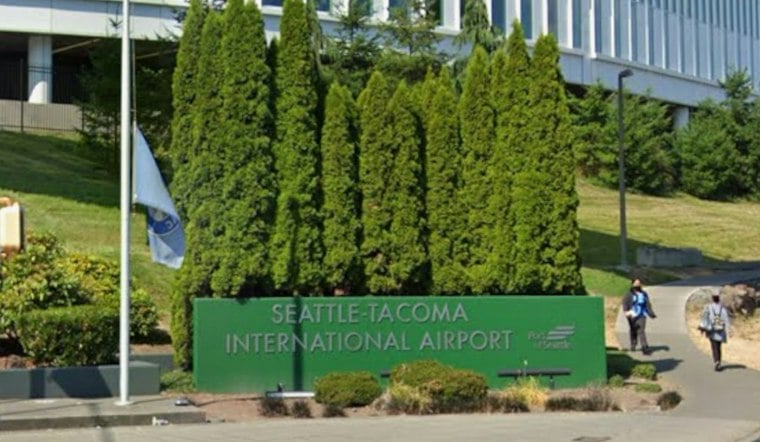
A traveler's complaint about a lengthy wheelchair-assistance wait at Seattle-Tacoma International Airport prompted a public response from the airport this week, one that put the blame squarely on Southwest Airlines rather than the facility itself. The exchange has drawn attention to a jurisdictional split that confuses many flyers: airports run the buildings, but airlines are the ones legally on the hook for getting passengers with disabilities where they need to go.
The complaint centered on a wait of roughly 45 minutes just to reach the Southwest Airlines desk at Sea-Tac, according to a post from the account of Seattle-Tacoma Intl. Airport. The traveler reportedly encountered a similarly long wait trying to get from that desk to the gate, and pointed to the rental car shuttle bus as part of the problem, saying it dropped wheelchair users miles from the Southwest counter. The airport's response, posted under its FlySEA account, apologized for the experience but noted that it does not manage or staff the airline desk directly, recommending the traveler take the feedback straight to Southwest.
Why the Airport Points to the Airline
The airport's deflection isn't just spin — it reflects the actual legal framework governing wheelchair assistance in U.S. air travel. Under Title 14 CFR Part 382 of the Air Carrier Access Act, commercial airlines are legally required to provide prompt wheelchair assistance to passengers with disabilities, a duty that extends from curbside drop-off through ticketing, security, gates, and baggage claim, according to the U.S. Department of Transportation. While the Port of Seattle owns and manages Sea-Tac's physical infrastructure, federal regulations assign full operational and legal responsibility for wheelchair assistance and ticket desk staffing to individual air carriers, the department notes.
Federal rules also set a hard ceiling on how long a passenger who is not independently mobile can be left waiting. Airlines and their ground contractors are barred from leaving such a passenger unattended in a wheelchair for more than 30 minutes at an airport, per the department's regulations. A 45-minute wait to simply reach the check-in desk, as described in the Sea-Tac complaint, would fall outside that federal benchmark if the traveler was left without assistance for that stretch of time.
Sea-Tac's Layout Complicates the Trip
Part of the friction traces back to how Sea-Tac is physically laid out. The airport's rental car facility operates off-site, requiring travelers to take a dedicated shuttle bus that drops off at the lower baggage claim level, forcing wheelchair users to cover significant distances to reach upper-level ticketing desks, according to the Port of Seattle. Southwest Airlines operates out of Concourse B at Sea-Tac, with gates B1 through B17, and its check-in desks sit in the main terminal hall near TSA Security Checkpoints 2 and 3, per the Port's own facility information — a route that can mean a long trek for anyone relying on a wheelchair after arriving via rental car shuttle.
Passengers who feel stuck in this kind of limbo do have an immediate option under federal law. The Air Carrier Access Act requires every airline operating at an airport to have a Complaint Resolution Official available in person or by phone during all operating hours specifically to handle disability-related service disputes on the spot, according to the Department of Transportation. That official is meant to be a real-time escalation point rather than something travelers only learn about after the fact.
A Pattern Federal Regulators Are Watching Closely
The Sea-Tac complaint lands amid heightened federal scrutiny of how airlines handle wheelchair passengers nationwide. In December 2024, the Department of Transportation finalized a rule titled Ensuring Safe Accommodations for Air Travelers With Disabilities Using Wheelchairs, which took effect in January 2025 and tightened training, handling, and prompt-assistance standards for airlines and their contractors, according to the Federal Register. That rulemaking followed a historic enforcement action: in October 2024, the department imposed a $50 million civil penalty against American Airlines over widespread disability violations, including repeated failures to provide prompt wheelchair assistance and passengers left stranded in terminals.
Federal data underscores why regulators have zeroed in on this issue. Inadequate wheelchair assistance consistently ranks as the single largest category of disability-related air travel complaints filed each year with both the department and individual airlines, according to the Federal Register. Against that backdrop, a single complaint about a 45-minute wait at one gate desk reads less like an isolated incident and more like a symptom of an industrywide strain.
Who Actually Staffs the Wheelchairs
Airlines typically lean on third-party ground service contractors to staff wheelchair assistance, and those workers' pay is itself a local regulatory matter. Under the City of SeaTac's Minimum Employment Standards Ordinance for Hospitality and Transportation Employees, contracted airport service workers — including wheelchair porters — are entitled to a mandatory local minimum wage of $20.74 per hour as of January 1, 2026, according to the City of SeaTac. Staffing levels and scheduling among these contracted workers remain a recurring flashpoint tied to complaints like the one leveled at Southwest.
The dispute also arrives as Sea-Tac works through broader growing pains, from a $546 million terminal overhaul to surging passenger volume that has strained the airport's physical capacity. Southwest itself has been the subject of separate passenger-rights scrutiny elsewhere on the West Coast, including a lawsuit over a gate confrontation at Portland International Airport. Whether this latest complaint prompts any formal response from Southwest or the Department of Transportation remains to be seen.





