

























































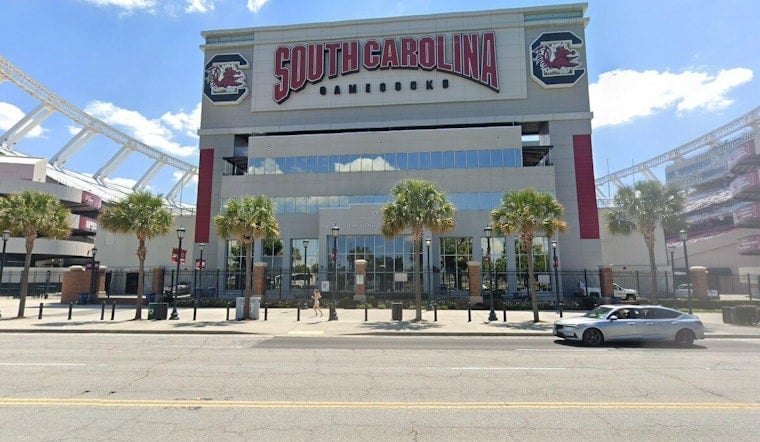
Long lines outside the women's restrooms at Williams-Brice Stadium have been a gameday complaint in Columbia for years, and now the University of South Carolina says it has actually done something about it. As part of a $350 million stadium renovation, the West Main Concourse now offers 2.5 more restroom fixtures per person, while the East Ground level has jumped to 7.5 times more restroom fixtures per female fan than before.
The South Carolina athletic department gave media members a tour of the changes on Wednesday, ahead of the Gamecocks' season opener against Kent State on Saturday at 12:45 p.m. ET, as reported by the Greenville News. Saturday's Kent State game is the season opener. A fan survey supported stadium upgrades, and the redesign also adds space between stalls and other bathroom areas, addressing a longstanding gripe, and intentionally uses one entrance and one exit to improve traffic flow.
A Bathroom Gap Backed by Research
A Bathroom Gap Backed by Research
The stadium construction announcement was part of the broader discussion at speaking-tour events. Donati took over as South Carolina's 31st athletic director in January 2025 after arriving from TCU, where he oversaw nearly $500 million in facility modernization projects, per 247Sports. He succeeded longtime AD Ray Tanner, who moved into an advisory role with the university president.
Grab-and-Go Marketplaces and Faster Concourses
Beyond restrooms, the East and West concourses are getting three new grab-and-go marketplaces, air-conditioned spaces stocked with hot dogs, pretzels, alcoholic and non-alcoholic beverages, and specialty menu items. Together they include 39 new self-checkout registers that identify the price of each item and eliminate the need to scan items one by one, cutting down on concession lines.
The renovation changes bathroom layouts and concourse circulation. The renovation is being organized in multiple phases, with the current work concentrated on the East Ground Level slab, Southwest Ramp and the Floyd Building, which previously housed coaches' offices beneath the north scoreboard, according to University of South Carolina Athletics. That demolition work began in December 2025, right after the 2025 football season wrapped up.
Sensory Rooms and Nursing Pods Debut
Williams-Brice Stadium has also debuted new sensory rooms this year, located on the East Ground Concourse near the northeast ramp and Gates 79-82. The rooms include sensory tools, bean bag chairs, bubble walls, adjustable lighting, calming visuals and comfortable seating, and are accessible to individuals of all ages and disabilities. The sensory-room idea is among the stadium's additions.
The additions follow the stadium's first KultureCity Sensory Inclusive certification, earned in August 2025 after the athletic department trained staff and stocked sensory bags with noise-canceling headphones for fans with autism, PTSD or sensory processing needs, according to WLTX. South Carolina also added nursing pods last year, and the stadium now includes its first nursing room on the East Ground Concourse, with another planned for the west side in 2027.
What's Still to Come
Phase 2 plans include a planned indoor club space under the North stands, according to the Post and Courier. The plans also include changes to the Cockpit concourse. Additional stadium work is planned over multiple years, and some work will continue throughout the 2026 season.
The Phase 2 blueprint, approved by the South Carolina Board of Trustees on May 22, 2025, includes planned premium-space changes, according to the Post and Courier. Fans attending games this season should check the latest ticketing information before arriving.
The renovation's roots trace back to a July 2024 survey conducted for Gamecock Athletics by Elevate, which found 94% of responding fans supported stadium upgrades. Architectural partner Populous had also reported that Williams-Brice Stadium ranked last among SEC peers in suite count and percentage of premium seating, a comparison that heavily influenced university leadership as they pushed the $350 million project through state approval from the Legislature's Joint Bond Review Committee and State Fiscal Accountability Authority last August.





