

























































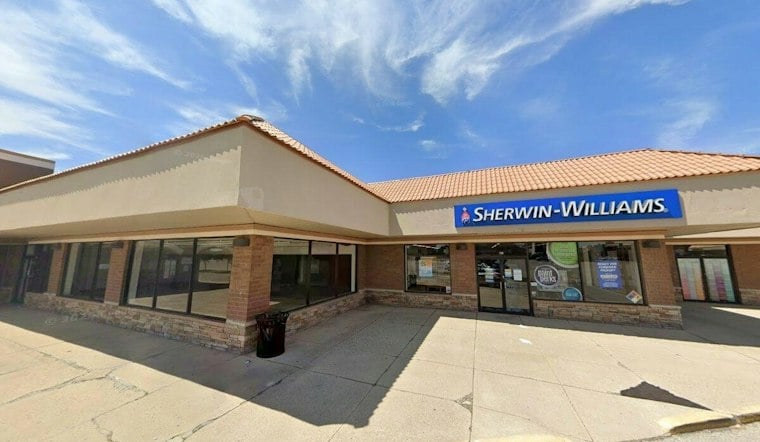
Xenia is getting $1 million in state money to help turn its aging Towne Square strip mall into a walkable downtown district with nearly 300 new homes. Governor Mike DeWine, Lieutenant Governor Jim Tressel and Lydia Mihalik jointly announced the grant, along with related development funding, on September 11, according to the Springfield News-Sun.
The award comes through Ohio's Residential Economic Development District program, which the state created to help communities expand housing opportunities near major job-creating projects, as reported by the Springfield News-Sun. Xenia's $1 million share was part of $14 million in second-round REDD grants distributed across 10 Ohio counties, as reported by the Ohio Governor's Office and according to Governor DeWine's announcement covered by NEOtrans, which noted Cleveland received $2 million for 200 housing units in the same round.
The Xenia Market District itself is described as a $140 million project aimed at creating a walkable hub of residential, retail and restaurant development with outdoor entertainment space, as noted by the Springfield News-Sun. City officials plan to put the new grant funds toward public street preparation, infrastructure, incentive agreements and pro-housing planning. Altogether, the district includes more than $11 million in public infrastructure improvements downtown.
From Tornado Rubble to Car-Centric Strip Mall
The site being redeveloped has a long and painful history. Xenia Towne Square was shaped by a 1970s urban-renewal process, according to developer Dillin LLC. That rebuild replaced Xenia's historic walkable street grid with a car-centric suburban shopping center, a design choice the city is now working to undo decades later.
The City of Xenia acquired the remainder of Xenia Towne Square in 2020, then selected Springboro-based developer Dillin LLC to lead the turnaround, with site renovations beginning in 2023 through a $3 million refurbishment of a 35,000-square-foot commercial building along King Street, the developer's account states. The redevelopment plan includes more than $11 million in public infrastructure to restore walkable blocks and open space.
New Streets, a Promenade, and Townhomes
The infrastructure plan calls for a new North Galloway Street between Main and Church streets, a grand entrance boulevard on King Street, and an extension of Market Street from Church Street to King Street, as the Springfield News-Sun reported. It also includes a promenade and gathering space. By spring, that work was already visible on the ground: infrastructure construction on the Market District site was actively underway, with cranes removing old concrete and construction equipment at work, as reported by WHIO TV.
Once complete, the Market District is expected to include a hospitality venue, retail and food operations, and townhomes available for purchase and lease, with 296 housing units expected in total. Tressel, in the state's announcement, framed the funding as foundational rather than cosmetic. “New businesses can bring tremendous opportunities, but communities need the right foundation to make the most of them,” he said. He added that targeted investments will support the housing and infrastructure needed by the workforce.
Why State Money Follows Regional Job Growth
Ohio's REDD program comes with strings attached: applicant municipalities must sit within 20 miles of a major economic development project, according to minutes from a January 8 Xenia City Council meeting. Xenia's application leaned on some of the region's biggest recent employment wins to clear that bar.
Regional projects include Gabriel Brothers Inc.'s $77.5 million distribution center in Springfield, which is expected to create more than 800 jobs, and Amazon Web Services' $5 billion investment in Fayette County near Jeffersonville. The Gabriel Brothers facility, located in nearby Clark County, currently employs just over 200 workers. The Air Force Life Cycle Management Center was also cited in the council minutes.
Ohio's REDD program is the statewide funding source for these grants. That pool is what funneled the $1 million into Xenia's project alongside awards to Cleveland and eight other counties.
For context on the community absorbing this growth, how the Market District's mix of townhomes for purchase and lease will align with local income levels, and how existing retail tenants will be folded in as construction continues, remain open questions as the project moves forward.





