

























































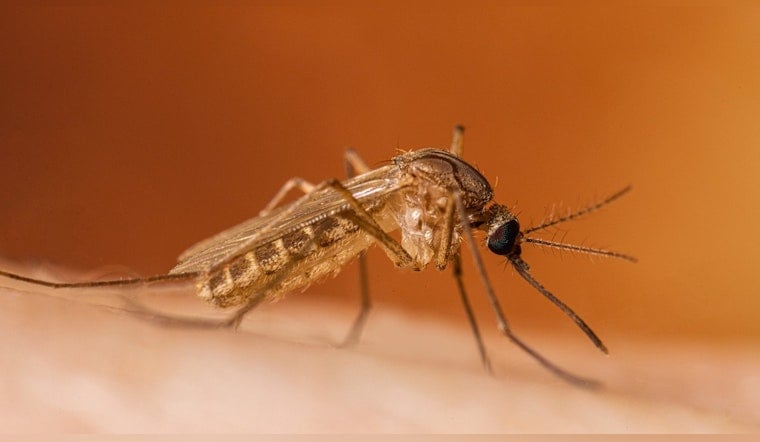
Yolo County has confirmed its first West Nile virus death of 2026, health officials announced, as mosquito activity remains elevated across the region during the peak late-summer transmission window. The resident who died had contracted neuroinvasive West Nile virus, the most severe form of the disease, though officials have not disclosed where the person lived or where they were likely exposed to the virus.
A Yolo County Public Health spokesperson announced the death, according to CBS Sacramento. Beyond the fatality, the county has confirmed two additional neuroinvasive West Nile virus cases among residents so far this year — a notable jump from 2025, when the county recorded just one neuroinvasive case for the entire season, per the same report.
Gary Goodman said West Nile virus activity remains elevated throughout the region, noting that mosquito populations and virus activity typically stay high this time of year, the outlet reported. California overall has seen increased mosquito activity this season, and county officials are urging residents to take precautions as the threat persists into fall.
What Makes This Strain of the Virus So Dangerous
Neuroinvasive West Nile virus represents the most severe form of the illness, and the resulting neurological damage can be fatal or require hospitalization, according to the CBS Sacramento report. Most people infected with West Nile virus experience no symptoms or only mild illness, but the virus can still cause fever, headache, body aches, and nausea or vomiting in those who do get sick.
Older adults, people with weakened immune systems, and those with certain underlying medical conditions face a greater risk of developing severe illness from the virus, per the same account. That mirrors warnings issued statewide: UC Berkeley research shows that while roughly 80% of infections cause no symptoms and 20% produce mild flu-like illness, about 1 in 150 infected people develop severe neuroinvasive disease — and roughly 10% of those cases prove fatal. There are currently no human vaccines or specific antiviral treatments available for the virus.
A Statewide Surge Reaching a Five-Year High
Yolo County's fatality follows a broader pattern playing out across California this season. The California Department of Public Health reported in August that statewide West Nile virus activity had reached a five-year high, with 30 human cases and three fatalities recorded by mid-August. By late August, state data showed the case count had climbed to 46, with 40 of those cases — 87% — involving severe neuroinvasive disease and a median patient age of 63, more than triple the 14 cases logged during the same period in 2025.
California's first two confirmed West Nile deaths of the 2026 season occurred in early August in Kings County and southern Glenn County, according to the County of Glenn. Since the virus was first detected in California in 2003, the state has recorded more than 8,000 human infections and over 400 deaths, according to the Sacramento-Yolo Mosquito and Vector Control District, which considers the virus endemic across the state.
Woodland and Nearby Farmland Emerge as Local Hotspots
Yolo County's first human case of 2026 was confirmed on August 11, when a Woodland resident was hospitalized with the infection, as Hoodline previously reported. That case followed a spike in environmental detections: on August 7, the Sacramento-Yolo Mosquito and Vector Control District found 20 West Nile virus-positive mosquito samples in a single day, concentrated in Woodland, Zamora, Dunnigan, and surrounding agricultural areas, with hot weather and agricultural mosquito sources accelerating local transmission.
The district, established in 1946, monitors mosquito activity across more than 1,800 square miles and deploys ground fogging and aerial treatments when transmission escalates, according to Defender Termite & Pest Management. Livestock have also been affected regionally: the California Department of Food and Agriculture confirmed the state's first equine West Nile case of 2026 in June in San Luis Obispo County, following a 2025 season in which Yolo County recorded two horse infections, including one fatal case in a 1-year-old colt.
How Yolo County Residents Can Protect Themselves
County and mosquito district officials recommend limiting outdoor activity around dawn and dusk, when mosquitoes are most active. Residents are urged to use insect repellent when outdoors, keep doors and window screens in good condition to help keep mosquitoes outside, and eliminate standing water around their homes where mosquitoes breed.
Yolo County Health Officer Dr. Joanna Locke, who took office on August 24, urged elevated caution following the fatality, warning that older adults, immunocompromised individuals, and people with underlying health conditions face the highest risk of severe illness, according to Yolo County. With peak transmission months typically extending through September, health officials say continued vigilance around standing water and mosquito exposure remains essential for the rest of the season.





