

























































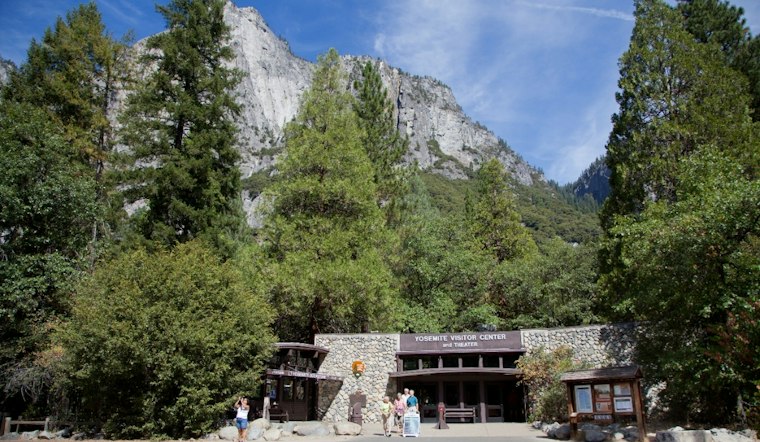
Yosemite National Park is about to get its annual scrub-down. The Yosemite Facelift, a multi-day volunteer cleanup that has hauled more than 1 million pounds of trash out of the park over two decades, runs from September 23 through September 27, 2026, with organizers bracing for a heavier-than-usual haul after a summer that included near-record June visitation and mounting roadside litter.
The event, presented by the Yosemite Climbing Association and headquartered at the Yosemite Village Mall near the Yosemite Exploration Center, invites volunteers to fan out across the park and pick up litter for as much or as little time as they choose, according to NBC Los Angeles. Each day, volunteers haul their collected bags back to the Village Mall, where the Facelift team weighs, sorts, and records everything before the evening winds down with music and storytelling programs open to participants.
Timing Follows a Season of Unusual Congestion
This year's cleanup lands at the tail end of what has been an especially crowded season for Yosemite. The park logged 634,508 visits in June 2026, below June 2016's 728,938 visitors, after officials removed the vehicle reservation entry system that had capped daily arrivals in recent years, according to SFGATE. That figure marked a roughly 20% jump over the June average from 2010 through 2024, and Facelift founder Ken Yager told the outlet the surge produced a visible increase in roadside litter across the park.
The Facelift itself takes place after the summer season, timed to address the litter that piles up during Yosemite's busiest months. The broader visitation numbers back up the strain: the park welcomed 4.28 million recreation visitors in 2025, a 3.9% increase over 2024 that made it the fifth most visited national park in the country, per the same report from Camper Champ. That puts 2025 attendance near the pre-pandemic peak of 4.4 million visitors recorded in 2019.
Parking Crunch Adds to Visitor Pressure
Without a reservation system to spread out arrivals, Yosemite Valley's parking lots have been filling to capacity before 7:30 a.m. on summer weekends in 2026, according to Boondock or Bust, which also reported warnings about possible citations and towing for illegal roadside parking. Park management has leaned on real-time traffic alerts and stepped-up enforcement rather than advance timed entry to manage the crowds this year.
Anyone joining this year's Facelift, or simply visiting during the event, should also account for a new international fee structure. As of January 1, 2026, the National Park Service began charging non-U.S. residents age 16 and older an extra $100 per person on top of Yosemite's standard $35 vehicle entry fee, according to the National Park Service. Volunteers hoping to sign up should also note that online registration for this year's Facelift is closed; visitors already in Yosemite Valley can still register in person at the Village Mall, though everyone attending still needs to pay the standard entrance fee at the gate.
From a Climber's Frustration to a Zero-Landfill Operation
The Facelift traces back to 2004, when Yosemite Climbing Association founder Ken Yager, then working as a climbing guide, grew frustrated with the litter piling up along the trails he worked. His first cleanup drew more than 160 volunteers each day who hauled out approximately 40 pickup truck loads of trash over three days, according to Gripped. What began as a climber-led side project has since grown into one of the largest volunteer public-land stewardship cleanups in the country, with the Yosemite Climbing Association reporting the event has now removed more than 1 million pounds of garbage from the park over its 20-plus year history.
Last year's event alone drew more than 1,400 volunteers, per the Yosemite Climbing Association. The cleanup has also become a model for sustainable waste handling: at the 20th annual Facelift in 2023, organizers hit a 91.12% trash diversion rate, making it the first Zero Landfill event in Yosemite's history through a partnership with the Yosemite Conservancy and Yosemite Hospitality that allowed over 90% of collected material to be recycled or repurposed rather than dumped.
What's in the Trash
Plastic fragments and single-use items are among the litter found during the cleanup.
Beyond the annual cleanup, the Yosemite Climbing Association remains focused on public-lands advocacy, according to Adventure Sports Journal. That work has kept the Facelift running as both a cleanup and a community gathering for two decades.





