

























































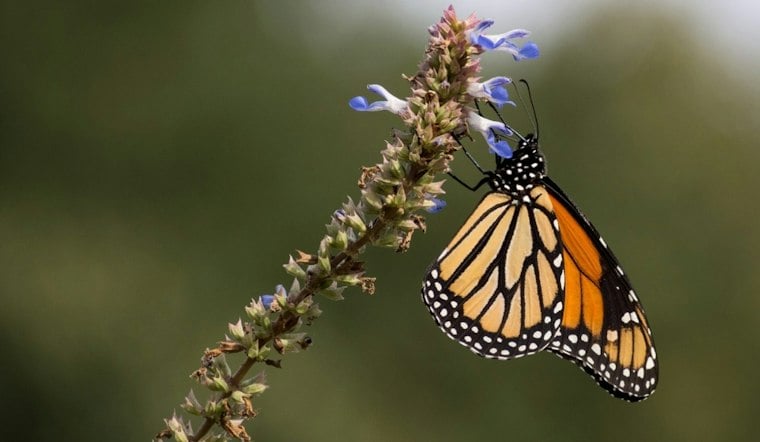
A 33-acre farm in Yukon is throwing open its gates Saturday, Sept. 26, for a free morning built entirely around one small, orange-and-black traveler: the monarch butterfly. From 9 a.m. to noon, Mollie Spencer Farm will host its annual Monarch Festival, mixing butterfly-themed crafts, self-guided tours and hands-on science for families right as the fall migration reaches its peak across the state.
The event, as reported by The Journal Record, includes interactive learning booths, a seed-ball making station where visitors can build a wildflower mix to take home, and presentations from local experts Peggy Turner and Patti Ingram on the monarch life cycle and how to plant a pollinator garden. Emma Newberry-Davis said the festival has become a signature way for families to experience the migration together and celebrate the season, according to the same report. It is designed for visitors of all ages and centers on hands-on activities and outdoor experiences tied to the fall monarch migration.
A Farm Rooted in Yukon's Founding Family
Mollie Spencer Farm carries more local history than most event venues in the metro. The land was purchased in 1894 by Mollie Spencer, whose husband L.M. Spencer and brother-in-law A.N. Spencer co-founded the town of Yukon in 1891, according to Mollie Spencer Farm. The property went through several names over the decades, known at different points as the Spencer Homestead and later the Kirkpatrick Family Farm, before eventually being renamed for Mollie Spencer herself.
Great-great-grandson Christian Keesee donated the farm to the Kirkpatrick Family Fund at the Oklahoma City Community Foundation in 2016, converting one of the state's oldest continuously family-owned real estate tracts into a nonprofit educational and community site, per ARTDESK. Today the farm is operated by the Kirkpatrick Family Fund for the benefit of Yukon and surrounding communities, with a mission that spans education, regional history, animal well-being and community pride. Public access is limited to scheduled events and activities like Saturday's festival.
The property also sits along the historic 19th-century Chisholm Trail cattle route and runs active honeybee hives and livestock programs alongside its public festivals, according to ARTDESK. Those agricultural operations feed directly into the farm's broader educational mission built around animals, history and community.
Why Late September Matters for Monarchs
The timing of the festival is not incidental. Oklahoma sits at the center of the Central Flyway, an essential refueling corridor for eastern monarchs traveling up to 3,000 miles between Canada, the northern United States and central Mexico, and peak fall migration across central Oklahoma runs from late September through early October, per Oklahoma Magazine. The butterflies passing through this week belong to what scientists call a super generation, entering reproductive diapause and living eight to nine months so a single monarch can complete the entire journey south, as opposed to summer generations that live just two to six weeks and reproduce multiple times, according to Public Radio Tulsa.
Regional entomological research also points to a late-summer premigration wave of monarchs that enters Oklahoma in August to lay eggs, producing a fifth generation that emerges in September to join the primary southward push, according to Okies for Monarchs. Late-summer rains trigger fresh growth in Oklahoma milkweed species, giving that late-season generation the habitat it needs before departure.
A Fragile Recovery Still Awaiting Federal Action
The backdrop to Saturday's festival is a species still working to recover. Overwintering eastern monarch populations in central Mexico grew 64% during the 2025-2026 winter season, expanding to occupy 7.24 acres of forest, up from 4.42 acres the year before, per the World Wildlife Fund. Even so, scientists note that figure remains far below 1990s levels, when monarchs occupied nearly 45 acres of winter forest.
That fragility is why the U.S. Fish and Wildlife Service proposed listing the monarch as a threatened species under the Endangered Species Act in December 2024. The proposed rule includes special exemptions meant to encourage voluntary habitat creation on private agricultural lands.
How Local Gardeners Can Help
Okies for Monarchs is a statewide campaign focused on monarch conservation. The seed-ball station at Mollie Spencer Farm offers a hands-on way to support monarch habitat. Milkweed is the exclusive host plant for monarch caterpillars, while late-blooming nectar plants like goldenrod and asters supply the sugar reserves adult butterflies need to keep flying.
Registration and additional details for the Sept. 26 festival are available at molliespencerfarm.org/events.





