

























































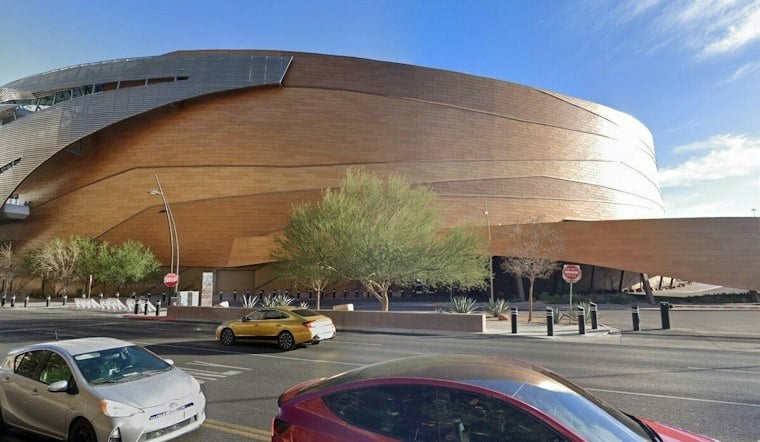
The Athletics’ $1.75 billion south Strip ballpark is planned to open in 2028 with paperless tickets and grab-and-go markets instead of traditional concession stands. The team has described the direction of its technology plan, but key details—including how the markets will process purchases—remain unannounced.
At the annual Vegas Tech Summit on October 22, Athletics senior vice president of technology Vik Bodalia described a plan to connect ticketing, events and the guest experience. In remarks covered by the Las Vegas Review-Journal, he said, “We are designing not to have any traditional concession stands,” describing a possible grab-and-go market approach for hot and cold items.
The team has not announced vendors or explained how those markets would work. Bodalia also described plans for premium hospitality areas, while saying the ballpark’s technology is intended to link ticketing, events and other parts of a visit.
Infrastructure and Connectivity
Bodalia previously helped open T-Mobile Arena and Allegiant Stadium before joining the Athletics in October 2025. He recalled that when T-Mobile Arena opened in 2015, “technology did not have a seat at the table,” a lesson he said is informing the ballpark’s planning.
The Athletics have signed a deal for the stadium’s distributed antenna system, the Review-Journal reported in a separate piece. The ballpark’s technology planning also includes connectivity. That focus follows connectivity work at other Las Vegas venues, including T-Mobile Arena’s addition of nearly 200 Wi-Fi access points in 2018, according to Mobile Sports Report.
A Venue Beyond Baseball
Bodalia described the venue as a place for concerts, conferences and baseball games.
That multi-use ambition has already drawn outside interest. The Las Vegas Convention and Visitors Authority is fielding questions from event organizers around the world about hosting programming at the ballpark, according to Sports Business Journal. The same outlet noted that the National Finals Rodeo has stayed put at Thomas & Mack Center in part because that 43-year-old facility has two tunnel bays, a detail underscoring the logistical considerations any venue bidding for major events has to clear.
Selling Players on Vegas, Not Just Fans
Bodalia has framed the guest experience as part of the broader appeal of a Las Vegas visit, which may last a weekend or longer. His stated aim is to offer an entertainment experience built around the atmosphere and spectacle of an event, not just its result.
The ballpark is also part of the Athletics’ pitch to prospective players. President of baseball operations Taylor Smith has cited the venue, the opportunity to live in Las Vegas year-round and the city’s golf scene as potential draws for free agents or players seeking a trade, according to the Review-Journal.
The concession vendors, the markets’ checkout process and a finalized event calendar have not been announced. A checkout-free market at Mercedes-Benz Stadium offers one example of how such a system can work, but the Athletics have not said whether their ballpark will use a similar setup. Mercedes-Benz Stadium describes its system at its website.
What’s Known—and What’s Still Open
Mortenson’s project page lists the Las Vegas Athletics Ballpark at 33,000 capacity, but that published figure does not resolve the separate 30,000-seat figure reported elsewhere. The article’s planned 2028 opening remains the stated target; the available project details do not settle every specification. See Mortenson’s project page. The Athletics have not announced whether their markets will use checkout-free tracking. By comparison, Mercedes-Benz Stadium says its markets track the items customers take and charge their card automatically. On connectivity, Allegiant Stadium’s visitor information describes free, high-density Wi-Fi. That offers a local point of comparison, but does not establish the Athletics ballpark’s network specifications.





